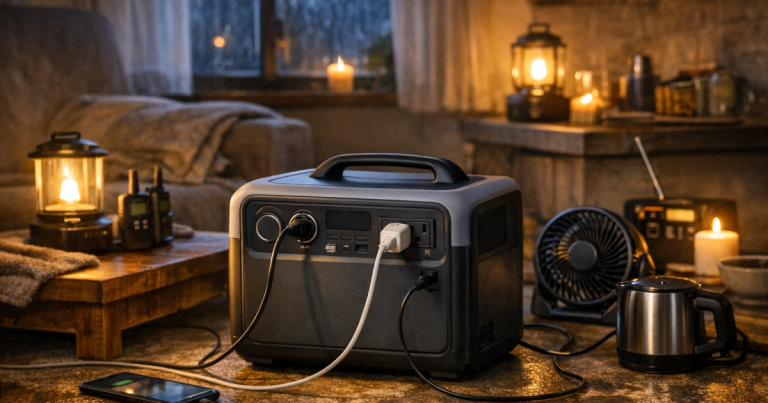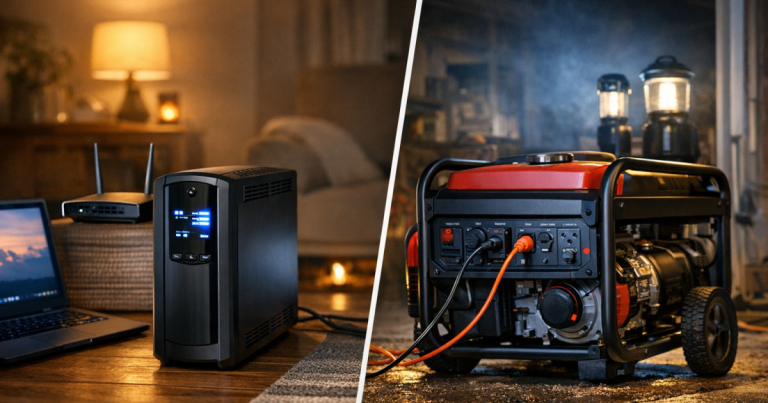
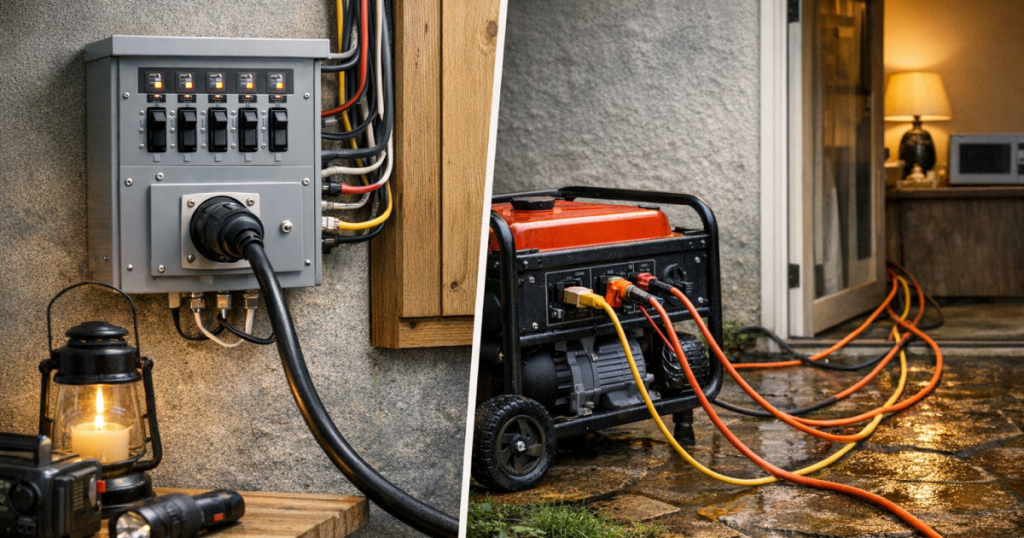
A portable generator is much easier to live with when it feeds the circuits you actually need instead of a tangle of extension cords through the house. This Reliance Controls Pro/Tran 2 306CRK Six-Circuit Transfer Switch Kit review looks at a 30A manual transfer switch kit built for that job: connecting selected home circuits to a compatible portable generator or backup source through a proper inlet and cord setup. My quick take: it is a sensible essential-load kit for homeowners who are planning deliberately, not trying to fake whole-home backup on the cheap.
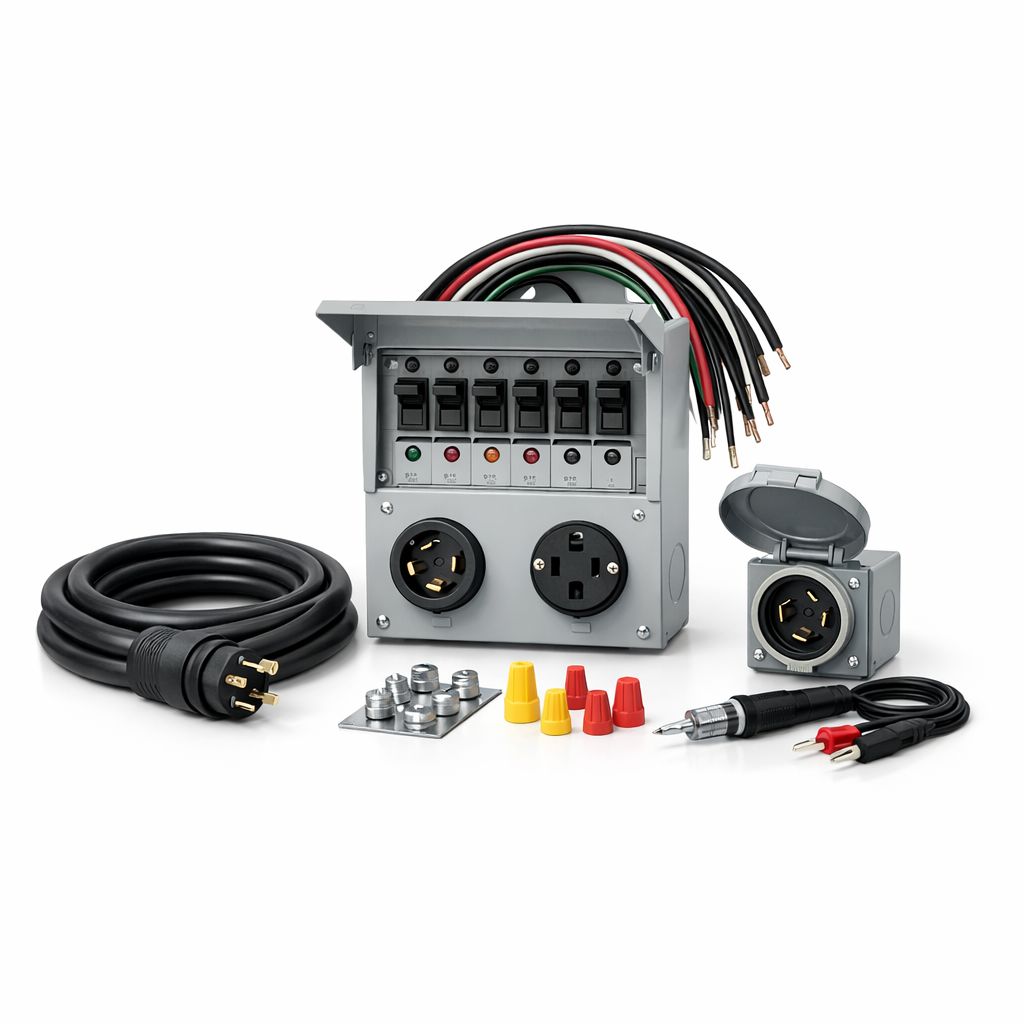
Reliance Controls Pro/Tran 2 306CRK Six-Circuit Transfer Switch Kit
Best for homeowners who want a cleaner, planned generator connection for a small set of priority circuits
The reviewed product is the Reliance Controls Pro/Tran 2 306CRK Six-Circuit Transfer Switch Kit. It is not a generator, battery, or automatic standby system. It is the hardware bundle that lets selected circuits in an existing load center be transferred manually to a compatible 30A 125/250V L14-30 backup source.
Panel wiring, inlet wiring, circuit selection, and generator connection planning should be carried out by a qualified electrician to comply with local electrical requirements, the National Electrical Code, and the manufacturer’s installation instructions.
Product Details
- Official kit model: 306CRK Six-Circuit Kit.
- Included transfer switch: 306C Back-Up Power / Transfer Switch, metal powder-coated steel, L14-30, 30A, six circuit.
- Included inlet: PB30 Outdoor Power Inlet Box, metal powder-coated steel, L14-30, 30A, NEMA 3R rated.
- Included cord: PC3010 10-Foot Outdoor Power Cord with molded, LED-lighted female connector, L14-30, 30A, 10-gauge conductors, 10/3 with ground SJTW.
- Shipping size and weight: 18 x 19 x 6 in and 18.8 lb.
- Safety listing: cULus Listed; the Pro/Tran 2 series is UL Listed to Standard 1008 and suitable for use in accordance with Article 702 of the National Electrical Code ANSI/NFPA 70.
- Factory wiring: Completely pre-wired for installation on the load side of the electrical panel.
- Circuit limits: A and B circuits are rated up to 30A; the remaining circuits are rated up to 20A.
- Meters: The 306CRK specification table marks watt meters as included.
The real appeal: fewer cords, better circuit discipline
The main reason to consider the Reliance Controls Pro/Tran 2 306CRK Six-Circuit Transfer Switch Kit is not glamour. It is control. During an outage, most households do not need every circuit energized. They need the refrigerator, selected lights, a furnace blower or other priority load where applicable, networking gear, and a few carefully chosen outlets. Six circuits force that conversation early, which is useful.
That six-circuit layout is best understood as an essential-load plan. It is not a back door to whole-home backup, central air conditioning, or large all-electric loads without a proper load calculation. If your blackout plan starts with “just power everything,” this kit will feel restrictive. If your plan starts with “keep the house safe, food cold, and daily routines workable,” it fits the assignment much better.
The kit’s L14-30, 30A format also narrows the job. It belongs with a compatible portable generator or backup source that can support the connection and the selected load plan. For a deeper look at why this kind of connection is different from running appliances on extension cords, see our guide to generator cords, inlets, and transfer switches.
What the kit includes changes the buying decision
A manual transfer switch project usually needs more than the switch box. The 306CRK bundle combines the 306C transfer switch, the PB30 outdoor inlet box, and the PC3010 10-foot outdoor power cord. That bundled approach is one of the stronger practical points here because it keeps the main connection pieces aligned around the same 30A L14-30 setup.
The PB30 inlet box is the outdoor-rated component in the kit, with a NEMA 3R rating. That distinction is important: the inlet is intended for outdoor placement within the installed system, but the entire transfer switch assembly should not be treated as an outdoor or raintight device just because the kit includes an outdoor inlet. The transfer switch itself belongs in the electrical installation where its ratings and instructions allow.
The included PC3010 cord is also a meaningful part of the package. Its 10-foot length affects generator placement, and generator placement affects both usability and safety. A generator must run outdoors, away from living spaces and openings where exhaust could enter the home. A 10-foot cord can be convenient when the inlet and safe generator position line up, but it is not a magic wand for a poor inlet location. This is where the electrician’s planning work pays off long before the first storm warning.
Installation is simplified, not eliminated
Reliance Controls describes the Pro/Tran 2 transfer switches as completely pre-wired for installation on the load side of the electrical panel. That is helpful, but it does not make this a casual weekend project for an untrained homeowner. “Pre-wired” means the kit is prepared to reduce field assembly friction; it does not remove the need for hardwired integration with the home’s load center, branch circuits, inlet wiring, and code-compliant installation.
The kit uses UL Listed 1-inch interchangeable circuit breakers, including popular AFCI and GFCI breaker types, and it is field reconfigurable for multiple double-pole circuits. In plain English, the design gives the installer some flexibility around circuit planning. The homeowner’s job is to be clear about priorities: which circuits keep the household functional during a blackout, which loads can wait, and which loads are too large or too complex for this kind of six-circuit setup.
That planning should include load management. The watt meters are useful because they help the household see generator loading across the transfer switch, but meters do not create more generator output. If several selected circuits are energized at once, someone still has to make practical choices. The fridge, a few lights, and the furnace blower may be a reasonable plan with the right generator and installation; adding every comfort load at once is where small backup systems start complaining, sometimes expensively.
Where the six-circuit limit helps and where it bites
Six circuits can be either the right amount of discipline or the first sign you need a bigger plan. For a modest home with a focused outage strategy, the Reliance Controls Pro/Tran 2 306CRK Six-Circuit Transfer Switch Kit keeps the project contained. You choose the circuits that protect food, basic lighting, heat system support where applicable, communications, and a few useful receptacles. That is a realistic blackout plan for many households.
The limit becomes tighter in larger homes, homes with more electric-only systems, or households trying to support multiple high-priority zones. A freezer in the garage, medical equipment, a sump pump, well equipment, networking gear, and heating support can fill a six-circuit plan quickly. The A and B positions support up to 30A, while the other positions are capped at 20A, so circuit assignment is not just about count; it is also about amperage and load behavior.
If six circuits will not cover the actual outage plan, a larger transfer setup such as a 310CRK-class option or another properly specified transfer solution is the more honest path. Oversizing the expectations around a smaller kit is a classic preparedness mistake: it looks cheaper on paper and gets annoying exactly when the weather is worst.
Safety boundaries are part of the product’s value
The Reliance Controls Pro/Tran 2 306CRK Six-Circuit Transfer Switch Kit earns much of its appeal by steering the setup toward a more orderly generator connection. A manual transfer switch separates selected house circuits from normal utility feed during generator use, when installed and operated according to its design. That is a far different mindset from improvising with cords, overloaded power strips, or unsafe backfeeding.
The safety listing helps here. The cULus listing and UL Standard 1008 alignment place the Pro/Tran 2 series in a recognized transfer-equipment category for optional standby use under Article 702. That does not make every installation automatically acceptable in every local situation, but it does mean the product is built for the kind of role it is being asked to play.
Households should also think beyond the switch. Generator exhaust, refueling practices, weather exposure, cord routing, inlet placement, and load sequencing all shape whether the backup plan is calm or chaotic. Our home backup power safety basics guide is a useful companion before committing to any portable-generator setup.
A good fit for prepared homeowners, not renters by default
This kit makes the most sense for homeowners who can modify the electrical system and want a fixed, repeatable way to power a small set of priority circuits. It is less natural for renters, apartments, or temporary living situations because it requires property approval, hardwired installation, and an appropriate place for the inlet and generator operation.
It also makes more sense for people who like making a plan once and then following it under pressure. During an outage, the benefit of a transfer switch is that the decision work has already been done. The circuits are chosen. The cord has a destination. The generator has a role. Nobody is wandering around the dark debating which orange extension cord gets custody of the refrigerator.
The trade-off is commitment. Once those six circuits are chosen and wired, the system reflects that plan. Changes later are an electrician-level project, not a five-minute rearrangement. That is not a flaw, but it is a reason to think carefully about daily outage needs before installation.
Verdict
Score: 8.6/10. The Reliance Controls Pro/Tran 2 306CRK Six-Circuit Transfer Switch Kit is a strong, sensible choice for homeowners who want a structured way to feed essential circuits from a compatible 30A L14-30 portable generator or backup source. The score is driven by three things: the useful bundled hardware, the practical six-circuit essential-load format, and the safety-oriented transfer-switch role backed by the documented listing.
Its limitations are clear. It is not automatic backup, not a generator, not a whole-home solution, and not a renter-friendly purchase without property approval and code-compliant installation. It also demands thoughtful circuit selection because six circuits can disappear quickly in a modern home. For the right household, though, that discipline is the point. This kit turns generator backup from a cord-management problem into a repeatable outage routine.
Reliance Controls Pro/Tran 2 306CRK Six-Circuit Transfer Switch Kit
Best for homeowners who want a cleaner, planned generator connection for a small set of priority circuits
You might also like: Portable Power Station vs Generator vs UPS for Blackouts.