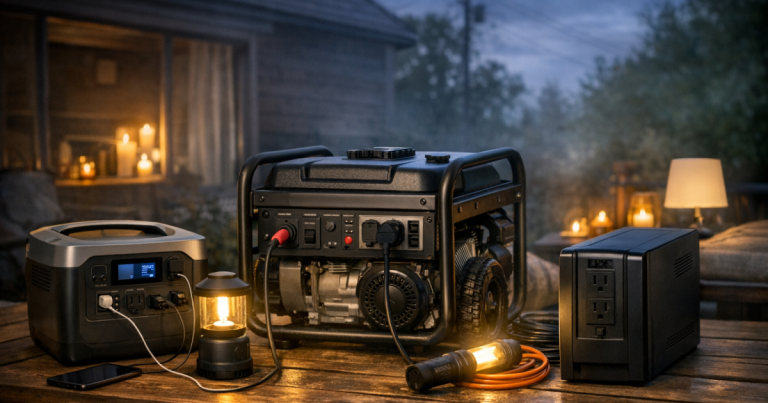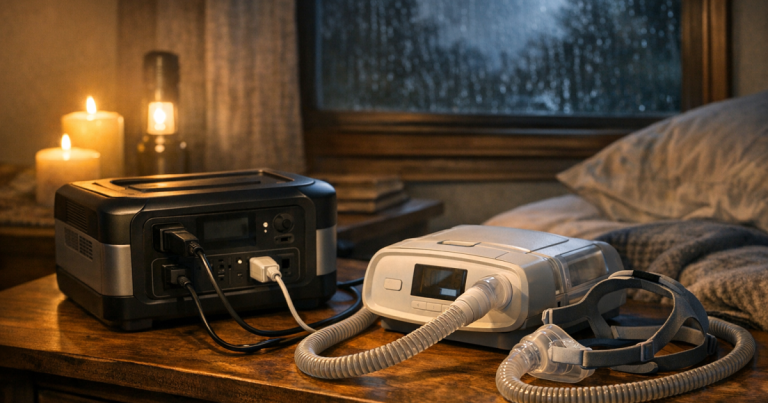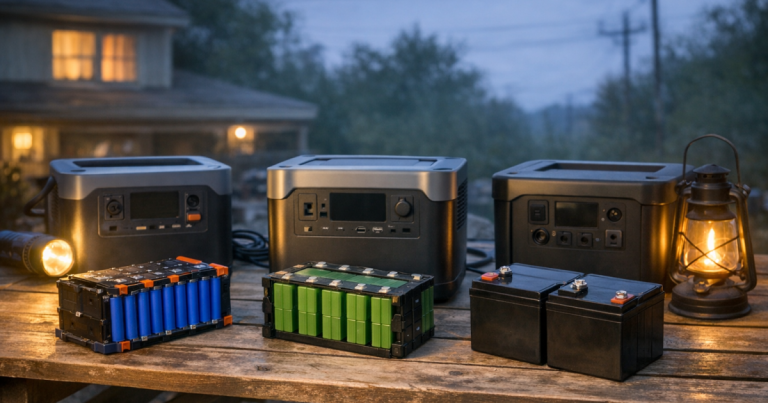
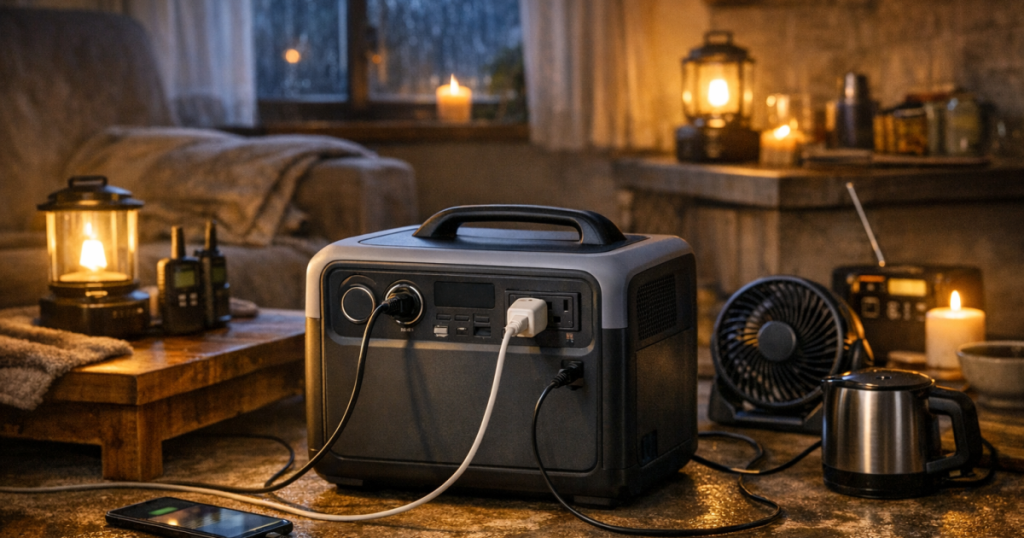
A small power station earns its place during an outage only if it can handle the loads you actually care about. This BLUETTI Elite 100 V2 Portable Power Station review focuses on that practical question: phones, a router, a laptop, a CPAP-class load, lights, and possibly short refrigerator support without pretending this is a whole-house system.
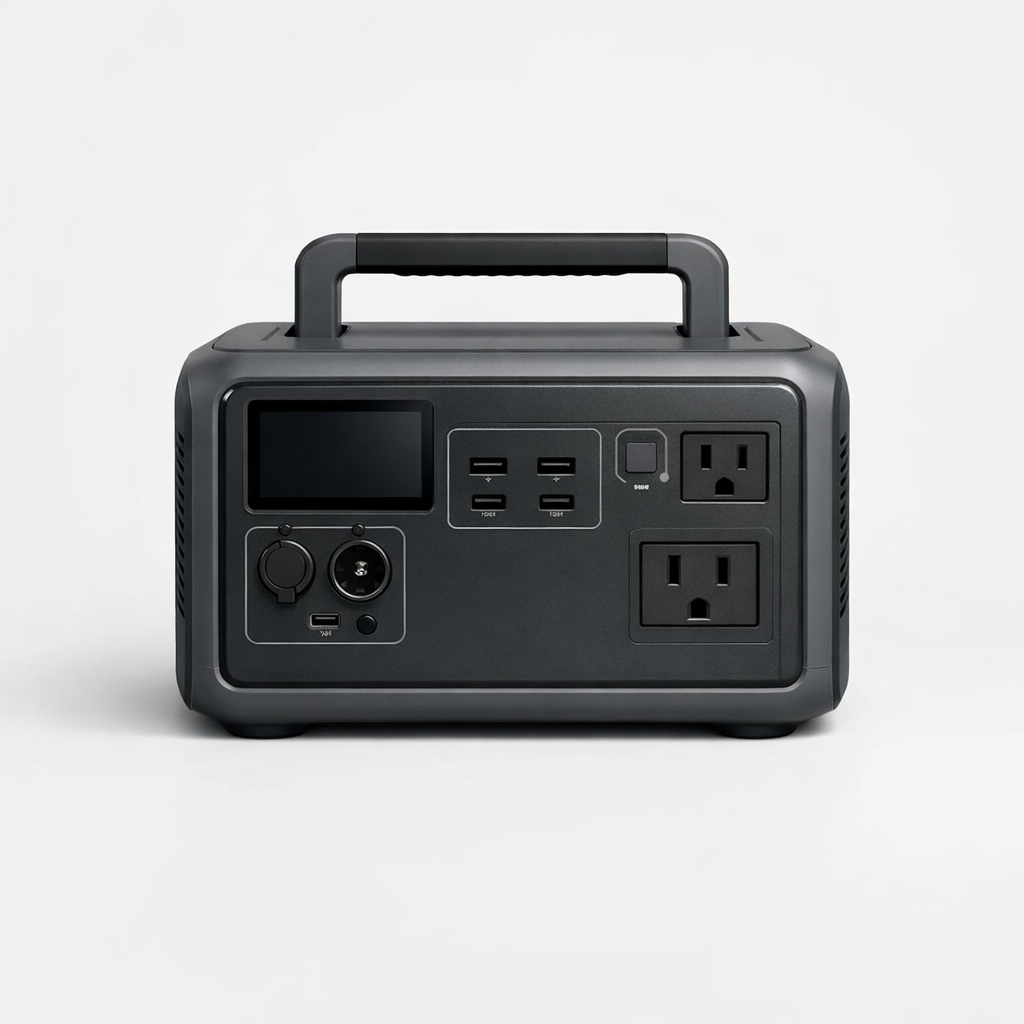
BLUETTI Elite 100 V2 Portable Power Station
Best suited to essentials-first outage plans where compact size, fast recharging and solar input outweigh whole-home ambitions
My take: the BLUETTI Elite 100 V2 Portable Power Station is a strong compact essentials-backup option because it combines a 1,024Wh LiFePO4 battery, 1,800W max AC output, fast wall charging, and unusually high solar input for its size. The trade-off is simple and important: it is still a 120V, 15A portable station, not a substitute for a hardwired standby generator or a 240V home-backup setup.
Any connection between backup power and household wiring, including transfer switch or interlock work, should be carried out by a qualified electrician to comply with local electrical code and safety requirements. This unit’s own AC output should not be connected to the grid.
Product Details
- Reviewed product: BLUETTI Elite 100 V2 Portable Power Station
- Product type: standalone portable power station for AC/DC power, solar or wall recharging, and limited home outage backup
- Battery capacity: 1,024Wh
- Battery type: LiFePO4
- AC output: 1,800W max, 120V, 15A max, 50Hz/60Hz
- Power Lifting mode: up to 2,700W for pure resistive loads; disabled by default
- Solar input: 1,000W max, 12V-60V, 20A max
- AC charging: 1,200W max; listed at 80% in 45 minutes at 77°F
- UPS switchover: 10 ms or less
- Ports: 1 cigarette lighter port, 2 DC5521 ports, 2 USB-A ports, 1 140W USB-C port, and 1 100W USB-C port
- Connectivity: WiFi and Bluetooth with BLUETTI app support
- Size and weight: about 25.3 lb; 12.6 x 8.5 x 9.8 in
- Temperature range: charging from 32°F to 104°F; discharging from -4°F to 104°F
- US warranty period: 60 months
The outage role it fits best
The BLUETTI Elite 100 V2 Portable Power Station sits in the useful middle ground between a small desktop UPS and a fuel-powered generator. Its 1,024Wh capacity gives you a real battery reserve for household essentials, while its 25.3 lb weight and compact footprint keep it realistic for renters, apartment dwellers, and homeowners who want something they can move without turning outage prep into a two-person lift.
The most sensible use is an essentials-first setup: keep communications running, charge USB-C devices directly, power a modem or router, run lamps, support a laptop, and handle small appliance use within the unit’s output limits. For many households, that is the difference between a frustrating evening outage and a manageable one.
It is not the right tool for central air conditioning, electric ranges, 240V well pumps, hardwired panel backup, or long multi-day loads without a recharge plan. For that broader decision, a comparison of portable power station vs generator vs UPS is the better next step because fuel, runtime, noise, and wiring constraints change the answer quickly.
Capacity and runtime expectations
A 1,024Wh battery is easy to overread. In plain English, watt-hours are the size of the tank, while watts are how fast you are draining it. A 50W load uses far less energy than a 600W load, but real runtime also depends on inverter losses, device cycling, ambient conditions, and the unit’s own self-consumption.
BLUETTI lists self-consumption at about 10W, which is relevant for low loads. That means a very small device will not get the full theoretical value of the battery because the station itself also uses energy while operating. For outage planning, I would treat the 1,024Wh figure as a planning ceiling, then build in a margin rather than cutting your load plan too close.
The practical upside is that this capacity class is far more useful than a small battery bank when you need AC outlets, USB-C laptop charging, and DC output in one box. The practical limit is that refrigerator, freezer, medical-device, and network-backup plans should be built around actual wattage, startup surge, and the priority of each device—not just the size printed on the battery.
AC output: strong for essentials, not a magic outlet
The 1,800W max AC output is one of the stronger parts of the BLUETTI Elite 100 V2 Portable Power Station’s profile. It gives the unit enough headroom for many everyday outage loads that smaller stations cannot sensibly handle. The 120V, 15A limit is equally important: this is essentially an appliance-and-device backup station, not a panel-feeding power source.
Power Lifting mode deserves careful interpretation. The unit supports up to 2,700W for pure resistive loads, but that mode is disabled by default and should not be treated as a universal surge solution. Motors and compressors are different from resistive loads, and the manual notes that those loads can start at two to four times their rated power and overload the unit.
That makes refrigerator backup possible in some setups but not automatic. A modern refrigerator with modest running wattage can still draw a much higher startup surge. If keeping cold food safe is your main reason for buying, use the appliance’s actual electrical requirements and follow a conservative plan like the one in our guide to powering a refrigerator safely during an outage.
Solar and wall charging are a major strength
The solar input rating is the standout flexibility feature: 1,000W max, with a 12V-60V voltage window and 20A max current. For a compact 1,024Wh station, that gives the BLUETTI Elite 100 V2 Portable Power Station a serious recharge path when paired with compatible panels and the right cable setup.
The limit is not just panel wattage. Solar panels must stay within the open-circuit voltage and current limits. Higher voltage is prohibited, so panel matching is not a place to wing it. In real outage use, sunlight, panel angle, shade, and weather will decide how much of that input rating you actually see.
Wall charging is also strong. BLUETTI lists 1,200W max AC charging and says the unit can reach 80% in 45 minutes at 77°F. That is useful for storm prep because it lets you top off quickly before a forecasted outage, and it helps during intermittent grid power when the lights flicker back on for a short window.
UPS mode and electronics backup
The listed UPS switchover time is 10 ms or less. For home use, that puts the BLUETTI Elite 100 V2 Portable Power Station in a useful role for routers, networking equipment, desktop accessories, and sensitive electronics where a fast handoff is valuable. It is not the same thing as a medical-grade UPS or a double-conversion UPS, and it should not be treated as one.
The app side is worth noting. WiFi and Bluetooth support are built in, and BLUETTI lists app support. Advanced settings such as UPS mode, grid self-adaption, and max grid input current require the app. BLUETTI also lists app and firmware updates as important for optimal performance before first use. That is not a dealbreaker, but it does mean the best ownership experience is not purely button-and-outlet simple.
Portability, ports, and daily handling
At about 25.3 lb and 12.6 x 8.5 x 9.8 in, the BLUETTI Elite 100 V2 Portable Power Station is compact enough for a closet, apartment shelf, home office corner, or vehicle pack-out. It is not pocket-light, but it stays in the manageable range for a 1,024Wh LiFePO4 station.
The port mix is well suited to mixed outage loads. The two USB-C ports—one 140W and one 100W—are especially useful because many laptops, tablets, and newer devices can avoid AC inverter losses when powered by USB-C. The USB-A ports, DC5521 outputs, and cigarette lighter port add flexibility for smaller accessories and DC gear.
The operating temperature limits are practical rather than unlimited. Charging is listed from 32°F to 104°F, and discharging from -4°F to 104°F. In a winter outage, that means the unit belongs indoors in a reasonable environment, not left to charge in freezing conditions. In hot weather, ventilation and shade matter because heat is already part of the outage problem.
Where it comes up short
The main limitation is not quality; it is scope. This is a compact essentials station with a strong inverter and recharge setup, but it is not designed to run a house. The 120V, 15A AC output rules out many large-load expectations before runtime even enters the picture.
Compressor and motor startup surge is the second big constraint. The headline wattage is useful, but a fridge, freezer, pump, or power tool can behave very differently at startup than while running. That is why I would not buy this solely on a running-watt number for an appliance.
The third compromise is app dependence for advanced settings. Basic portable power use is straightforward, but owners who want UPS behavior and grid-input controls should expect to use the BLUETTI app. For some households, that is convenient. For others, it is one more setup step to complete before storm season.
Verdict
Score: 8.7/10. The BLUETTI Elite 100 V2 Portable Power Station earns a strong recommendation for essentials-focused outage planning because its best qualities line up with real household needs: a 1,024Wh LiFePO4 battery, 1,800W max AC output, fast AC charging, and a high 1,000W solar input ceiling for compatible panels.
The score is held back by the same limits that keep the review honest: 120V-only portable output, 15A max AC service, compressor-startup uncertainty, and app-required advanced settings. Choose it for compact home backup, electronics, CPAP-class loads, USB-C devices, and carefully planned small-appliance use. Choose a larger backup system or generator path when your plan involves 240V loads, long runtimes, HVAC, well pumps, or panel integration.
BLUETTI Elite 100 V2 Portable Power Station
Best suited to essentials-first outage plans where compact size, fast recharging and solar input outweigh whole-home ambitions
You might also like: Best Portable Power Stations for Refrigerator Backup in 2026.