A portable generator setup is only as useful as the pieces that safely connect it. This Southwire 65172840 20-Foot 30A Generator Cord review is about a simple but important accessory: the cord between a compatible 30A generator outlet and a matching inlet, receptacle, RV, camper, or similar load.
Southwire 65172840 20-Foot 30A Generator Cord
A strong fit for L14-30 generator setups where a durable 20-foot link to the inlet is the missing piece
The key point is scope. The Southwire 65172840 is not a generator, transfer switch, interlock, inlet box, or load-management device. It is the heavy-duty link in the chain, and it only makes sense when the generator, inlet, and connection method are already compatible.
Generator inlet, transfer switch, interlock, and home wiring connections should be installed by a qualified electrician to comply with local codes, manufacturer instructions, and electrical safety requirements. For the broader safety picture, start with home backup power safety basics before building a generator connection plan.
Product Details
- Product: Southwire 65172840 20-Foot 30A Generator Cord
- Model number: 65172840
- Southwire product number: 65172840
- UPC: 032886718694
- Maximum amperage: 30 A
- Voltage rating stated in the product title: 125 / 250 V
- Length: 20 ft
- Gauge and conductor count: 10/4 AWG
- Cord material: STW
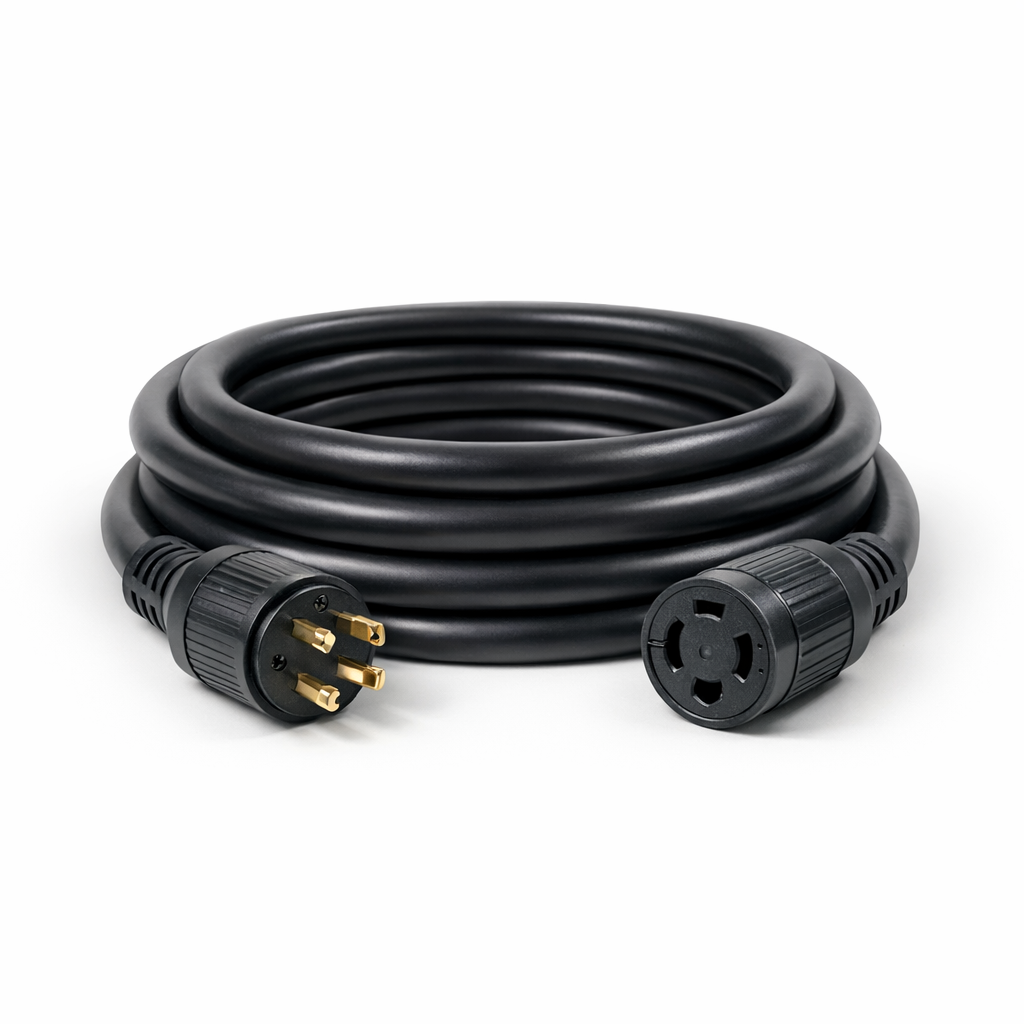
- Connector description: NEMA L14-30 plug and receptacle with twist-locking plug and connector
- Weather-resistance statement: Weather resistant to various conditions, chemicals, moisture, and abrasions
The real job: bridging a generator to the right inlet
A 30A generator cord is not glamorous, but it can be the difference between an orderly outage setup and a tangle of unsafe workarounds. The Southwire 65172840 is built around a 30 A, 125 / 250 V connection format and a NEMA L14-30 plug-and-receptacle description, which places it squarely in the world of portable generator backup connections rather than everyday household extension cords.
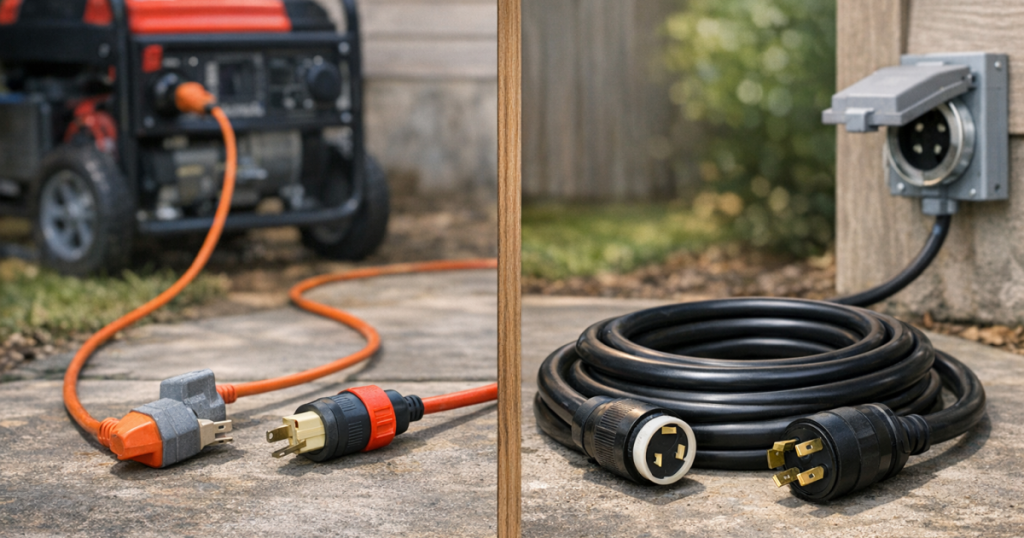
That makes the fit decision very specific. It belongs with a generator or 30A power source that has the matching output, and with a matching inlet, receptacle, RV, camper, or compatible load. For home backup, it also belongs in a system that uses proper transfer equipment rather than backfeeding through a wall outlet or improvising with adapters.
The 20 ft length is a practical middle ground for many household setups. It can help position a generator away from living areas while still reaching a nearby inlet, but it is not a substitute for careful generator placement. Generators must remain outdoors, away from openings, and positioned according to the generator manufacturer’s safety instructions.
Connector fit is the buying decision
The strongest reason to consider this Southwire cord is also the main reason to slow down before buying it: connector compatibility. Southwire describes the cord as having a NEMA L14-30 plug and receptacle with a twist-locking plug and connector. In practical terms, that style is meant to resist accidental pullout better than a straight-blade household plug, which is useful around a generator that may be outdoors, vibrating, or positioned near foot traffic.
There is one important wrinkle. Southwire’s product information includes an inconsistency: the title and feature language identify the connection as NEMA L14-30, while a specification field lists plug configuration as NEMA 1-15P. For this review, the product is best judged by the stated L14-30 generator-cord role, but the physical blade pattern and locking shape need to match the generator outlet and inlet in the setup. A 30A label by itself is not enough.
For a deeper look at how cords, inlets, and transfer switches work together, the site’s guide to generator power connections for blackouts is the right next step.
Build and weather resistance
The 10/4 AWG conductor specification is the most meaningful build detail here. A 30A, 125 / 250 V generator connection is not the place for a light-duty cord, and the Southwire 65172840 is positioned as a heavy-duty generator power cable rather than a general-purpose extension cord.
Southwire lists the cord material as STW and describes it as weather resistant to various conditions, chemicals, moisture, and abrasions. That is useful language for blackout planning because portable generator cords often have to deal with garages, driveways, porches, sheds, and hurried storm-season setup. Still, weather resistant is not the same as waterproof, submersible, or a rated enclosure. The practical interpretation is simple: treat it as an outdoor-use generator cord within its stated role, keep connections managed carefully, and do not ask the cord to solve exposure problems that belong to the inlet, generator placement, and overall system design.
Where it fits in a blackout setup
This cord makes the most sense for a homeowner or renter with a compatible generator connection plan already chosen. If the goal is to feed selected circuits through approved transfer equipment, the cord is the removable bridge between the generator and the inlet. If the goal is powering an RV, camper, or matching receptacle load, the same connector discipline applies: the receiving end has to match the cord.
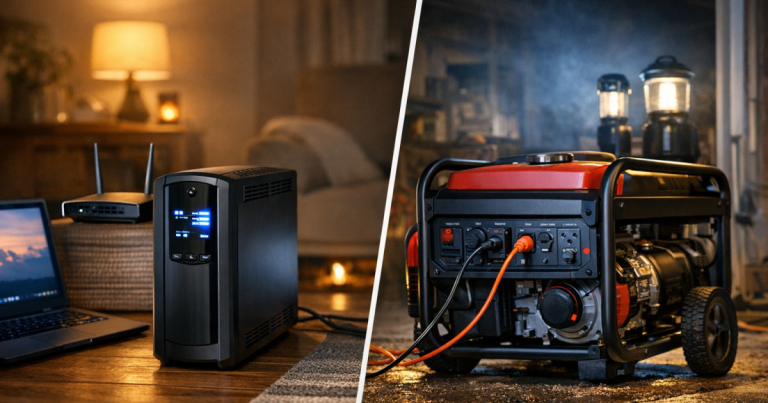
It is not the right purchase if the household is still deciding between a portable power station, a UPS for electronics, or a generator. It also should not be treated as a shortcut around an inlet or transfer switch. A cord can carry power from one compatible point to another; it cannot make a home electrical system safe by itself. That may sound fussy, but it is the boring distinction that keeps backup power setups repeatable instead of improvised.
Shopping notes
Southwire routes shoppers through Where to Buy rather than selling this item through direct checkout on its product page, so retailer pricing and stock will vary. The clean way to shop for it is by model number 65172840, Southwire product number 65172840, or UPC 032886718694, while matching the L14-30 connection style to the equipment it will actually plug into.
If a retailer listing changes the connector language, the safest buying path is not to assume that every 30A generator cord is interchangeable. Match the cord to the generator outlet, inlet hardware, and planned use. The difference between a correct twist-lock fit and the wrong connector is not a minor inconvenience during an outage; it is the difference between using the setup and leaving it in the box.
Common questions
Can this cord power a house by itself?
No. The Southwire 65172840 is a generator extension cord/accessory. For home backup, it still requires compatible inlet hardware and proper transfer equipment where the home electrical system is involved.
Is it compatible with every 30A generator?
No. Its usefulness depends on the actual connector style, not just the amperage number. It is intended around the NEMA L14-30 plug-and-receptacle connection described by Southwire, so the generator output and receiving inlet or load have to align with that format.
Is the 20 ft length enough?
For many planned inlet setups, 20 ft is a manageable distance that avoids excessive cord clutter. It is not a promise that every home layout will work. Generator placement, inlet location, exhaust clearance, and foot traffic all affect whether the length is practical.
Verdict
Score: 8.3/10.
The Southwire 65172840 earns its recommendation as a sensible accessory for compatible L14-30 generator setups. The score is driven most by its 30 A, 125 / 250 V role, 20 ft length, 10/4 AWG construction, and twist-lock connector format. The main trade-off is not performance speculation; it is fit discipline. The product page’s connector inconsistency means the physical plug and receptacle pattern needs to line up with the generator and inlet before it belongs in the cart.
For households with the right generator output and a proper inlet or transfer setup, this is the kind of component that makes blackout power planning cleaner and more repeatable. For anyone still building the larger system, treat it as one part of the connection plan, not the plan itself.
Southwire 65172840 20-Foot 30A Generator Cord
A strong fit for L14-30 generator setups where a durable 20-foot link to the inlet is the missing piece
You might also like: Portable Power Station vs Generator vs UPS for Blackouts.