Backup Power Basics
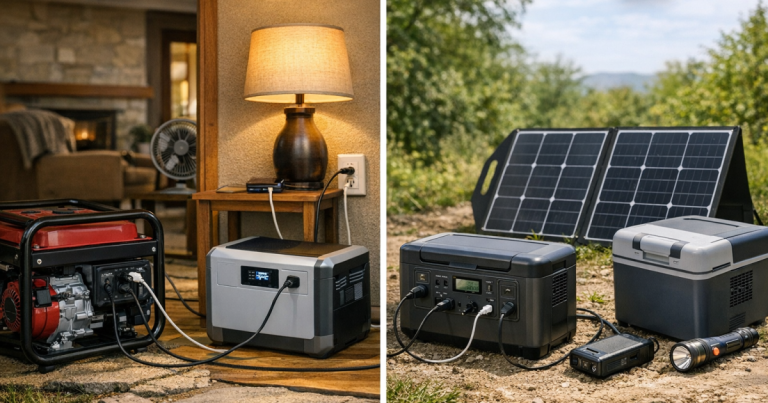
AC and DC Power in Home Backup Systems: What Each One Actually Does
Know which outage devices need wall-style power, battery power, or an inverter before the lights go out.
Read article →
Make sense of home blackout backup planning with clear guides, honest reviews and practical comparisons. Whether you are weighing up a purchase or exploring the subject, Outage Essentials helps you focus on the details that matter.
Browse articles
Know which outage devices need wall-style power, battery power, or an inverter before the lights go out.
Read article →
Find the weak points in your outage plan before the lights go out, from medical needs and food safety to backup power…
Read article →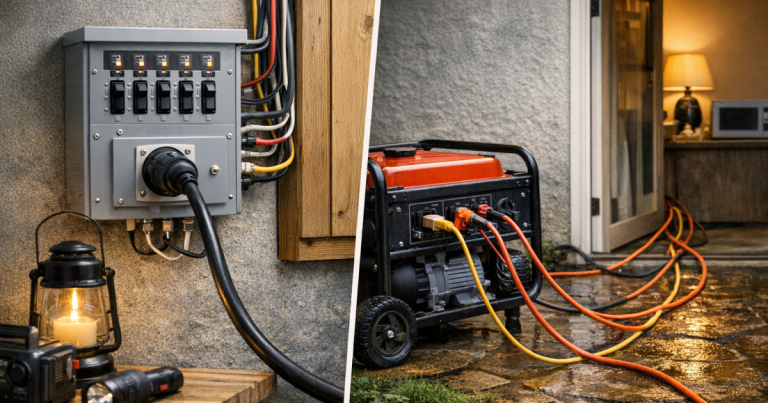
For homeowners planning generator backup, this kit offers a cleaner route to selected circuits without pretending to be whole-home power.
Read article →
Keep essentials running longer by giving each appliance a turn without tripping the generator or risking unsafe hookups.
Read article →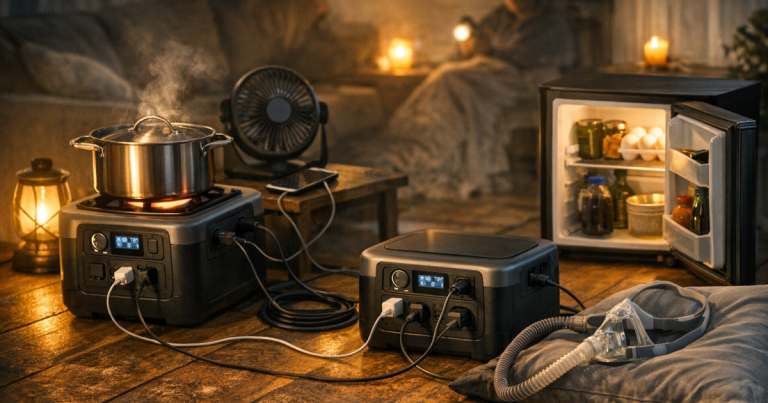
Know which blackout loads a battery can realistically handle before you count on it for heat, cooking, refrigeration, or medical needs.
Read article →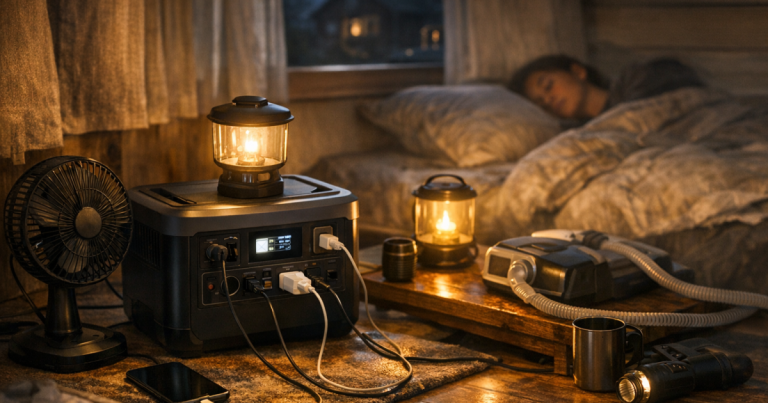
Small changes in load, ports, and timing can stretch overnight runtime without making blackout prep complicated.
Read article →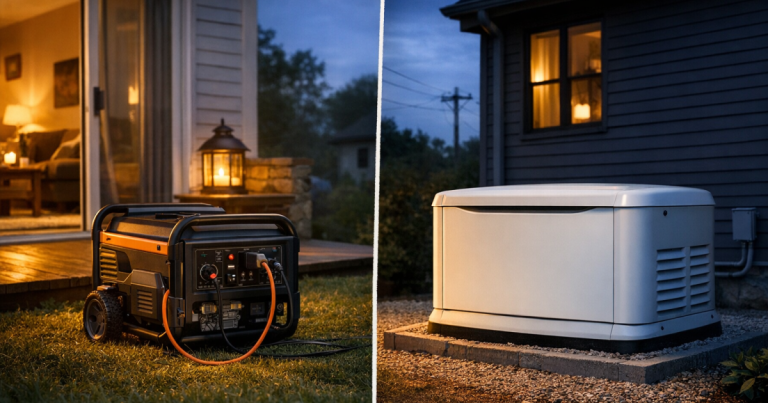
The right outage setup depends on what must keep running, how long outages last, and whether you need automatic power.
Read article →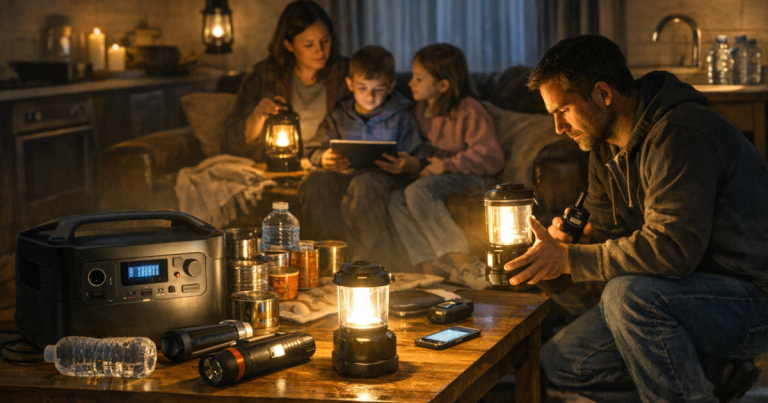
Test your lights, food plan, water routine, communications, and backup power before the next outage makes decisions harder.
Read article →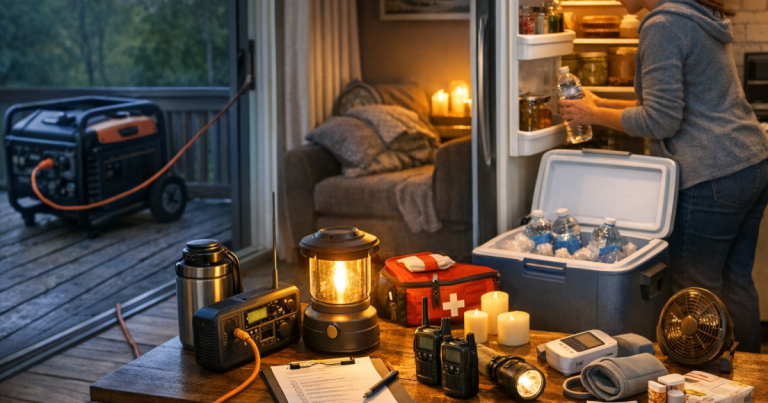
When the utility gives advance notice, you can protect food, water, internet, medical needs, and comfort without scrambling.
Read article →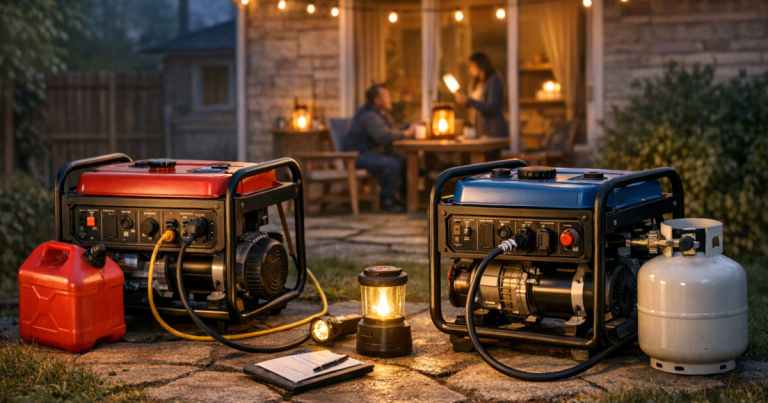
Gasoline gives flexibility; propane stores cleanly. The trick is sizing around real outage loads, not the biggest number on the box.
Read article →