Portable Power Stations
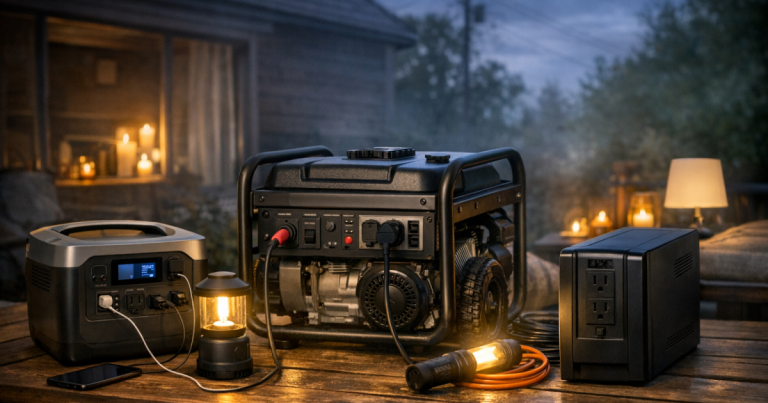
Portable Power Station vs Generator vs UPS for Blackouts
Choosing the wrong backup can leave key devices uncovered. Here’s how each option fits real home outage needs.
Read article →
Make sense of home blackout backup planning with clear guides, honest reviews and practical comparisons. Whether you are weighing up a purchase or exploring the subject, Outage Essentials helps you focus on the details that matter.
Browse articles
Choosing the wrong backup can leave key devices uncovered. Here’s how each option fits real home outage needs.
Read article →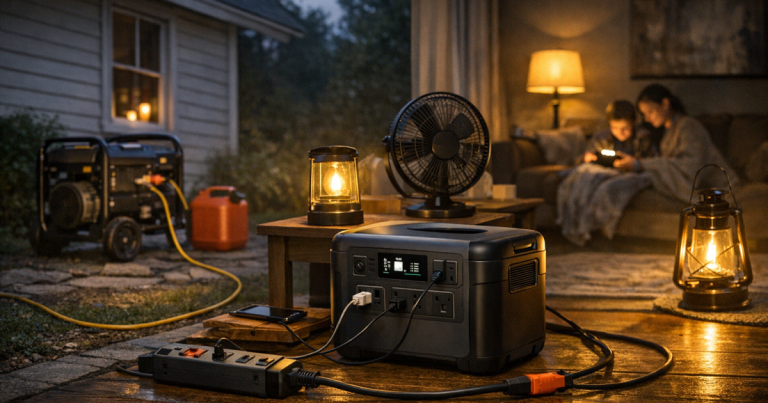
Keep essentials running without creating new hazards: safe generator placement, cord use, battery limits, and load planning.
Read article →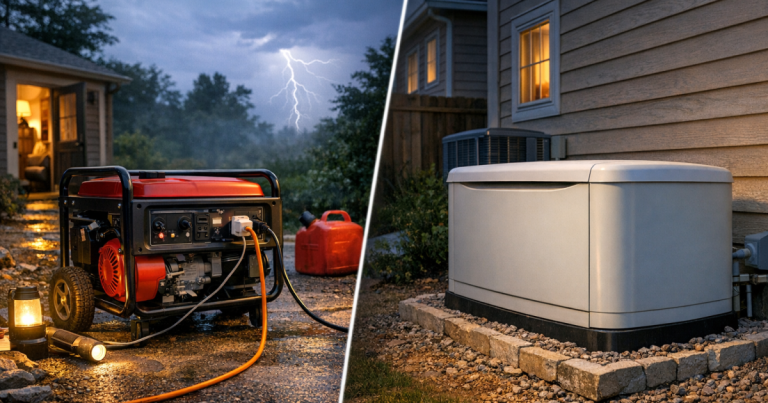
The right generator depends on what you need to keep running, how long outages last, and how much setup you want to…
Read article →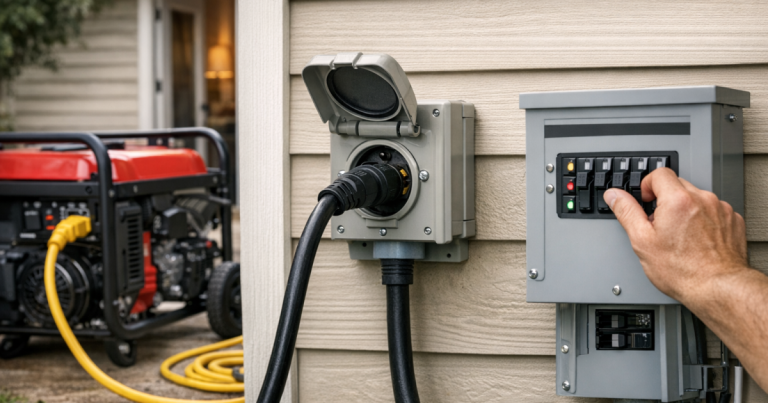
Safer blackout power starts with the right connection path: cords for small loads, inlets and transfer switches for circuits.
Read article →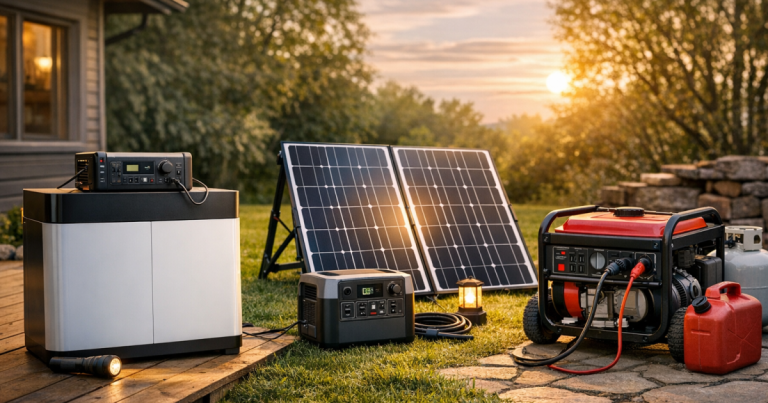
Batteries, solar charging, and generators solve different outage problems. Match the setup to your loads, runtime needs, home type, and safety limits.
Read article →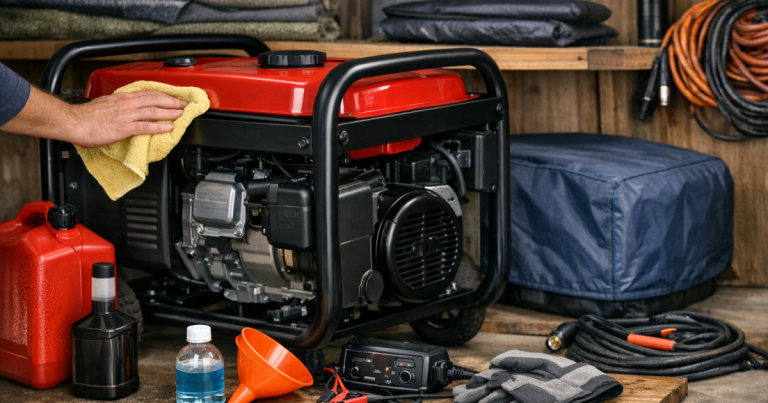
A stored generator should be clean, safe, fueled correctly, and ready to start when the next outage arrives.
Read article →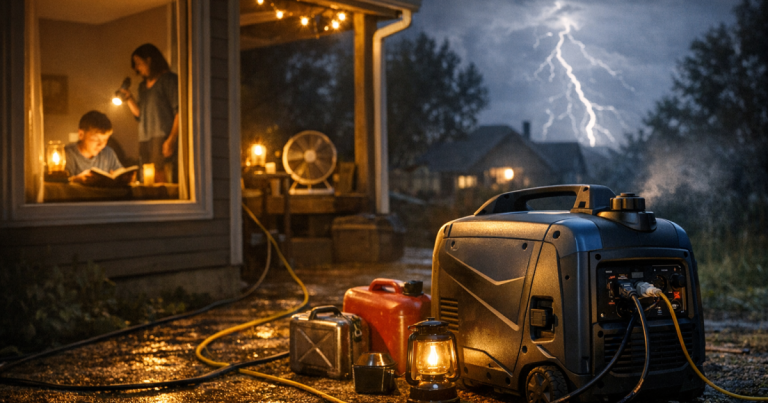
A quieter generator can be a smart blackout tool, but only when your essential loads, fuel plan, and setup limits all line…
Read article →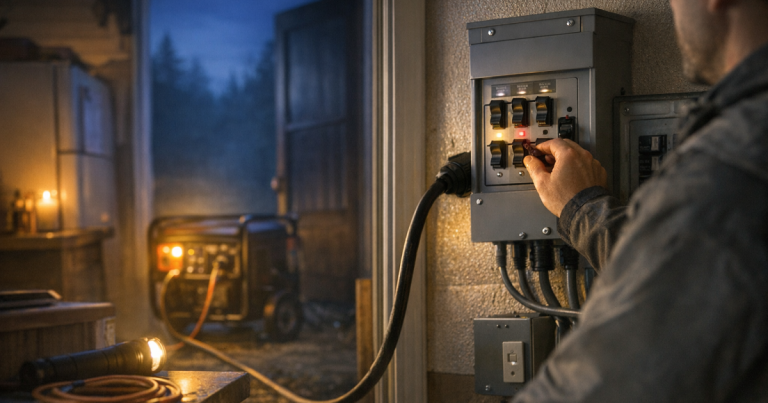
Keep critical circuits running without guesswork, backfeeding, or unsafe cord tangles when the grid goes dark.
Read article →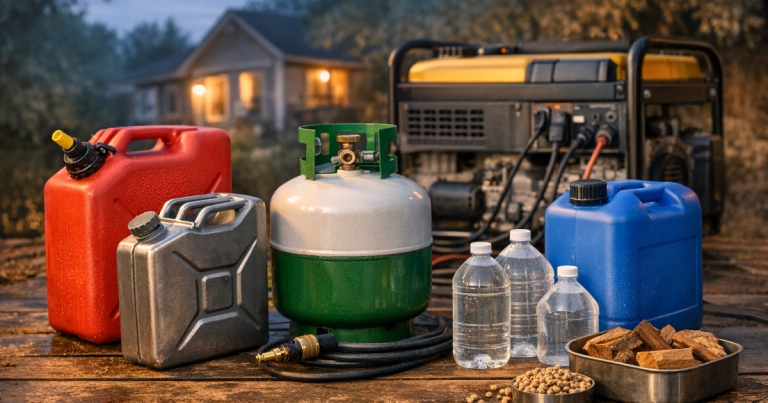
Fuel choice affects runtime, storage, refueling, noise planning, and whether your backup setup is realistic during a long outage.
Read article →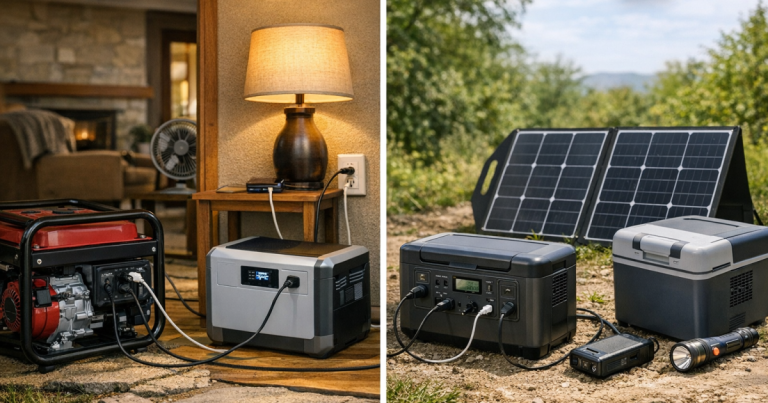
Know which outage devices need wall-style power, battery power, or an inverter before the lights go out.
Read article →