A good outage generator should make a stressful night feel manageable, not turn your driveway into a construction site. This Honda EU2200i review looks at the generator through a home blackout lens: keeping a fridge cold, charging phones, running a few lights, supporting basic internet gear, and doing it without pretending a compact inverter generator is a whole-home system.
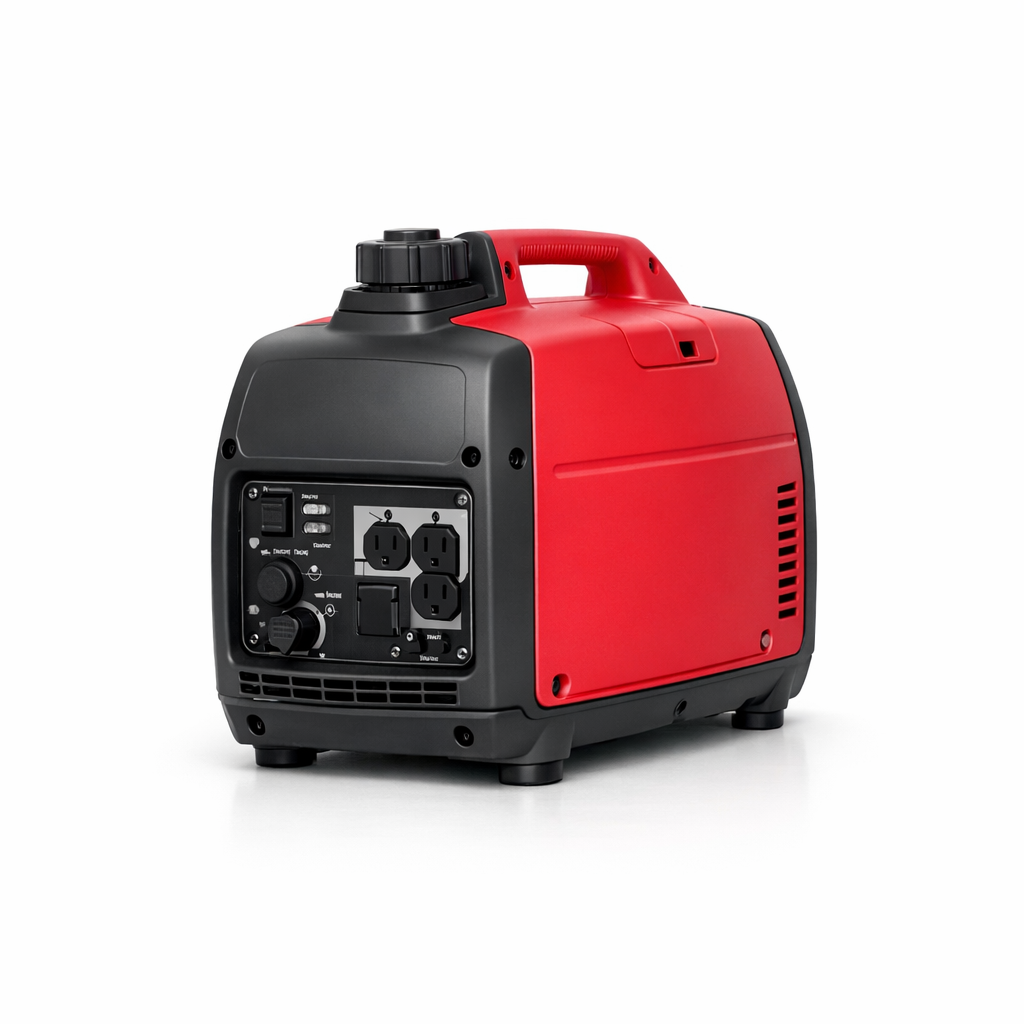
Honda EU2200i
A strong fit for households that want quiet fuel-powered essentials backup without chasing whole-home output
Electrical transfer-switch, interlock, or panel connection work should be carried out by a qualified electrician to ensure compliance with local electrical codes, utility rules, and safety requirements.
Product overview
Quick verdict: the Honda EU2200i is one of the strongest small inverter-generator choices for households that want dependable essential-load backup, lower noise than many open-frame generators, and manageable portability. It is not the right tool for central air, electric heat, large well-pump loads, or broad whole-home coverage, but it makes sense for a focused outage plan built around realistic wattage.
The EU2200i is a gasoline-powered portable inverter generator. In plain English, that means it is built to produce household AC power from a small gas engine while using inverter technology to provide cleaner, more stable output than many conventional jobsite-style generators. For blackout planning, the appeal is not just the wattage rating. It is the combination of compact size, reputation, quieter operation, and the ability to run the kinds of loads many homes actually need during a short outage.
The important framing is this: the Honda EU2200i is an essentials generator. Think refrigerator or freezer, modem and router, phone charging, a lamp or two, a fan, and maybe a small appliance used briefly. It can be a very reassuring piece of gear when matched to those loads. It becomes frustrating if you expect it to run a kitchen, HVAC system, laundry room, and multiple high-draw appliances at once.
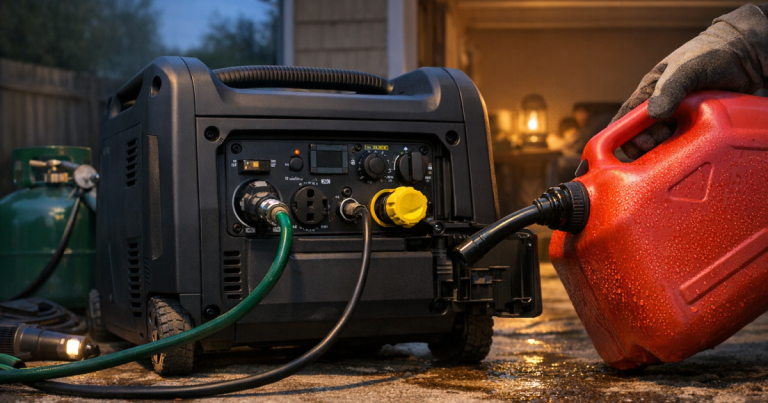
For safety, it must run outdoors only, placed well away from windows, doors, vents, garages, crawl-space openings, and occupied areas. Carbon monoxide is the generator risk that deserves the most respect because it can build up quickly and silently. Follow the manual, use properly rated outdoor cords, keep fuel handling deliberate, and let the unit cool before refueling.
Key specs
- Product type: Portable gasoline inverter generator.
- Rated output: Honda lists the EU2200i at 1,800 running watts and 2,200 maximum starting watts.
- Fuel: Gasoline. Store fuel safely and rotate it according to local conditions and fuel-stabilizer guidance.
- Starting method: Recoil pull start on standard EU2200i models.
- Weight: Honda publishes a dry weight in the upper-40-pound range; confirm the current listing for the exact package you are buying.
- Noise range: Honda publishes quiet-operation figures that vary by load; real-world sound also depends on distance, surface, load, and surrounding walls or fences.
- Outlets: Standard US EU2200i versions are built around 120-volt household use, but outlet layout can vary by version, including Companion models, so verify the exact model before buying accessories.
- Parallel capability: Honda supports parallel operation with compatible equipment, but buyers should confirm the exact kit and model pairing before assuming compatibility.
- Carbon monoxide shutoff: Many current Honda inverter generators include CO-MINDER technology; verify the exact unit, production version, and retailer listing before purchase.
Pros and cons
Pros
- Excellent fit for essential loads: The output range works well for a focused plan built around refrigeration, communications, lighting, and selective small appliances.
- Quieter than many portable generators: It is still an engine, but the enclosed inverter design is much more neighborhood-friendly than many open-frame models.
- Portable enough for one prepared adult: The size and weight are manageable compared with larger home-backup generators, though lifting and carrying still require care.
- Strong brand reputation: Honda generators have a long-standing reputation for durability, parts support, and resale value.
- Efficient for partial-load use: Small inverter generators often make sense when you do not need thousands of unused watts burning fuel.
Cons
- Limited output: It is not designed for whole-home backup or large simultaneous loads.
- Gasoline storage requires planning: You need safe storage, fuel rotation, and a realistic sense of how much fuel you can keep on hand.
- No indoor operation: Like any gas generator, it cannot be used in a house, garage, balcony enclosure, shed, or attached space.
- Premium positioning: Honda inverter generators are commonly positioned above many budget competitors, so value depends on how much you prioritize quiet operation and long-term confidence.
- Accessory planning matters: Cords, covers, fuel cans, locks, and possibly a transfer solution can add cost and complexity.
Performance in real use
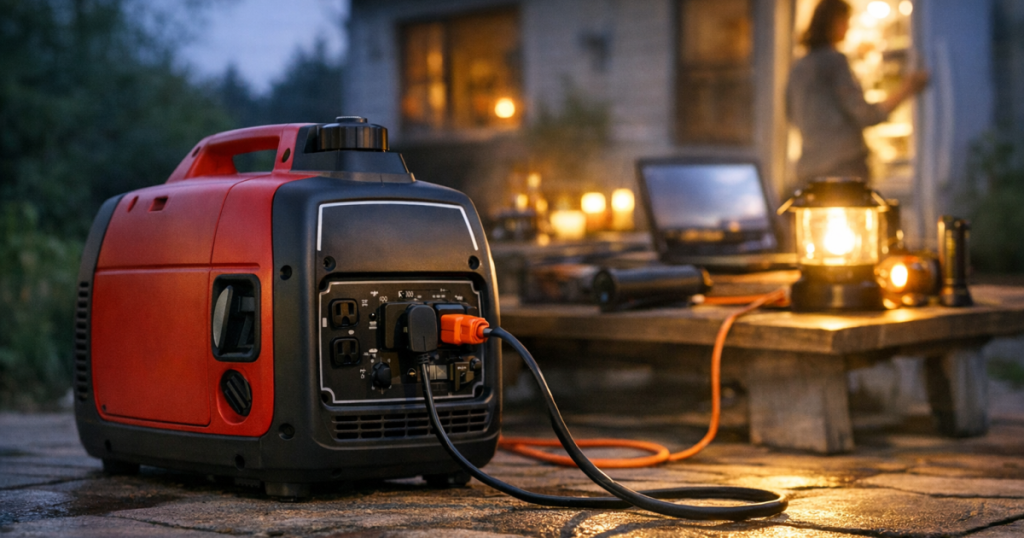
The EU2200i is at its best when you treat outage power as a rotation plan, not an all-at-once wish list. A typical household might run a refrigerator for a while, charge phones and battery packs, power a modem and router, and use a few LED lights. Then it might unplug the fridge after it cycles, run a coffee maker briefly if the wattage allows, or top up rechargeable lanterns. That style of use keeps the generator in its comfort zone.
Starting watts matter. A refrigerator, freezer, sump pump, or small motor load may need more power for a moment when it starts than it uses while running. The EU2200i has a maximum output rating above its continuous rating, but you still need to check the nameplate or manual for each appliance and leave margin. Do not stack several motor loads and high-heat appliances together just because the plugs fit.
For remote workers, the generator can be helpful as part of a layered plan. A UPS can keep the router and modem alive through brief flickers, while the generator supports longer charging windows. For computers and sensitive electronics, verify the device requirements and use surge protection where appropriate. Many households prefer to charge laptops, phones, and battery stations from the generator in batches rather than keep everything connected continuously.
Noise is one of the EU2200i’s strongest practical advantages. It will not be silent, and nighttime operation still calls for neighbor awareness, but it is far more livable than many louder portable generators. Placement matters: hard surfaces can reflect sound, narrow side yards can amplify it, and unsafe enclosures can trap exhaust. For safe ways to reduce generator sound without creating carbon monoxide or overheating hazards, see our guide to quieting a portable generator safely.
Fuel use depends on load, run time, temperature, maintenance, and how you operate it. The practical takeaway is to plan in hours of essential coverage, not vague days of comfort. If you only need to cool a fridge, charge devices, and run lights in shifts, a small inverter generator can stretch fuel better than a much larger generator loafing along inefficiently. If you need continuous high-draw output, this is the wrong size class.
Maintenance is straightforward but not optional. Oil checks, air-filter care, spark-plug attention, fresh fuel, and periodic test runs are what turn a generator from a garage ornament into dependable outage gear. The EU2200i’s smaller size makes that routine less intimidating, but you still need to keep supplies on hand and follow Honda’s maintenance schedule rather than waiting until the first storm warning.
Who it’s best for / who should skip it
The Honda EU2200i is best for homeowners and renters who can operate a gasoline generator outdoors and want to cover a disciplined essentials list. It suits suburban homes that need fridge protection, basic lighting, phone charging, internet support, and occasional small-appliance use. It is also a good match for people who value lower noise and a proven generator platform more than chasing the cheapest watt rating on the shelf.
It is a particularly sensible fit for a household that already knows its priorities. If your outage plan says the fridge matters first, the freezer second, phones and weather alerts third, and comfort appliances only when power allows, this generator lines up well. It also works for people who would rather own a smaller, easier-to-move unit than manage a larger generator they rarely need at full capacity.
You should skip it if you expect automatic backup, indoor use, central HVAC support, electric range operation, large water-heater loads, or plug-and-play whole-home coverage. A generator this size can disappoint buyers who have not mapped their real wattage. It may also be a poor fit for apartments, dense townhome settings, or wildfire shutoff situations where outdoor generator use is restricted by property rules, smoke conditions, fuel access, or local guidance.
Medical equipment deserves a separate plan. If someone in the home relies on a CPAP machine, oxygen concentrator, powered mobility equipment, refrigerated medication, or other essential device, confirm power needs with the device documentation and healthcare provider. Do not rely on a rough wattage guess when health and comfort depend on continuous operation.
Alternatives
If the EU2200i is too small, the real alternative is not simply a bigger generator. It is a different backup strategy. A larger portable generator connected through a properly installed manual transfer switch can support more circuits, but it adds fuel use, noise, weight, cost, and electrical-planning complexity. That route makes more sense when you have well-defined hardwired loads and enough outdoor space for safe operation.
If you cannot safely run gasoline equipment, a portable power station is the more realistic alternative. It can be used indoors, is quiet, and works well for phones, laptops, lights, routers, and some medical-device backup needs when properly sized. It will not replace a gas generator for every refrigerator or multi-day load, but it can be the better fit for apartments, overnight quiet hours, or households that want no engine maintenance. For the basics, read how portable power stations work during home outages.
Some households will land in the middle: a power station for indoor overnight electronics and the Honda outside during daytime charging and refrigeration windows. That layered approach can be calmer than running a generator continuously, and it gives you more flexibility when weather, noise, or fuel supply changes during an outage.
Common questions
Can the Honda EU2200i run a refrigerator?
Often, yes, if the refrigerator’s starting and running watts fit within the generator’s limits and you are not running too many other loads at the same time. Always check the appliance label or manual and leave margin.
Can it power a whole house?
No. It is an essential-load generator, not a whole-home backup system. It is better for selected plug-in loads or a professionally planned small transfer setup where the connected loads are within its capacity.
Is it safe to run in a garage with the door open?
No. A gasoline generator should not run in a garage, attached structure, porch enclosure, or near openings. Use it outdoors, well away from the home, and follow the manual’s carbon monoxide guidance.
Does it need a transfer switch?
Not for basic extension-cord use with plug-in devices. If you want to power hardwired circuits, a transfer switch or approved interlock setup must be installed correctly by a qualified electrician.
Is it worth choosing over a cheaper generator?
It can be, if quiet operation, portability, fuel efficiency at modest loads, and long-term confidence matter more to you than the lowest upfront cost per watt.
Verdict + score
The Honda EU2200i is an excellent compact inverter generator for households that plan around essentials instead of pretending a small portable unit can do everything. Its strengths are exactly the traits that matter during many real blackouts: manageable size, quieter operation, credible output for refrigeration and communications, and a reputation that supports long-term preparedness. The limitations are just as important. It is not a whole-home solution, not an indoor solution, and not a shortcut around proper load planning or electrical safety. For a realistic outage kit built around a fridge, freezer rotation, phones, lights, router support, and selective small appliances, it earns a confident 9.1 out of 10.
Final thoughts
Overall, Honda EU2200i earns a score of 9.1/10. It is a strong option for readers who want the benefits discussed above, while still being worth comparing against the alternatives before buying.
Honda EU2200i
A strong fit for households that want quiet fuel-powered essentials backup without chasing whole-home output
You might also like: How to Store a Portable Generator Between Outages.