Generators
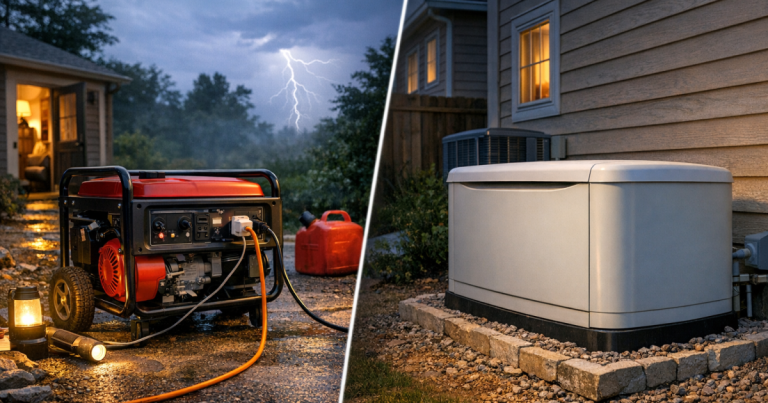
Portable vs Standby Generators: Which Is Right for Outages?
The right generator depends on what you need to keep running, how long outages last, and how much setup you want to…
Read article →
Make sense of home blackout backup planning with clear guides, honest reviews and practical comparisons. Whether you are weighing up a purchase or exploring the subject, Outage Essentials helps you focus on the details that matter.
Browse articles
The right generator depends on what you need to keep running, how long outages last, and how much setup you want to…
Read article →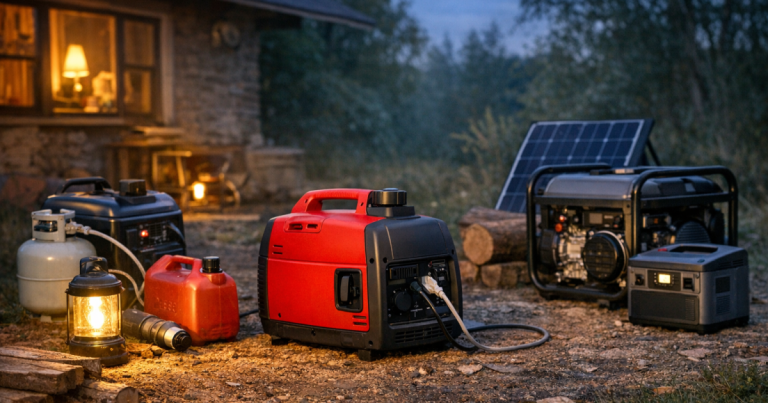
A calm look at the generator’s real outage fit: essential loads, safe connections, fuel limits, and where it stops making sense.
Read article →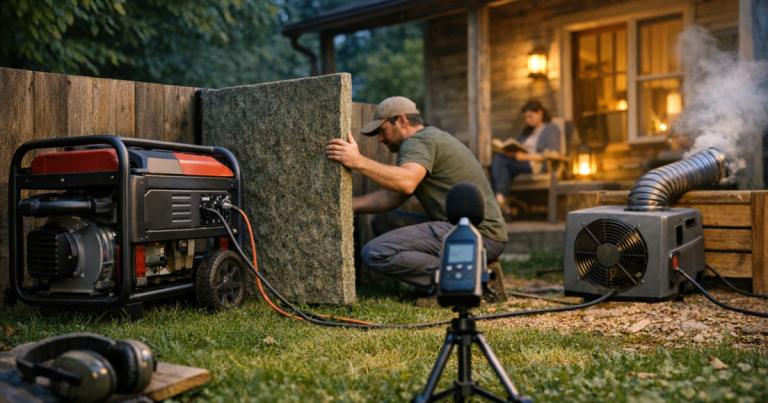
Generator noise is annoying, but the wrong quieting trick can trap heat or carbon monoxide. Use safer distance, barriers, and load habits.
Read article →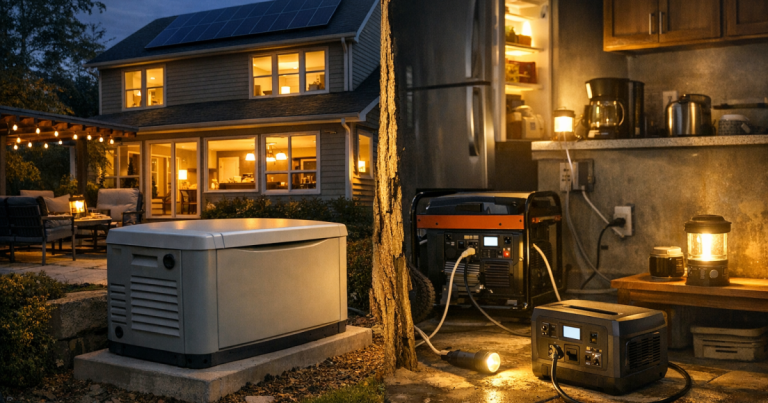
Most homes need fewer circuits than they think. The right plan depends on comfort, fuel, budget, and what must stay on.
Read article →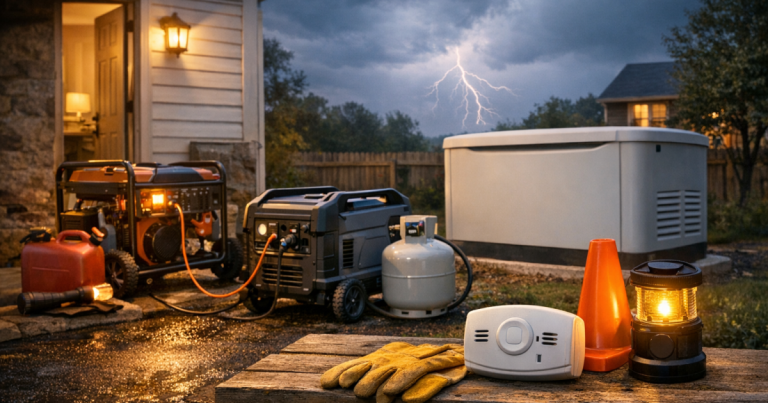
Choose backup power with fewer surprises: understand generator types, load limits, fuel trade-offs, and the safety rules that matter at home.
Read article →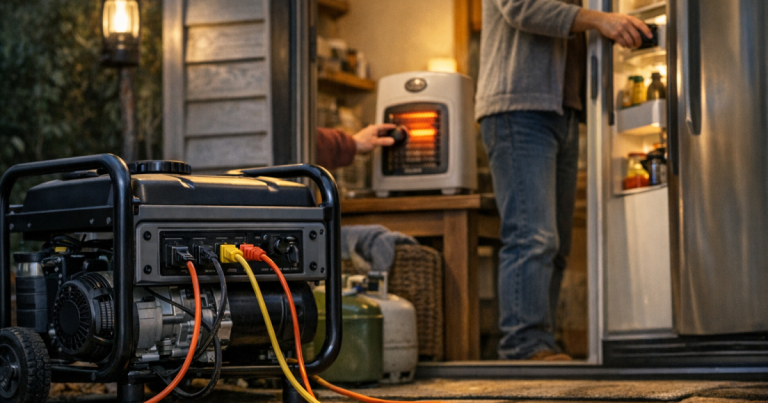
Keep essentials running longer by giving each appliance a turn without tripping the generator or risking unsafe hookups.
Read article →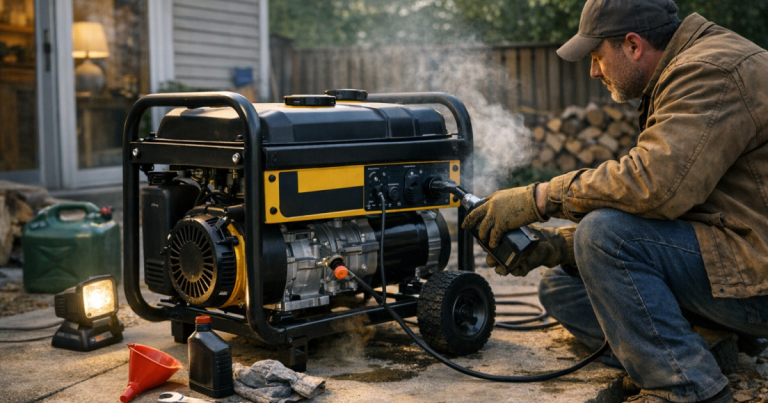
Do the first run on your own schedule, not during a storm. A clean break-in helps reveal leaks, bad oil habits, and…
Read article →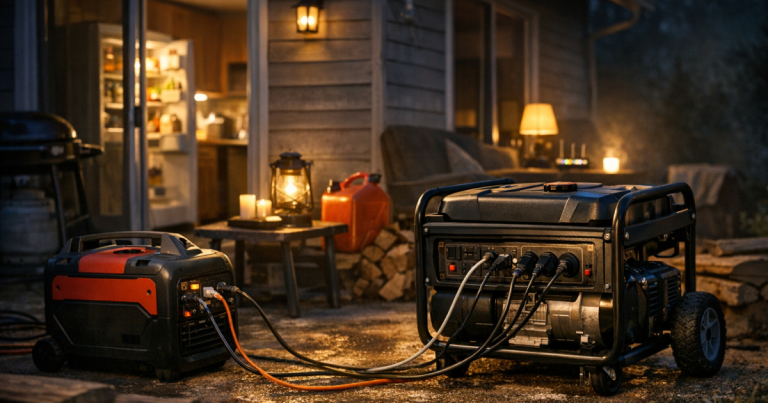
Keep the fridge, lights, router, and key appliances in view before you oversize—or undersize—your blackout generator.
Read article →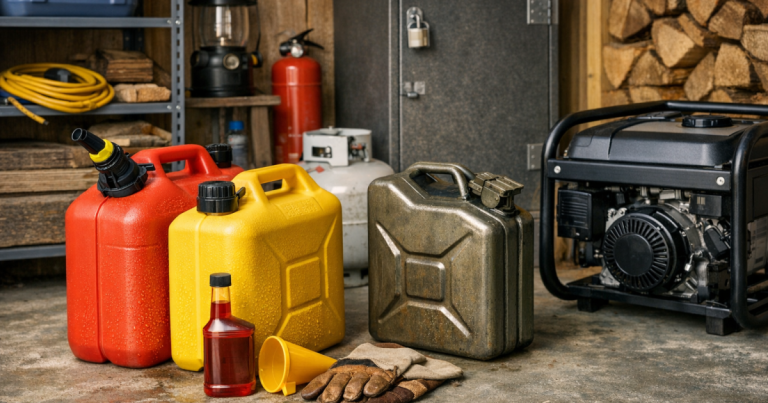
Fuel that is old, mislabeled, or stored poorly can turn a good generator plan into a problem when the lights go out.
Read article →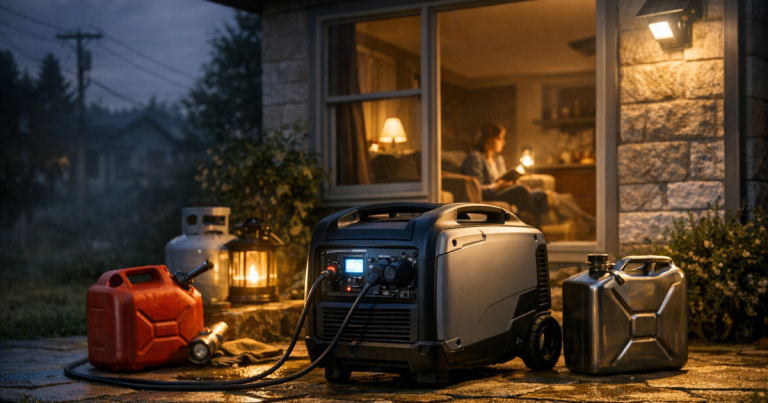
Keep the essentials running without overbuilding your outage setup. Here’s how to think through watts, fuel, noise, and safe use.
Read article →