A manual transfer switch kit is not glamorous gear, but it can make a portable generator far more orderly during a blackout. This Reliance Controls 306CRK Pro/Tran2 30A Six-Circuit Transfer Switch Kit review looks at the practical question: does this bundle give an ordinary household a clean way to feed selected essential circuits without pretending to be whole-home standby power?
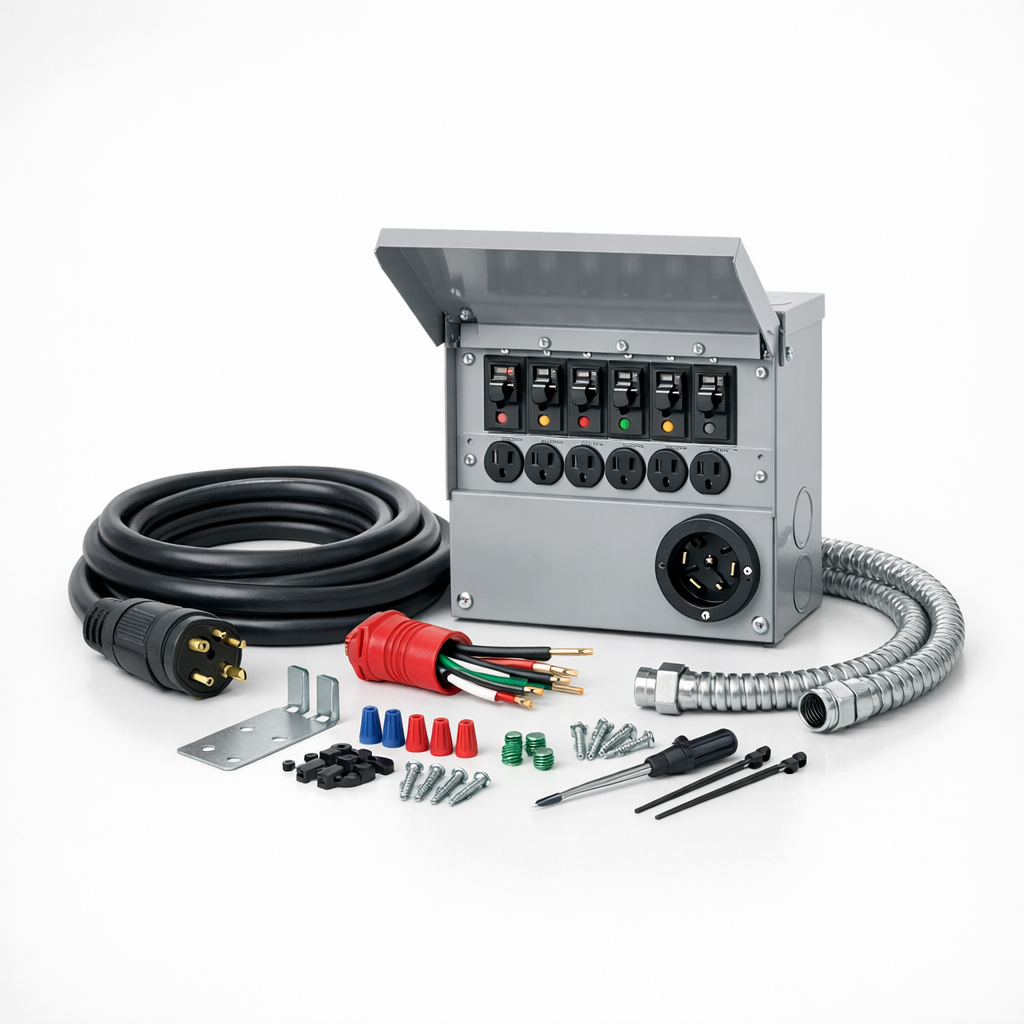
Reliance Controls 306CRK Pro/Tran2 30A Six-Circuit Transfer Switch Kit
A sensible fit for essential-circuit generator backup when you want a bundled inlet, cord and manual transfer setup
The short answer is yes, for the right setup. The Reliance Controls 306CRK is a bundled manual portable-generator transfer switch system, not a generator and not an automatic standby solution. It is built around selected circuits, an outdoor inlet and a 10-foot generator cord, so the buying decision comes down to circuit planning, generator compatibility and whether a six-circuit manual workflow fits your household.
Load-center wiring, transfer-switch installation and generator connection planning should be carried out by a qualified electrician to ensure compliance with local electrical codes, NEC requirements and the manufacturer’s installation instructions.
Product Details
- Reliance Controls 306CRK Pro/Tran2 30A Six-Circuit Transfer Switch Kit is officially listed as the 306CRK Six-Circuit Kit.
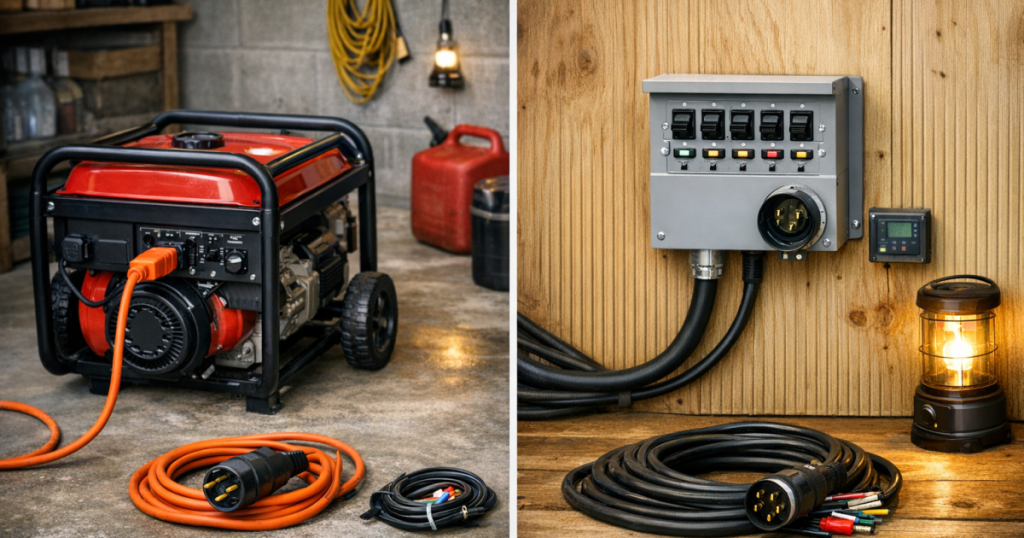
- The kit includes a 306C Back-Up Power / Transfer Switch, PB30 Outdoor Power Inlet Box and PC3010 10-foot Outdoor Power Cord.
- The 306C transfer switch is L14-30, 30 amp and 6 circuit.
- The transfer switch enclosure is metal with powder-coated steel construction.
- The PB30 inlet box is L14-30, 30 amp and NEMA 3R rated.
- The PB30 inlet box is also metal with powder-coated steel construction.
- The PC3010 cord is 10 feet, L14-30, 30 amp and molded, with an LED-lighted female connector.
- The cord uses 10 gauge conductors, listed as 10/3 with Ground / SJTW.
- Listed packaged dimensions are 18 x 19 x 6 inches H x W x D, with an 18.8 lb shipping weight.
- The Pro/Tran2 series is cULus 1008 listed and suitable for use in accordance with NEC Article 702.
The six-circuit limit is the main design choice
The strongest reason to consider this kit is also its built-in boundary: it is made for six selected circuits. That is enough to create a focused outage plan around essentials such as refrigeration, furnace controls, sump pump service, basic lighting or a small set of critical household loads, depending on the circuits chosen and the generator feeding the system.
It is not the right mental model for “run the whole house as usual.” A six-circuit manual transfer switch asks you to decide ahead of time which loads deserve generator power. That planning can be a benefit. Instead of dragging cords through rooms or improvising under stress, the household gets a defined path for the circuits chosen during installation.
The A and B circuits are documented for a maximum of 30A, while all other circuits are documented for a maximum of 20A. That detail shapes the installation conversation. Higher-priority or higher-rated circuits need to be assigned deliberately, and the overall load still has to stay within the generator, cord, inlet and transfer switch limits.
The bundled pieces reduce guesswork
A transfer switch alone is only part of the job. The appeal of the 306CRK kit is that Reliance Controls packages the 306C transfer switch with the PB30 outdoor inlet box and the PC3010 10-foot outdoor power cord. For a homeowner planning portable-generator backup, that bundled approach can make the system easier to understand before the electrician ever opens the panel.
The outdoor inlet is the connection point between the generator cord and the building wiring. The transfer switch is the manual control point for moving selected circuits between utility power and generator power. The cord connects a compatible portable generator with the proper L14-30 style outlet to the inlet. Those are different jobs, and this kit is strongest when the whole layout is planned as one system rather than as a pile of separate parts.
For a deeper look at cord types, inlets and transfer switches, the site’s guide to generator power connections for blackouts is a useful next step before deciding where this kit would physically live.
30 amp L14-30 compatibility keeps the system focused
The 306C transfer switch, PB30 inlet box and PC3010 cord are all documented around an L14-30, 30 amp setup. That consistency is a plus: the core kit components are aligned around the same connection family and current rating. It also means the generator side of the plan cannot be an afterthought.
This kit requires a compatible portable generator with an appropriate 125/250 V locking outlet. If the generator does not match the connection and electrical requirements of the kit, the system does not work as intended. Neutral and GFCI behavior also belongs in the generator-and-installation plan, because those details can affect how portable generators interact with transfer equipment.
In plain English, the 306CRK is best seen as a clean doorway into selected home circuits, not as extra generator capacity. It will not make a small generator run large loads, and it will not remove the need to balance what is on at the same time. The kit gives structure to the backup setup; the generator and circuit choices still define what the household can actually power.
The outdoor inlet and 10-foot cord shape placement
The included PB30 inlet box is NEMA 3R rated, which is a common outdoor enclosure rating for protection from falling rain and similar exposure. It should not be treated as a fully watertight box. Good placement still counts: the inlet location, generator location and cord path all need to work together without encouraging unsafe generator placement.
The included PC3010 cord is 10 feet long. That is convenient for tidy installations where the generator operating area is close to the inlet, but it is not a long run. In many homes, the cord length will influence where the inlet is placed or whether a different layout makes more sense before committing to the installation. The generator must still operate outdoors, away from living spaces, doors, windows and vents.
Generator safety is not a small print issue. For a broader planning pass, read home backup power safety basics before building the rest of the outage routine around any portable generator system.
Build and listing details are reassuring
Reliance Controls lists both the 306C transfer switch enclosure and PB30 inlet box as metal with powder-coated steel construction. That does not turn the kit into an indestructible object, but it does support the impression that this is intended as installed electrical infrastructure rather than a temporary cord-only workaround.
The Pro/Tran2 series listing is also important for this kind of product. Reliance Controls identifies the series as cULus 1008 listed and suitable for use in accordance with NEC Article 702. For a manual transfer switch connected to building circuits, that code-facing design context is more meaningful than decorative extras. It helps explain why this product belongs in a planned installation rather than a last-minute storm purchase tossed into the garage.
Where this kit makes the most sense
The 306CRK makes the most sense for a homeowner who already accepts the portable-generator trade-off: lower system complexity than a standby generator, but more hands-on involvement during an outage. Someone has to move the generator outdoors, connect the cord, start the generator and operate the manual transfer switch. If that routine is realistic for the household, the kit can make portable backup feel more repeatable.
It is a particularly sensible fit when the goal is essential-circuit coverage rather than comfort-as-usual coverage. A refrigerator, select lights, controls for heating equipment, a sump pump or other priority loads can be planned into a small, disciplined backup map. The exact circuit mix belongs in the installation design, because the six-circuit limit and 30 amp rating are real constraints.
A different route is more sensible for households that need automatic operation, broad whole-home coverage or backup for loads beyond the kit and generator capacity. In those cases, a larger transfer setup, an interlock arrangement where appropriate, or a professionally designed standby system may be the better match. The point is not that the 306CRK is too small; it is that it is deliberately sized for an essential-load portable-generator plan.
Verdict
Score: 8.6/10. The Reliance Controls 306CRK earns a strong recommendation for households that want a structured, code-conscious way to connect a compatible portable generator to selected essential circuits. Its score is driven mainly by the complete transfer-switch, inlet and cord bundle; the consistent 30 amp L14-30 component path; and the practical usefulness of a six-circuit layout for real blackout planning.
The trade-offs are equally clear. This is a manual system, it is not a generator, it is not intended for whole-home automatic backup and the included 10-foot cord can shape the installation layout. For the right household, those are manageable limits rather than deal-breakers. If your outage plan is built around essential circuits and a compatible portable generator, this kit is well worth considering.
Reliance Controls 306CRK Pro/Tran2 30A Six-Circuit Transfer Switch Kit
A sensible fit for essential-circuit generator backup when you want a bundled inlet, cord and manual transfer setup
You might also like: Portable Power Station vs Generator vs UPS for Blackouts.