Outage Planning
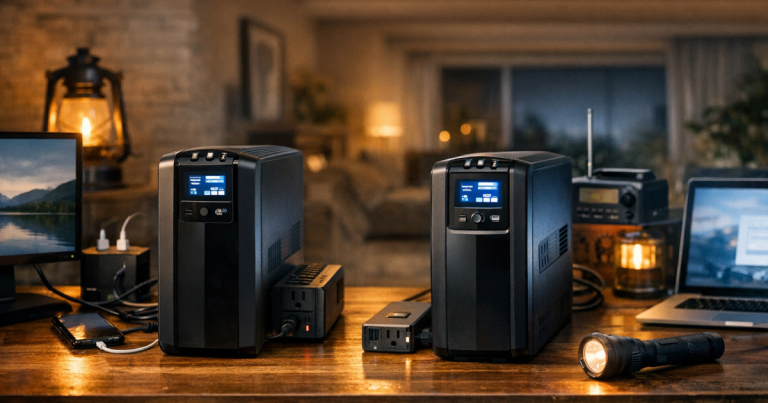
APC Back-UPS Pro 1500VA vs CyberPower CP1500PFCLCD: Which UPS Fits Your Outage Plan?
Both are sine-wave 1500VA UPS units, but the better pick depends on watts, outlet layout, transfer time, and upkeep.
Read article →
From the team
Oliver Bennett covers home blackout backup planning, turning practical questions into clear explanations and useful decisions readers can act on.
Browse articles
Both are sine-wave 1500VA UPS units, but the better pick depends on watts, outlet layout, transfer time, and upkeep.
Read article →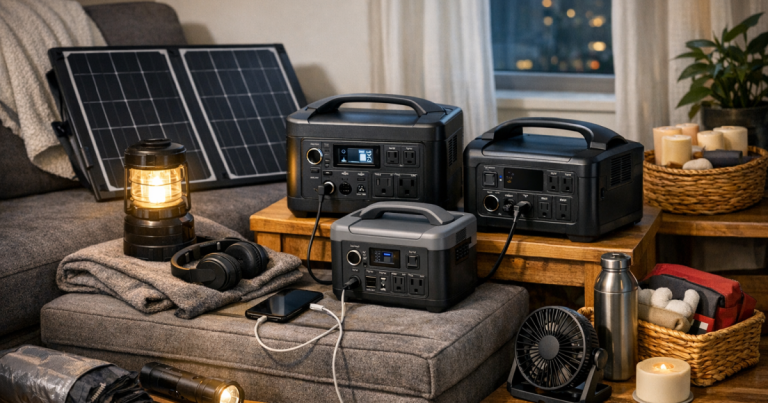
Tiny closets and strict leases change the backup-power math. Prioritize quiet batteries, compact storage, and realistic runtime.
Read article →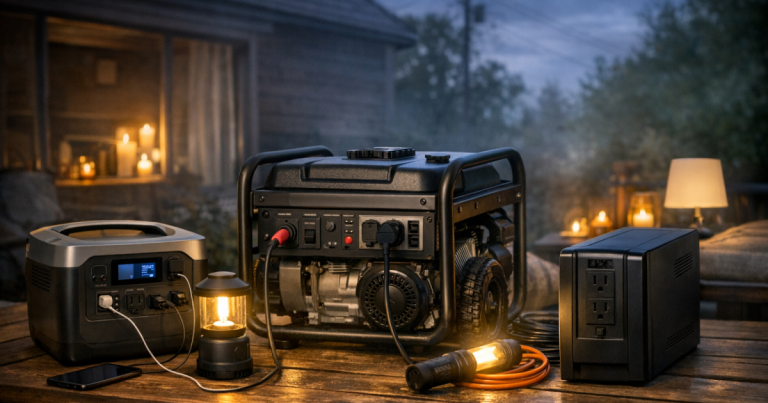
Choosing the wrong backup can leave key devices uncovered. Here’s how each option fits real home outage needs.
Read article →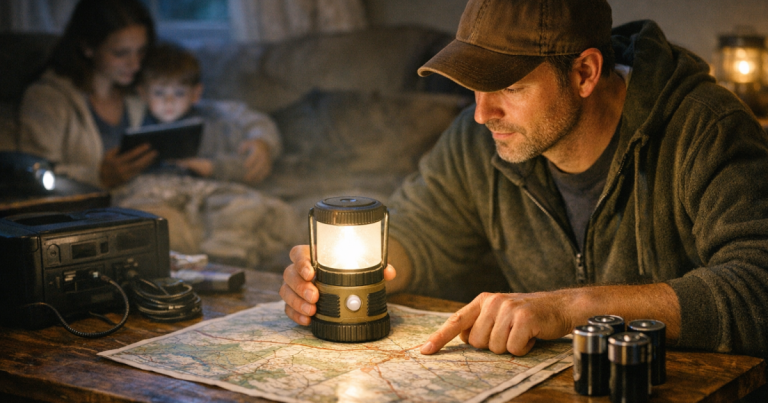
A rugged D-cell lantern can simplify outage lighting, but the battery plan is part of the purchase.
Read article →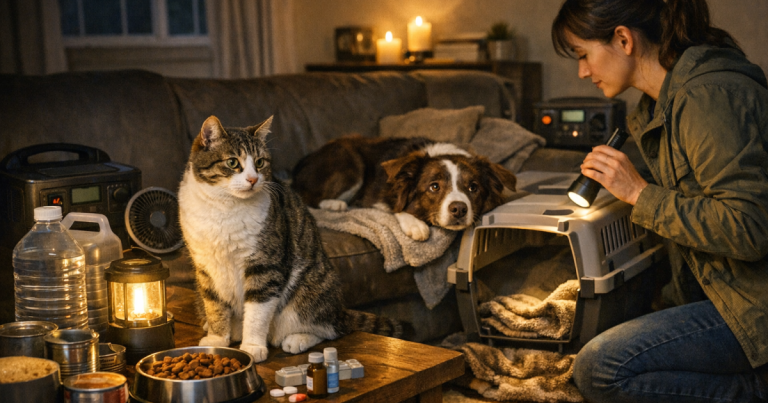
Pets need more than a flashlight plan. Build a calm, safe outage routine for food, water, temperature, medication, and confinement.
Read article →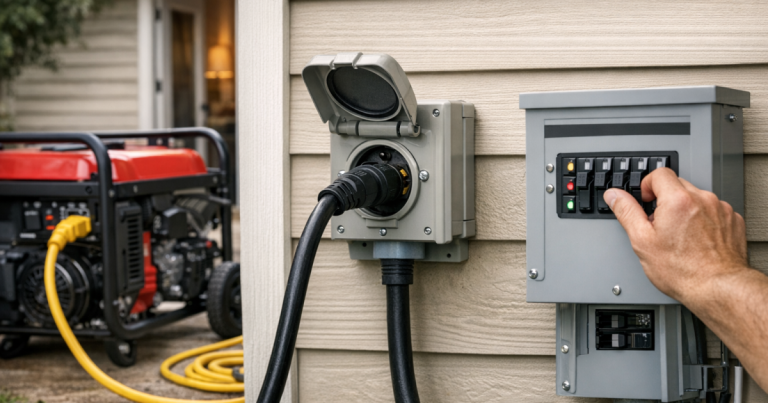
Safer blackout power starts with the right connection path: cords for small loads, inlets and transfer switches for circuits.
Read article →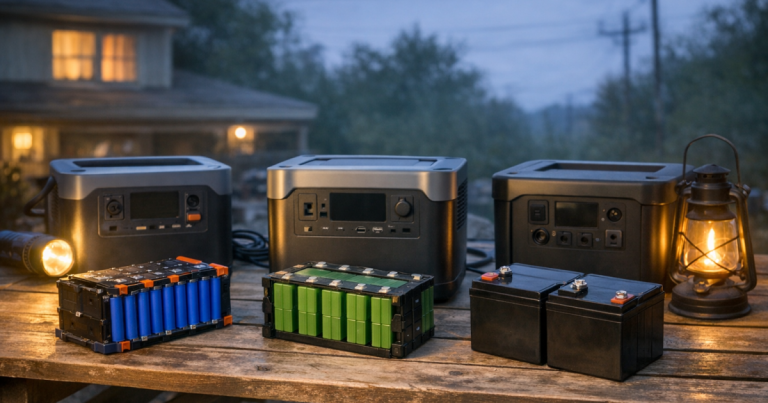
Battery chemistry affects runtime expectations, storage habits, weight, and safety during a real blackout.
Read article →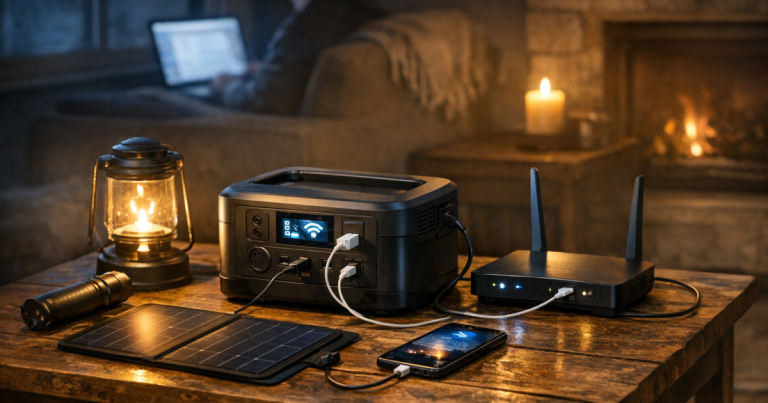
When the power drops, a small backup plan can keep alerts, Wi-Fi calling, and remote work online without overbuilding your setup.
Read article →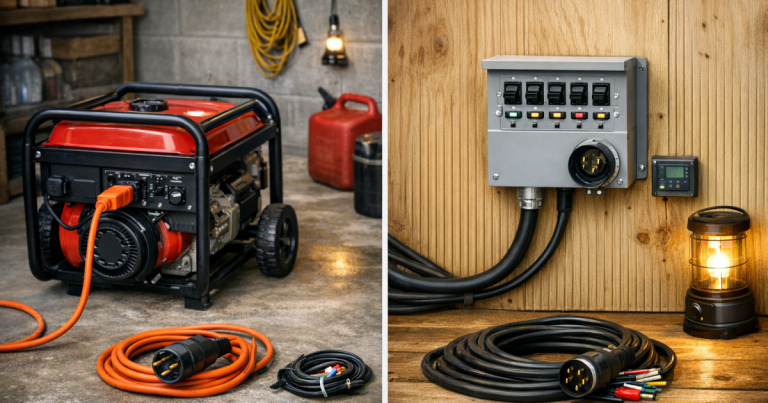
A six-circuit transfer kit can simplify generator use, but only when its 30 amp limits and manual workflow fit your outage plan.
Read article →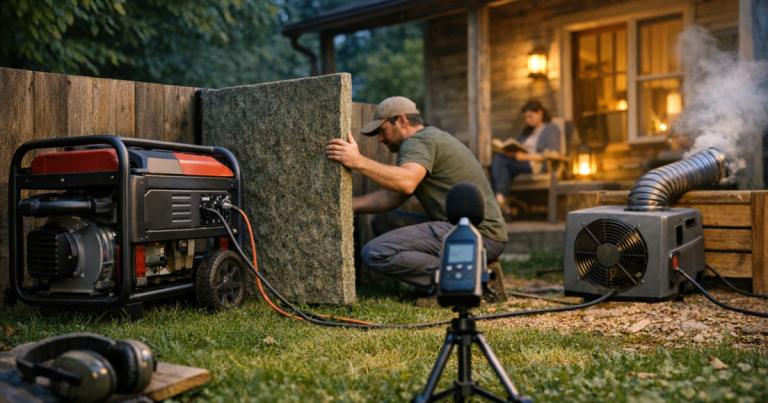
Generator noise is annoying, but the wrong quieting trick can trap heat or carbon monoxide. Use safer distance, barriers, and load habits.
Read article →