Backup Power Basics
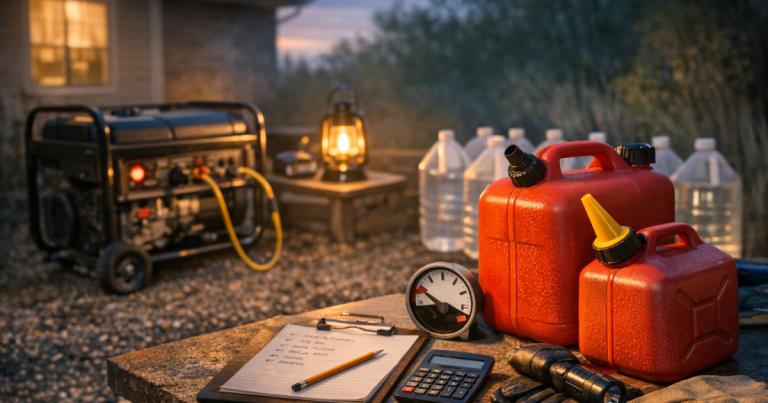
How to Plan Generator Fuel for a Multi-Day Outage
A long outage gets easier when you know how much fuel your essentials need and how to stretch it safely over several…
Read article →
Make sense of home blackout backup planning with clear guides, honest reviews and practical comparisons. Whether you are weighing up a purchase or exploring the subject, Outage Essentials helps you focus on the details that matter.
Browse articles
A long outage gets easier when you know how much fuel your essentials need and how to stretch it safely over several…
Read article →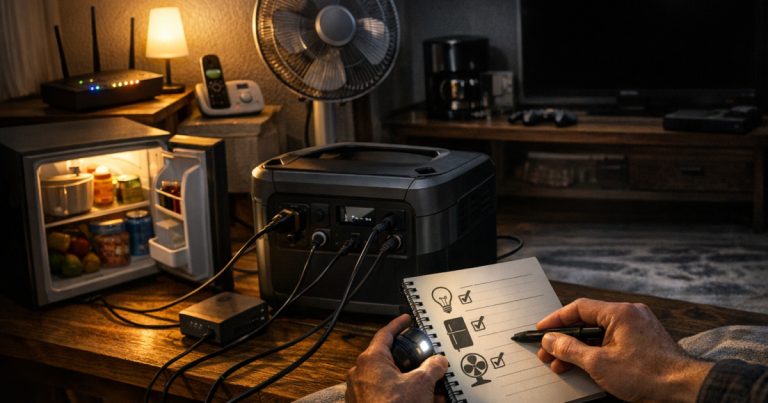
A clear pecking order keeps essential loads running longer and helps you avoid wasting backup power on the wrong things.
Read article →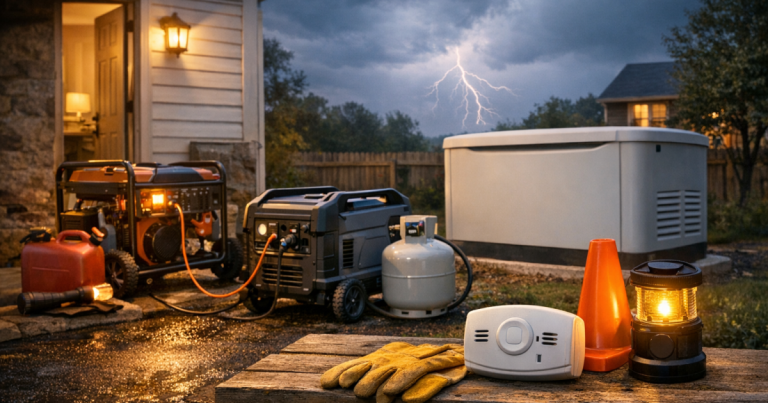
Choose backup power with fewer surprises: understand generator types, load limits, fuel trade-offs, and the safety rules that matter at home.
Read article →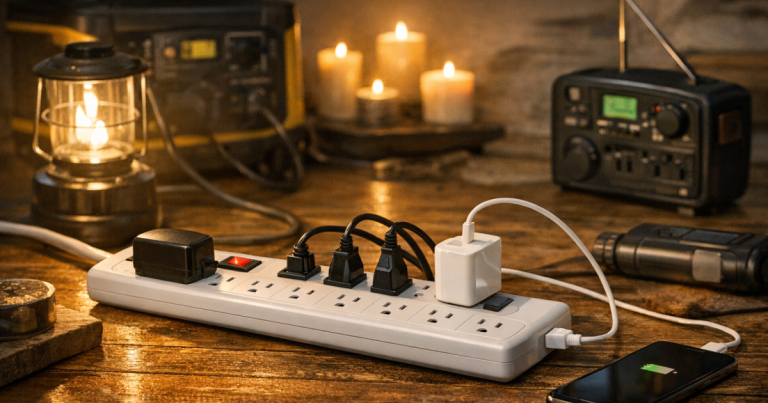
A budget surge strip can tidy outage electronics, but it is not backup power. Here’s where this 8-outlet option makes sense.
Read article →
When taps, toilets, or well pumps stop cooperating, a simple household routine can prevent stress, mess, and unsafe shortcuts.
Read article →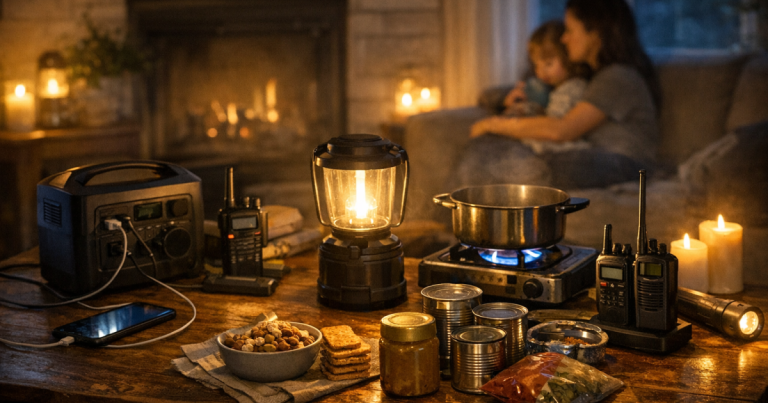
When the power drops, a simple plan keeps phones charged, food safer, nights calmer, and risky generator mistakes off the table.
Read article →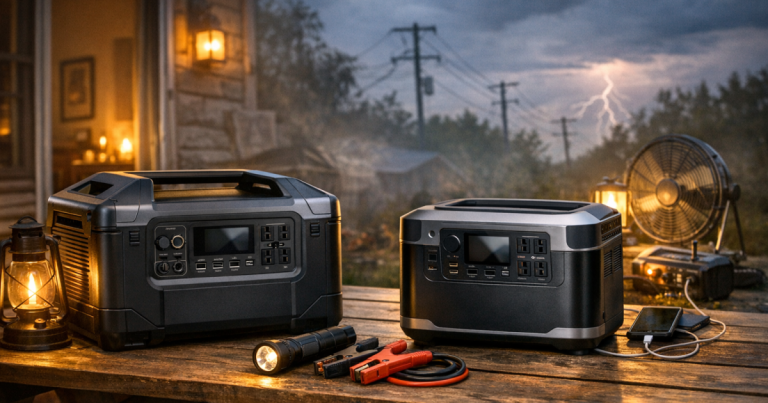
Battery chemistry affects runtime planning, weight, storage, and long-term use when your backup power has to carry a real blackout.
Read article →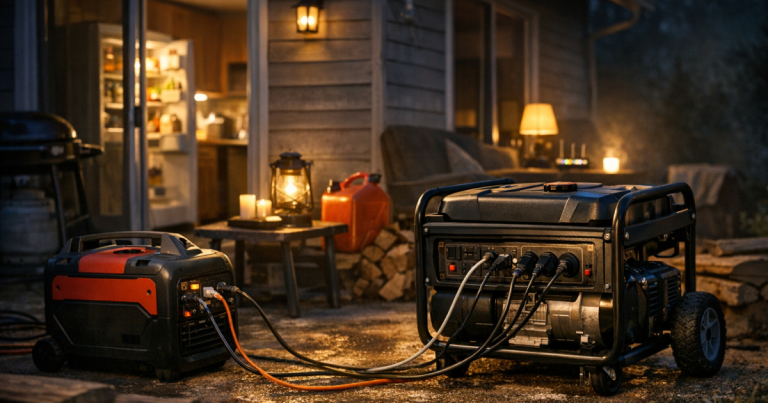
Keep the fridge, lights, router, and key appliances in view before you oversize—or undersize—your blackout generator.
Read article →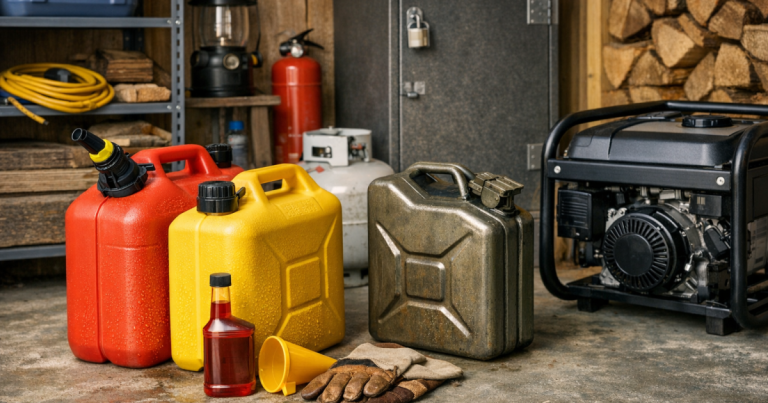
Fuel that is old, mislabeled, or stored poorly can turn a good generator plan into a problem when the lights go out.
Read article →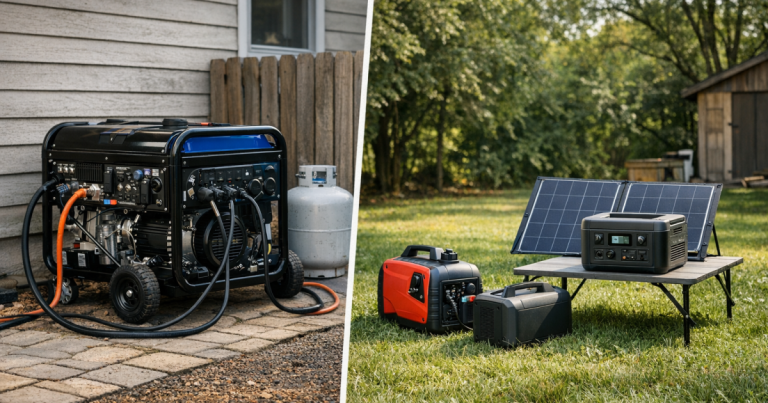
High-output tri-fuel backup can cover serious household loads, but this generator asks for space, planning, and proper connections.
Read article →