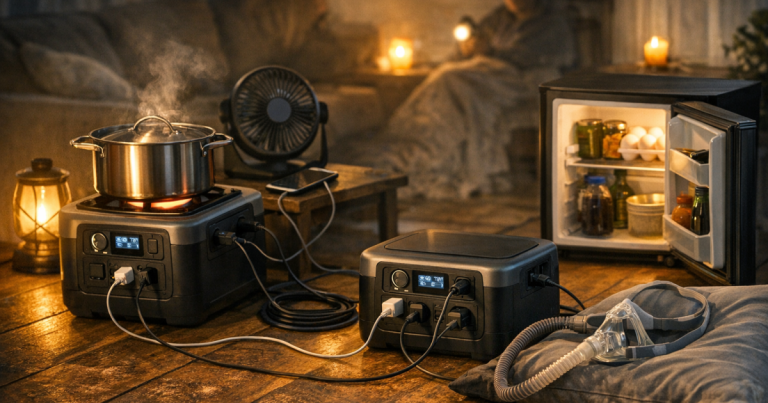
Portable Power Stations
Portable Power Stations for Home Backup: What They Can and Cannot Do
Know which blackout loads a battery can realistically handle before you count on it for heat, cooking, refrigeration, or medical needs.
Read article →
From the team
Oliver Bennett covers home blackout backup planning, turning practical questions into clear explanations and useful decisions readers can act on.
Browse articles
Know which blackout loads a battery can realistically handle before you count on it for heat, cooking, refrigeration, or medical needs.
Read article →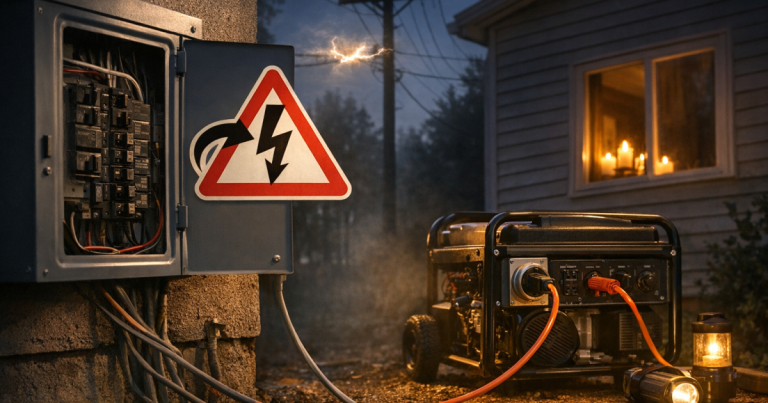
A safe outage setup starts with one rule: your generator must never energize utility lines or a cord in the wrong direction.
Read article →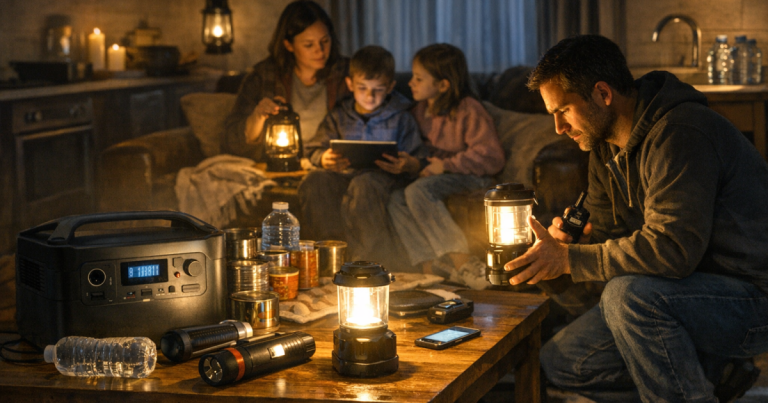
Test your lights, food plan, water routine, communications, and backup power before the next outage makes decisions harder.
Read article →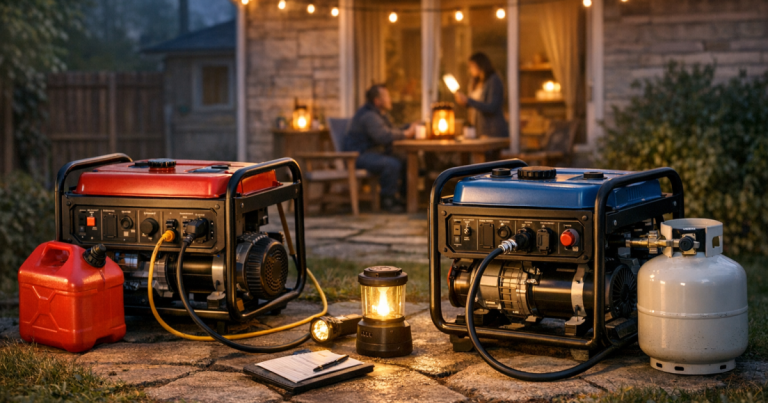
Gasoline gives flexibility; propane stores cleanly. The trick is sizing around real outage loads, not the biggest number on the box.
Read article →
A compact emergency food bucket can simplify blackout meals, but water, sodium, allergens and serving realism shape the decision.
Read article →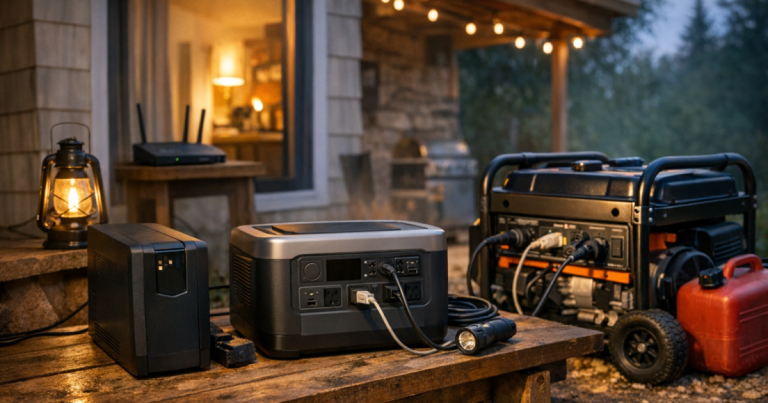
Keep the router, lights, and fridge plan organized by giving each backup device a clear job before the next outage.
Read article →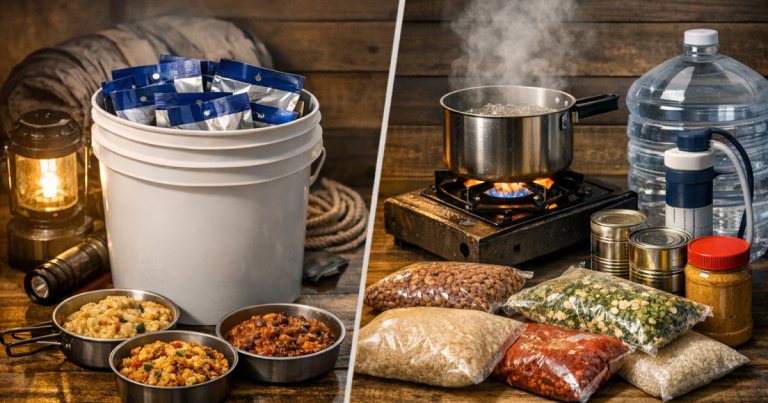
Shelf-stable meals help only if your water plan is ready. Here’s where this bucket fits in a realistic blackout pantry.
Read article →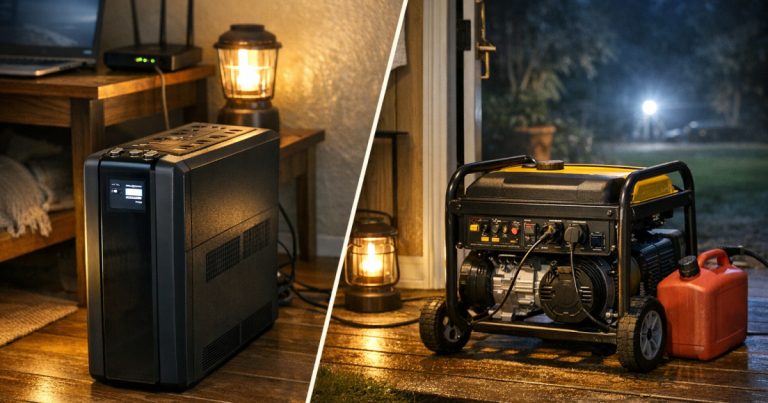
A UPS can save work, protect networking gear, and buy time during short outages—but it is not a whole-home backup plan.
Read article →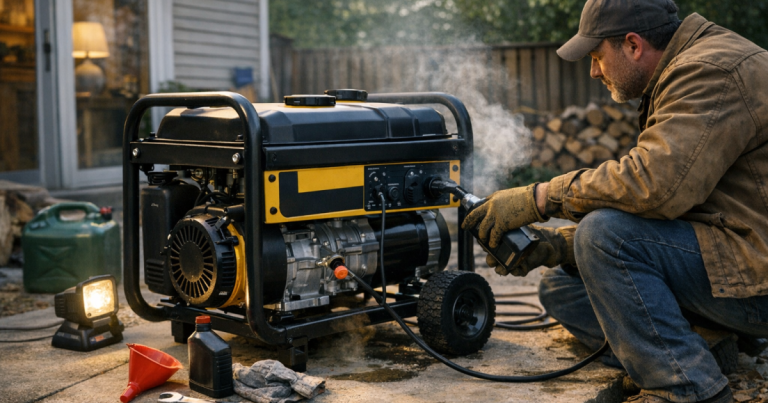
Do the first run on your own schedule, not during a storm. A clean break-in helps reveal leaks, bad oil habits, and…
Read article →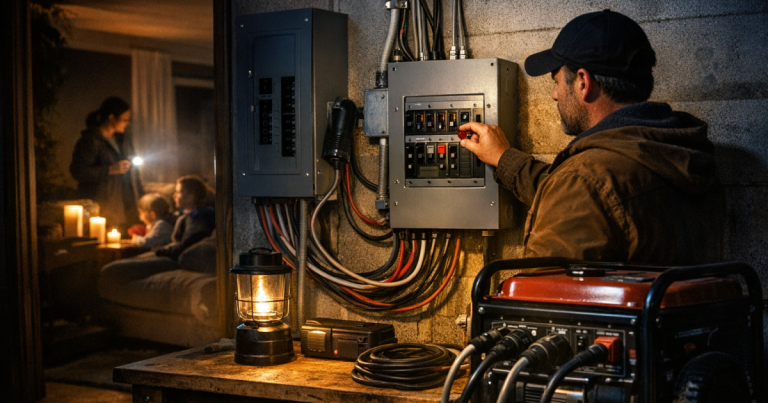
Keep essential circuits powered without backfeeding, overloads, or cord chaos when the grid goes down.
Read article →