Backup Power Basics
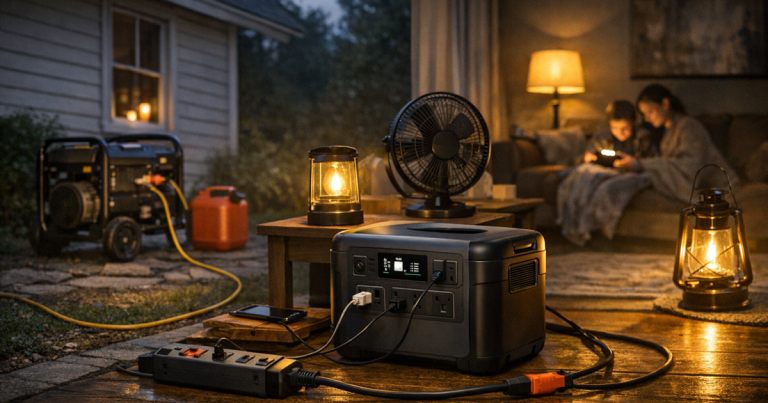
Home Backup Power Safety Basics for Outages
Keep essentials running without creating new hazards: safe generator placement, cord use, battery limits, and load planning.
Read article →
Archive
Freshly published
Keep essentials running without creating new hazards: safe generator placement, cord use, battery limits, and load planning.
Read article →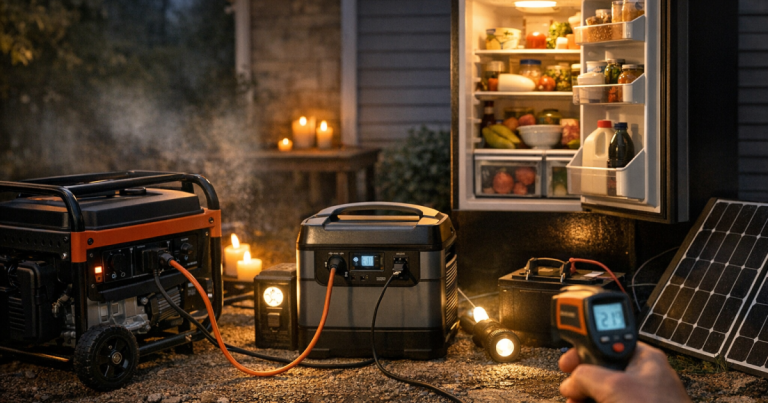
Keep food colder for longer with a safe plan for fridge power, cords, generators, batteries, and temperature checks.
Read article →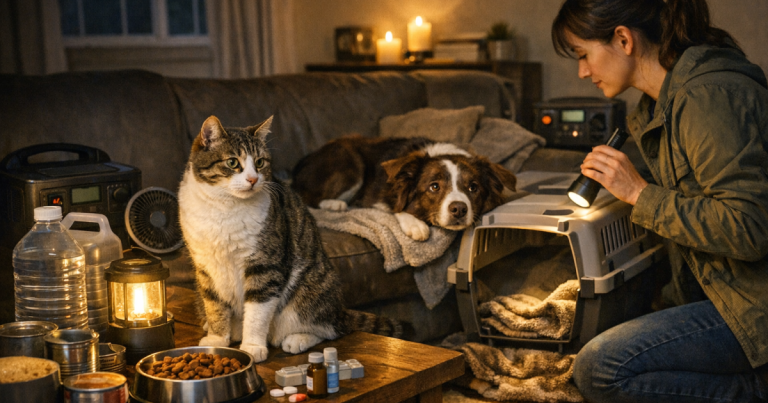
Pets need more than a flashlight plan. Build a calm, safe outage routine for food, water, temperature, medication, and confinement.
Read article →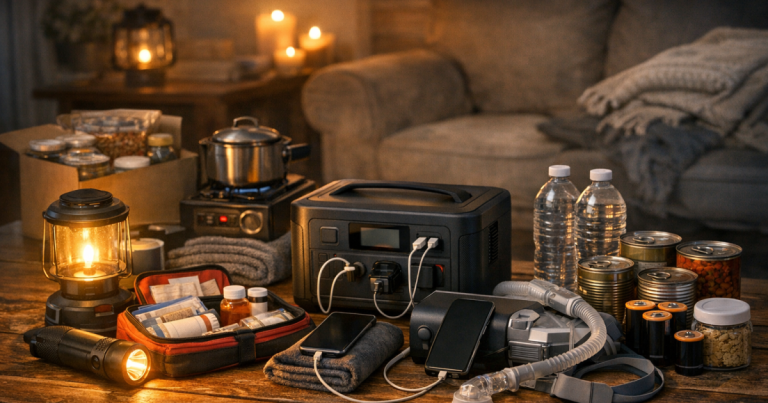
Keep lights, food, phones, medical needs, and backup power organized before the grid goes quiet.
Read article →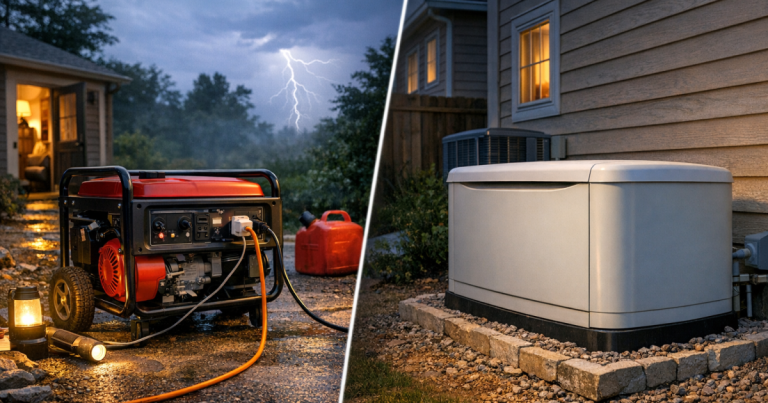
The right generator depends on what you need to keep running, how long outages last, and how much setup you want to…
Read article →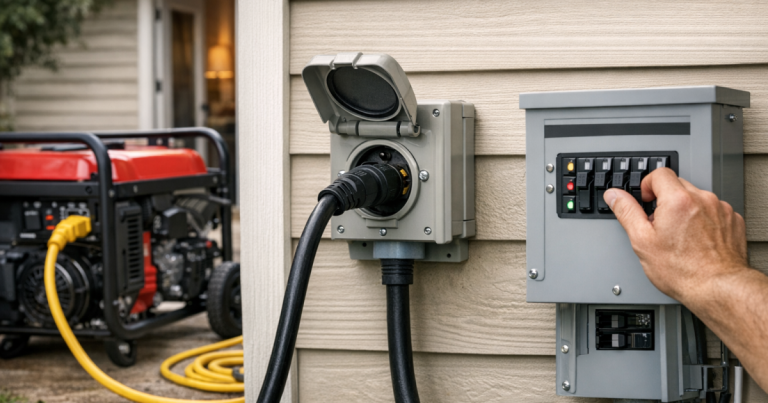
Safer blackout power starts with the right connection path: cords for small loads, inlets and transfer switches for circuits.
Read article →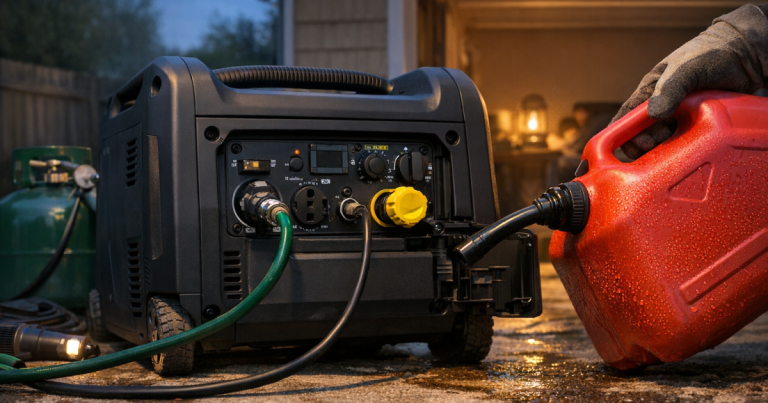
A dual-fuel inverter generator can simplify outage planning, but this one is best for essential 120V loads—not whole-home backup.
Read article →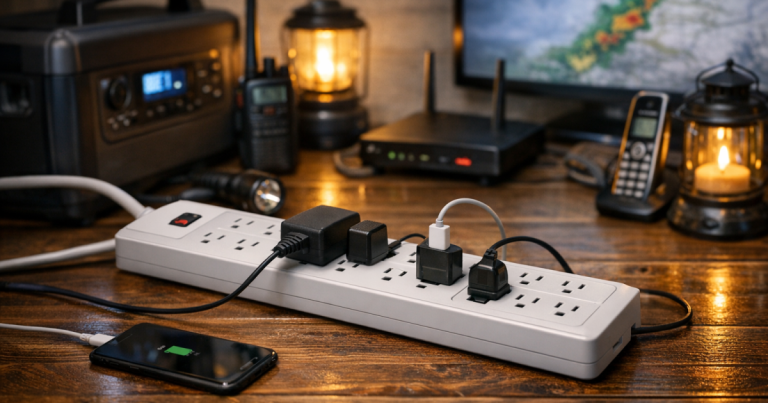
Useful for protecting plugged-in electronics you already own, but it is legacy surge protection, not blackout backup power.
Read article →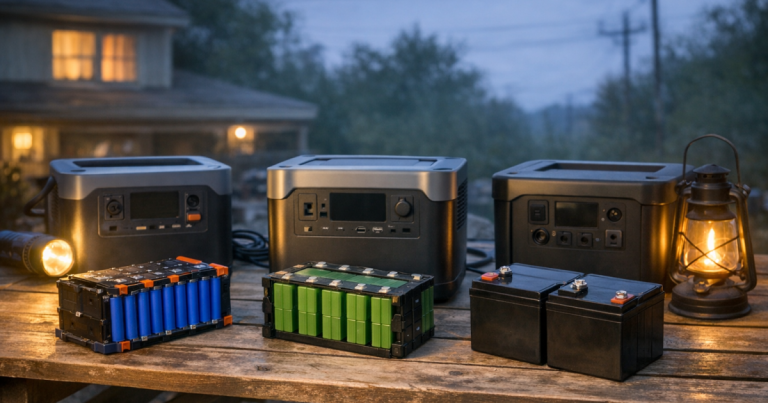
Battery chemistry affects runtime expectations, storage habits, weight, and safety during a real blackout.
Read article →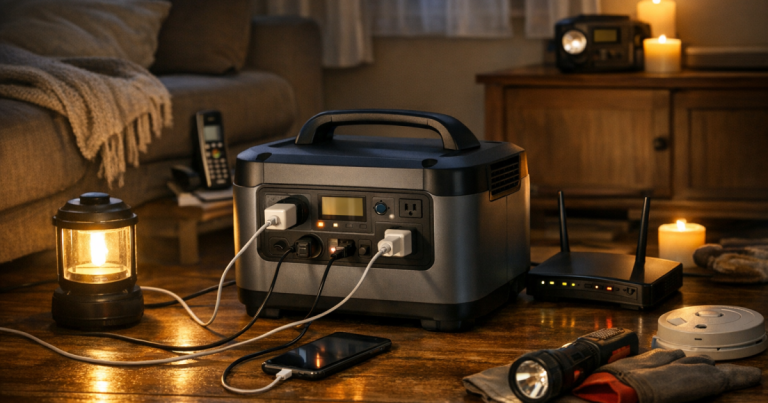
Run lights, phones, routers, and small essentials indoors without turning a battery into a new outage hazard.
Read article →