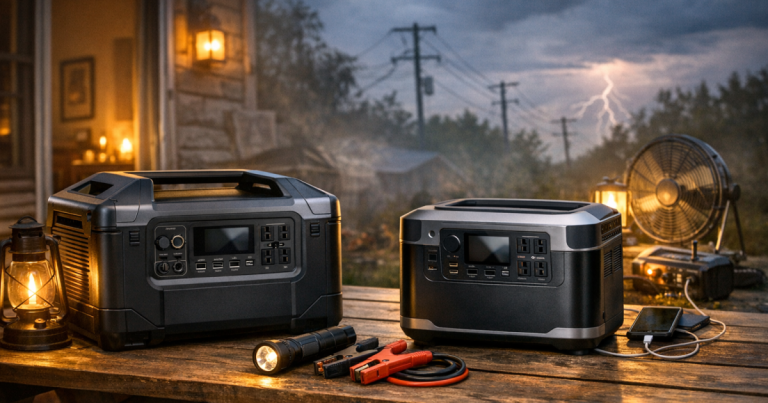
LiFePO4 or NMC Portable Power Stations: Which Battery Chemistry Makes Sense for Outages?
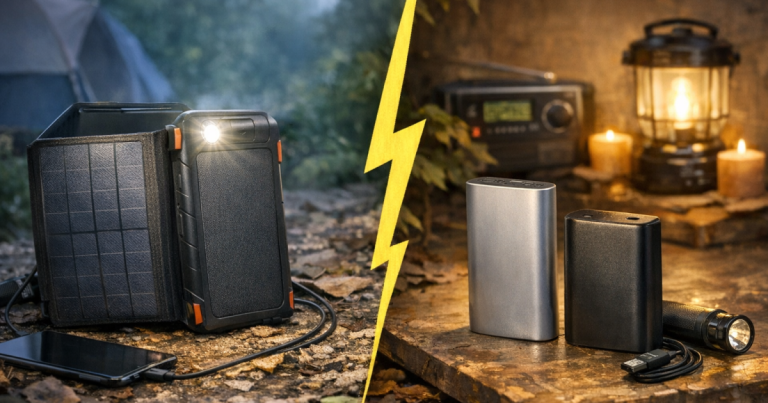
Battery chemistry affects runtime planning, weight, storage, and long-term use when your backup power has to carry a real blackout.
Read article →Archive
Freshly published

Battery chemistry affects runtime planning, weight, storage, and long-term use when your backup power has to carry a real blackout.
Read article →
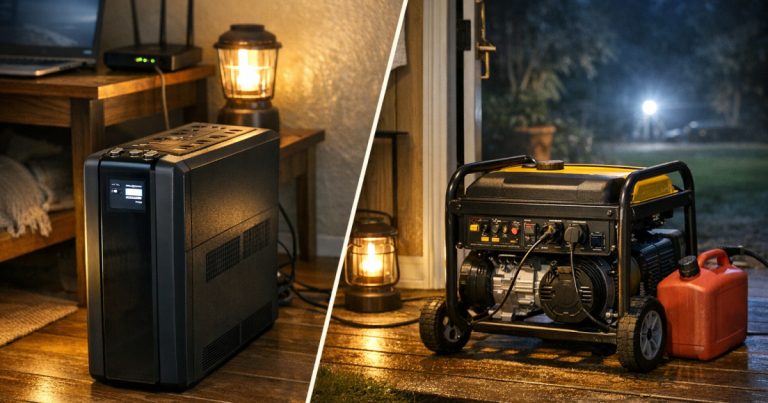
A UPS can save work, protect networking gear, and buy time during short outages—but it is not a whole-home backup plan.
Read article →
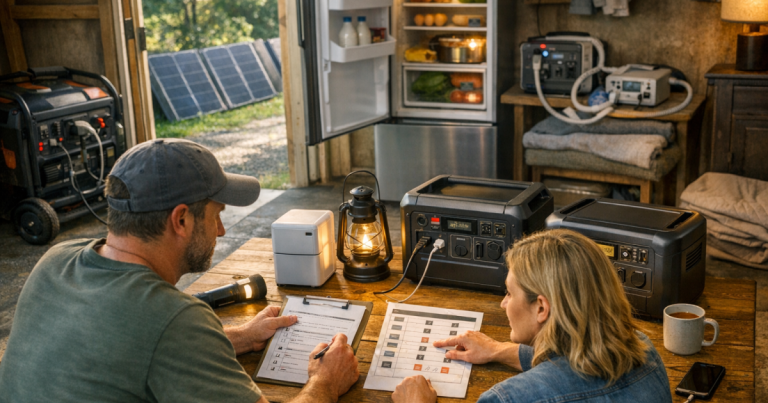
Cover the fridge, phones, lights, and medical needs first—then decide whether extra capacity is worth the cost and setup effort.
Read article →
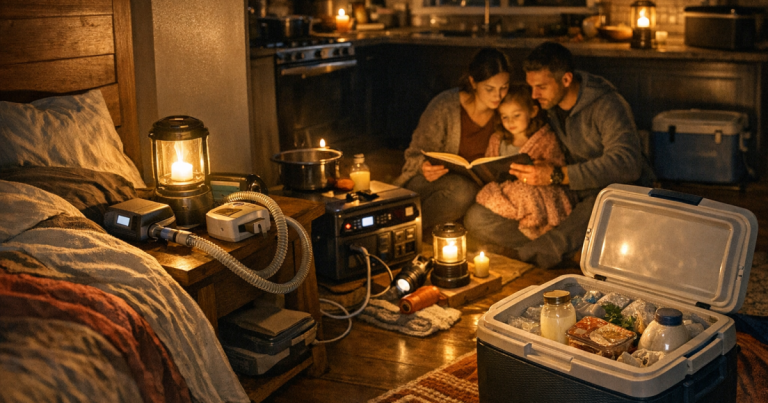
Night outages are easier to handle when lights, medical needs, food safety, and sleep plans are settled before bedtime.
Read article →
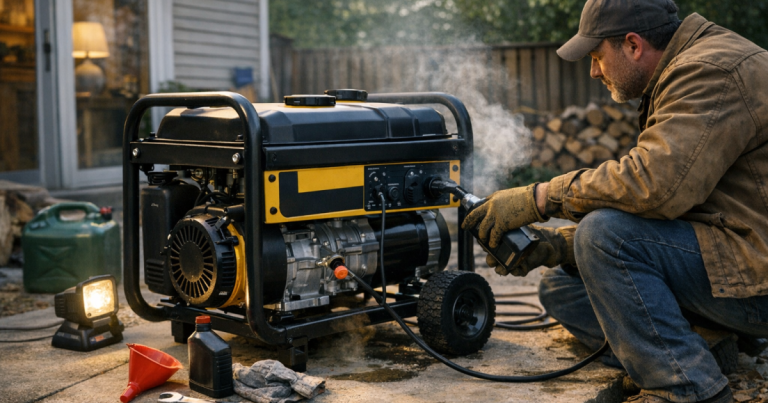
Do the first run on your own schedule, not during a storm. A clean break-in helps reveal leaks, bad oil habits, and…
Read article →
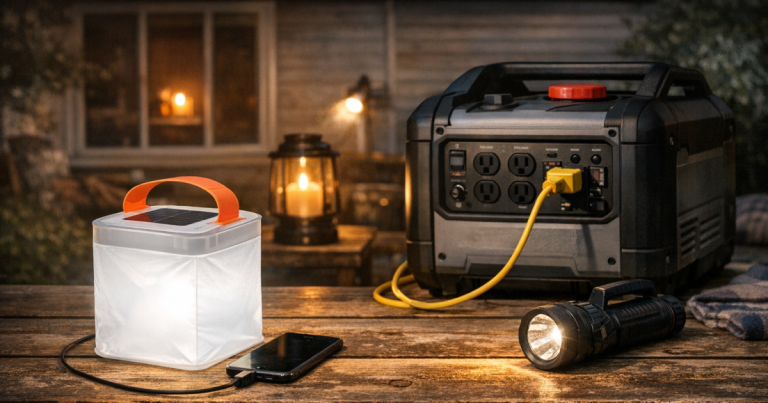
A compact lantern can be enough for the right outage job, but its 2000 mAh battery sets clear limits.
Read article →
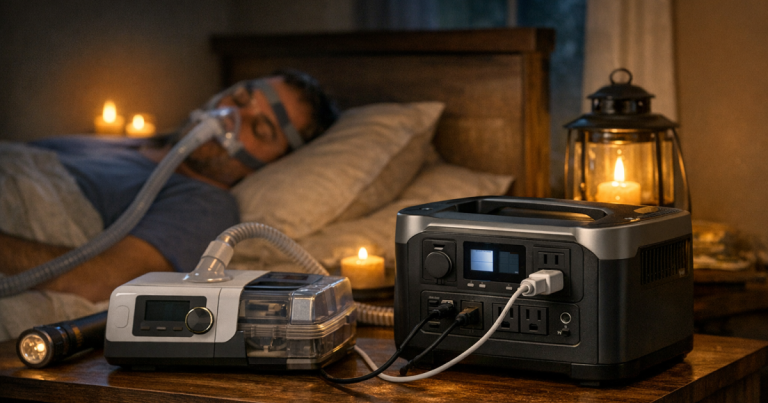
Nighttime backup power is about comfort, therapy, and enough runtime—not guesswork when the lights go out.
Read article →
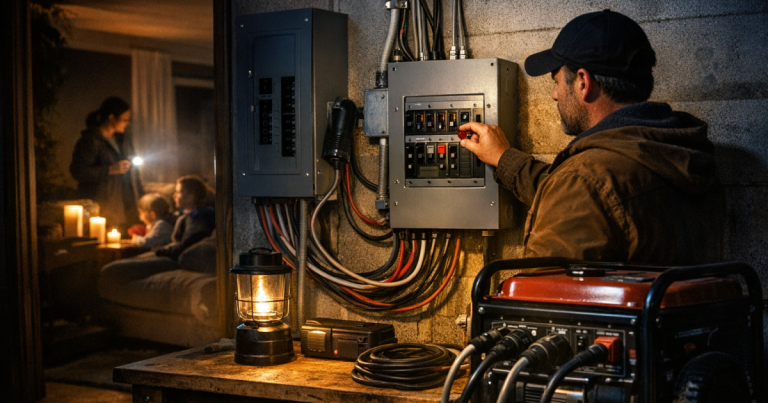
Keep essential circuits powered without backfeeding, overloads, or cord chaos when the grid goes down.
Read article →
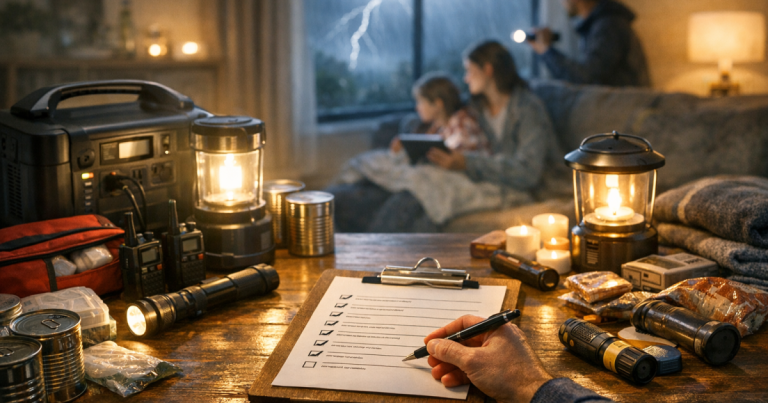
Storm outages feel less chaotic when the essentials are already assigned, charged, stored, and easy to find.
Read article →
Useful if you already own one, but its slow solar refill and legacy status make it a niche blackout backup choice.
Read article →