
Outage Planning
How to Build a Room-by-Room Blackout Plan
Blackouts get easier when each room has a job, a backup light, and a clear power priority before the storm arrives.
Read article →
Make sense of home blackout backup planning with clear guides, honest reviews and practical comparisons. Whether you are weighing up a purchase or exploring the subject, Outage Essentials helps you focus on the details that matter.
Browse articles
Blackouts get easier when each room has a job, a backup light, and a clear power priority before the storm arrives.
Read article →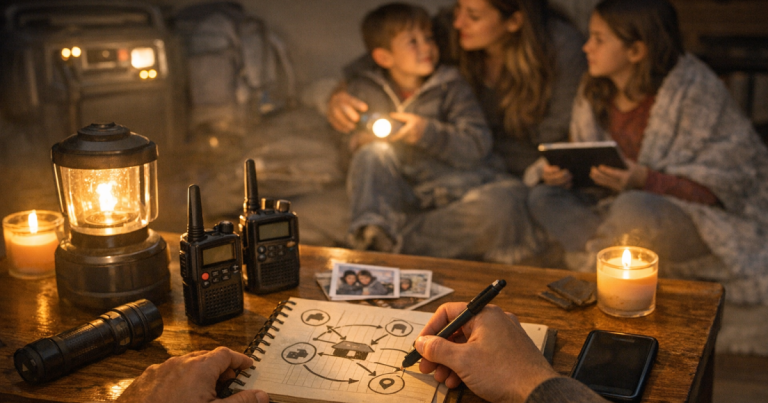
Power cuts get calmer when everyone knows how to check in, where to meet, and what to do if phones stop working.
Read article →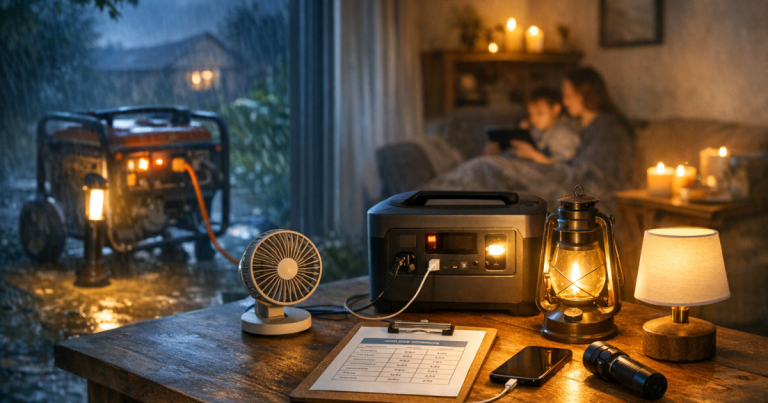
Keep essentials running without overspending or overloading your setup by matching watts, runtime, and priorities to real blackout scenarios.
Read article →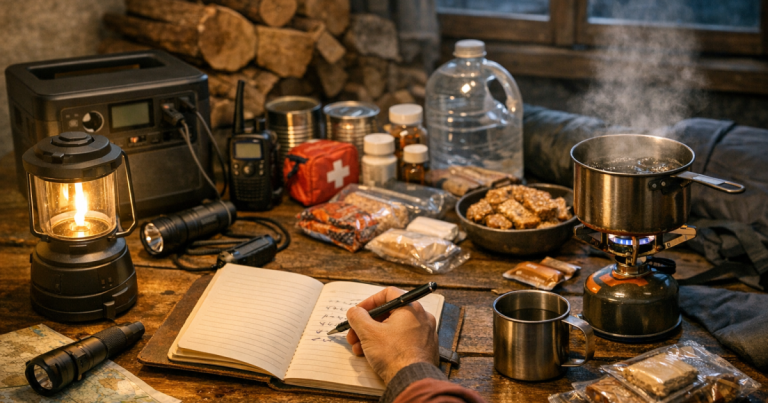
Three days is long enough for food, fuel, heat, medications, and internet plans to matter. Build a calm checklist before the lights…
Read article →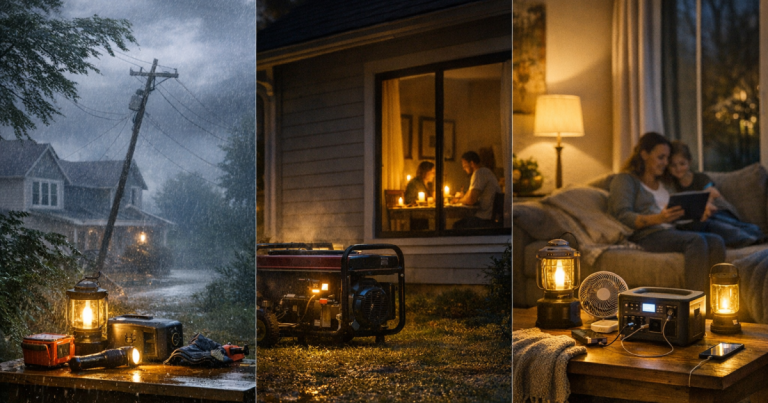
Short outages, storm failures, and multi-day blackouts all need different plans. Match your setup to the outage you’re most likely to face.
Read article →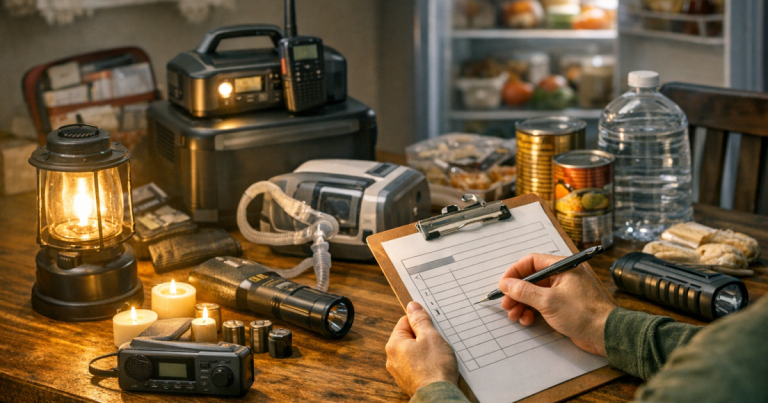
Find the weak points in your outage plan before the lights go out, from medical needs and food safety to backup power…
Read article →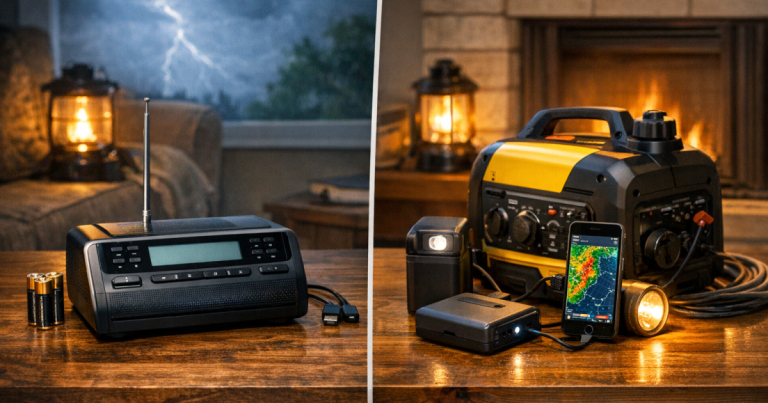
Localized alerts are the point here: a tabletop NOAA radio can simplify storm prep, but the AA backup and USB limits shape…
Read article →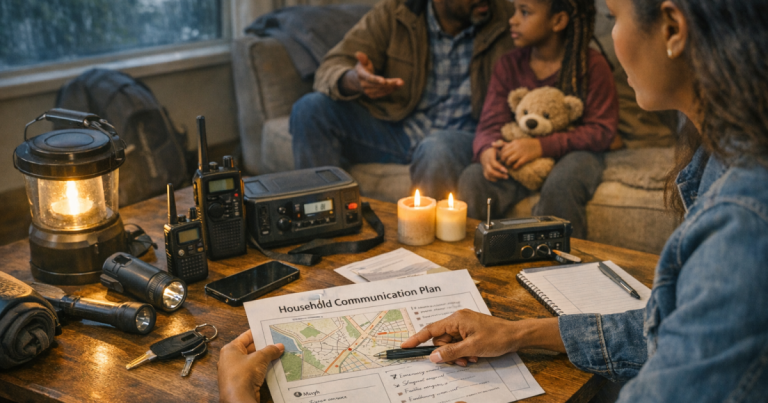
When power and cell service get shaky, a simple family plan keeps everyone reachable, calm, and clear on what to do next.
Read article →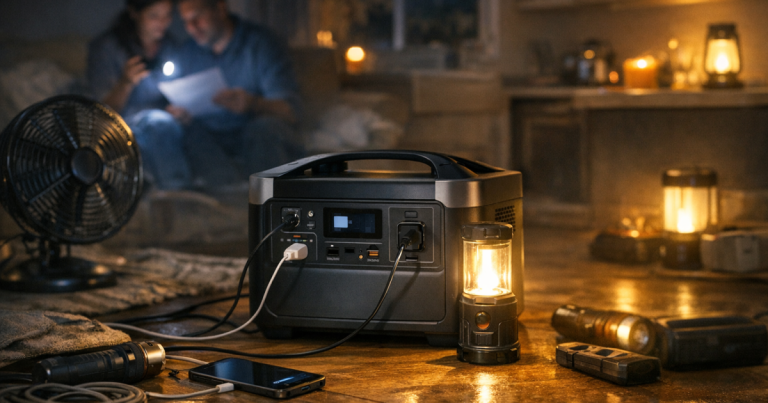
Keep the essentials running without overspending on capacity you cannot use. Start with loads, runtime, charging and safety.
Read article →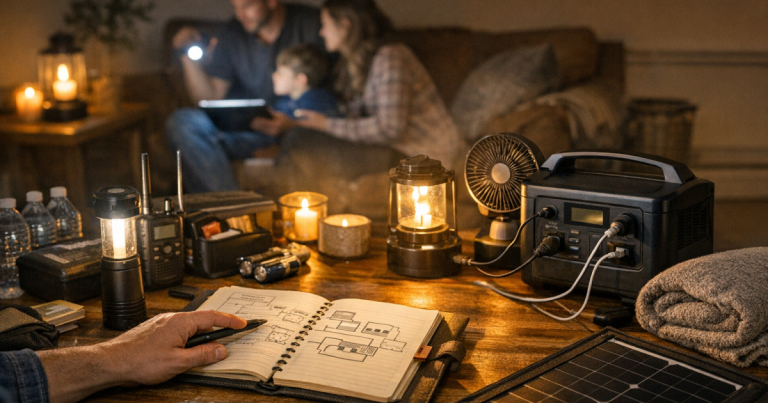
Blackouts feel less chaotic when everyone knows what to do first, what to power, and when to change course.
Read article →