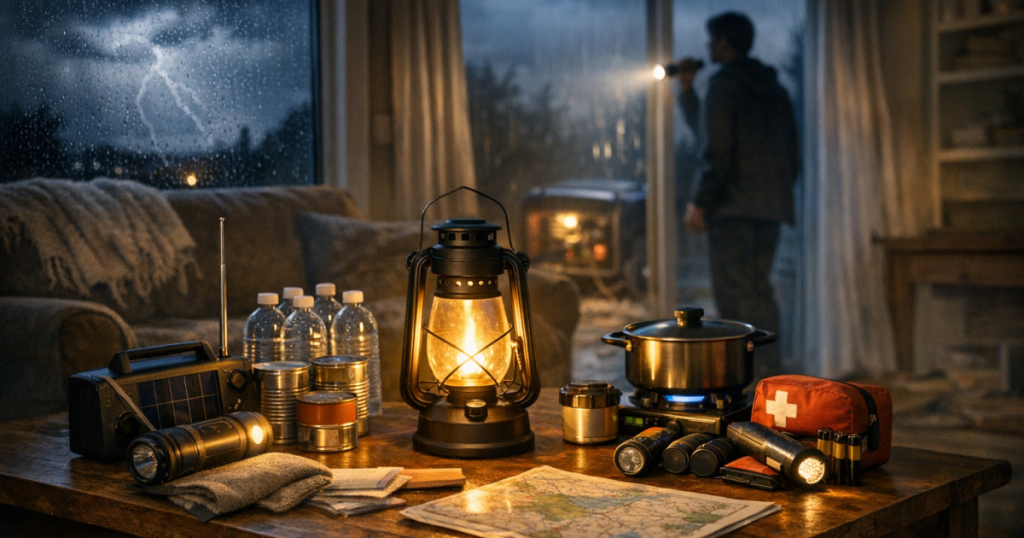
A useful outage plan starts with time, not gear. The right home blackout readiness target depends on your climate, medical needs, work demands, food storage, and how often your area loses power.
For many US households, a 72-hour plan is the practical baseline. From there, you can scale up or down based on the risks that actually affect your home.
Generator transfer switches, interlocks, hardwired furnace connections, and any work involving household wiring should be handled by a qualified electrician to meet local code, manufacturer instructions, and electrical safety requirements.
The big picture
Most homes should be prepared to stay safe and reasonably functional for at least three days without grid power. That does not mean running every appliance as usual. It means keeping people warm or cool enough, preserving key food and medications, maintaining communication, and safely powering a short list of essentials.
A good planning target looks like this:
- 12 hours: Enough for a typical evening outage, router backup, phones, flashlights, fridge discipline, and basic comfort.
- 24 hours: A stronger plan for storm outages, remote work disruption, sump pump concerns, and refrigerated food protection.
- 72 hours: The best baseline for most households because it covers many weather-related outages without assuming help arrives immediately.
- 5 to 7 days: Sensible for rural homes, medically vulnerable households, areas with wildfire shutoffs, frequent ice storms, or limited road access.
The goal is not to build a bunker. It is to decide how long your home needs to remain livable, then match your power, water, food, light, heat, cooling, and communication plans to that duration.
Why 72 hours is the baseline for many homes
A three-day target is long enough to expose weak spots but still realistic for ordinary households. It forces better choices than a one-evening kit without requiring a whole-home backup system.
In 72 hours, phones need multiple charges, flashlights need a battery plan, refrigerated food becomes a real concern, and comfort problems show up. A house that feels fine for six hours can become stressful by the second night if there is no safe lighting, no way to receive updates, and no plan for a cold bedroom or a hot upstairs room.
Three days also creates a useful planning boundary. You can ask practical questions: Which devices truly matter? How much water should be stored? Can the fridge stay cold if it is opened only when necessary? How will the household sleep if the HVAC is out?
If you need a sharper way to sort priorities, start by making a short essential-load list. This is where it helps to decide which devices matter before thinking about generators, batteries, or solar charging.
What “ready” should mean at each duration
Ready for 12 hours
A 12-hour outage plan should cover the basics without much setup. Think of a summer thunderstorm that knocks out power after dinner or a winter outage that lasts overnight.
- Keep phones charged and have a way to recharge them at least once.
- Use battery lanterns instead of candles for safer room lighting.
- Keep the fridge and freezer closed as much as possible.
- Have a NOAA weather radio or another reliable alert method.
- Know where flashlights, medication, glasses, pet supplies, and keys are.
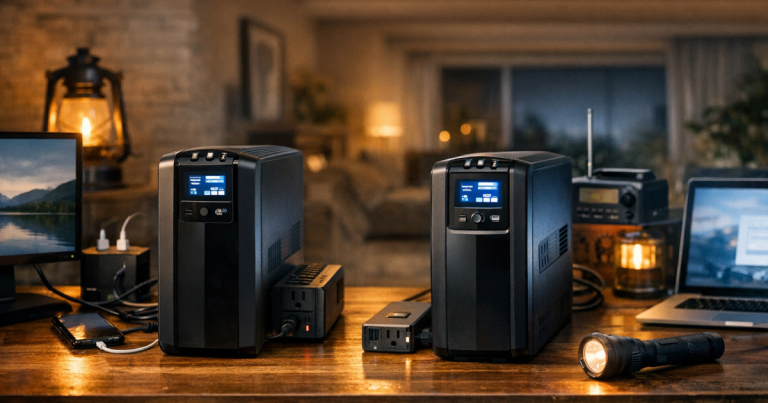
For this duration, small batteries, UPS units for networking gear, and rechargeable lanterns can make a big difference. You do not need to solve every appliance problem immediately. The main job is to reduce confusion, protect communication, and avoid unsafe improvisation.
Ready for 24 hours
A full-day blackout adds food, temperature, and work concerns. If you work from home, a 24-hour outage can mean missing meetings, losing internet, or draining laptop batteries before the grid comes back.
This is also when refrigerators and freezers need more attention. The exact safe window depends on temperature, how full the appliance is, and how often the door is opened. Use appliance thermometers where food safety matters, and follow USDA food safety guidance when food has been above 40°F for too long.
At 24 hours, your plan should answer these questions:
- Can each adult charge a phone more than once?
- Can you power a modem, router, or hotspot long enough to get updates or work briefly?
- Can you keep essential medications at the required temperature?
- Do you have no-cook meals and manual ways to open packaged food?
- Can everyone sleep safely if the house is warmer or colder than normal?
Ready for 72 hours
A 72-hour plan should feel boring when it works well. You have enough light, water, food, charging, and safe warmth or cooling to get through several days without making risky decisions at midnight.
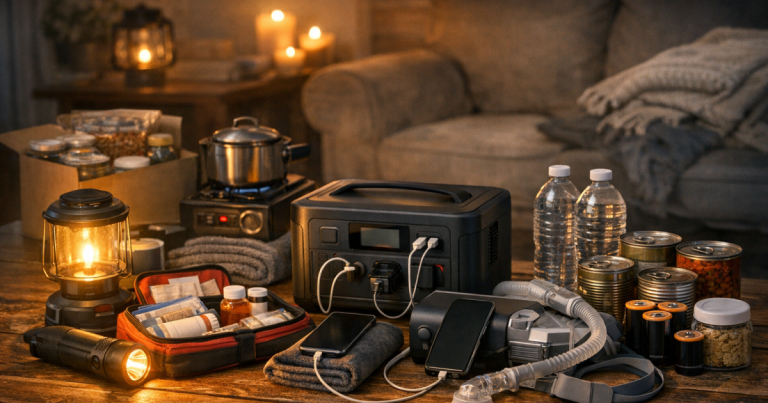
For power, this usually means choosing a very short list: phones, lighting, internet gear, a fridge or freezer if practical, medical devices, and possibly a fan, sump pump, or furnace controls depending on your home. It does not mean running the oven, central air conditioning, electric dryer, and every outlet as if nothing happened.
If backup power is part of your plan, learn the difference between watts, watt-hours, surge loads, fuel use, and runtime. A clear primer on home backup power basics can prevent overspending and unsafe assumptions.
Ready for 5 to 7 days
A weeklong target is not excessive for every household. It becomes reasonable when outages are predictable, road access can be limited, or losing power creates a serious medical, heating, or water problem.
Consider a longer target if you live in a rural area, depend on a well pump, experience hurricane or ice storm outages, are in a wildfire public safety power shutoff region, or have household members who rely on powered medical equipment. A longer plan also makes sense when elderly relatives, infants, or mobility limitations make evacuation harder.
At this level, planning becomes less about one battery and more about systems: fuel storage, generator maintenance, safe connection methods, water supply, medication continuity, communication, and neighbor support. It may also include backup heat strategies, a transfer switch for selected circuits, or a plan to relocate before conditions become unsafe.
The household factors that change your target
There is no single blackout duration that fits everyone. A downtown apartment, a suburban home with natural gas heat, and a rural house with a private well have very different weak points.
- Medical needs: CPAP machines, oxygen concentrators, refrigerated medications, mobility equipment, and powered beds can raise the target from convenience planning to essential planning.
- Heating and cooling: Extreme heat and cold shorten the time a home remains safe without HVAC, especially for older adults, infants, and people with health conditions.
- Water dependence: Municipal water may continue during many outages, but well pumps usually need power. If your toilet, shower, or drinking water depends on electricity, plan longer and more carefully.
- Food storage: A packed freezer is worth protecting. A mostly empty fridge in a household with shelf-stable food may be less urgent.
- Work and communication: Remote workers may need internet and laptop power long before the house itself becomes uncomfortable.
- Neighborhood risk: Urban outages may be restored quickly, while rural lines, mountain roads, and storm-damaged areas can take longer.
The right answer is personal, but the method is consistent: identify what fails first, then decide whether you can tolerate it for 12 hours, 24 hours, three days, or longer.
Power planning should follow the time target
Many people start with a generator or power station and then try to make their outage plan fit the device. It works better the other way around.
First, list the essentials. Then estimate how long each one needs to run. A phone might need short charging sessions. A fridge cycles on and off. A medical device may need predictable overnight power. A sump pump may draw power only when water rises, but the consequence of failure can be serious.
Once you know the duration, you can estimate whether a battery, UPS, portable power station, generator, or combination makes sense. Runtime is never guaranteed because real loads vary, but you can get close enough to plan responsibly. Use a worksheet approach to calculate backup power runtime before relying on any setup during a storm.
For indoor use, portable power stations and UPS units are quiet and do not produce exhaust, but they are limited by stored energy and recharge options. Fuel-powered generators can run larger loads for longer, but they must stay outside, far from doors, windows, vents, garages, crawlspaces, and enclosed areas because carbon monoxide can be deadly. Refuel only after the generator is shut down and cooled according to the manufacturer’s instructions.
Food, water, and comfort often matter as much as electricity
Backup power gets attention because it feels like the central problem. In real outages, small non-power decisions often make the biggest difference.
Store enough drinking water for your planning target. A common emergency planning baseline is one gallon per person per day, plus extra for pets, sanitation, baby formula, or medical needs. If your water system depends on electricity, your plan should include stored water before the outage starts, not after taps stop running.
For food, build a simple shelf-stable layer: items your household actually eats, that do not need refrigeration, and that can be prepared without an electric stove. A manual can opener belongs in the same place. If you use a camp stove or grill, use it outdoors only, never inside a kitchen, garage, porch enclosure, or tent.
Comfort planning is not luxury planning. Heat, humidity, cold bedrooms, darkness, and silence can make people anxious and tired. Battery lanterns, warm layers, cooling towels, fans powered only when needed, board games, downloaded entertainment, and a normal bedtime routine can keep a household calmer during a long outage.
A simple way to set your own blackout duration
Use a three-step method instead of guessing.
Step 1: Pick your minimum safe duration
Ask how long your home can be without grid power before safety becomes an issue. For some homes, that is 12 hours in extreme heat. For others, it is three days in mild weather. Medical equipment, well water, sump pumps, and cold climates can lower your tolerance.
Step 2: Pick your comfort duration
This is how long you want to remain reasonably comfortable, connected, and able to function. It may be longer than the safety duration. For many families, the comfort target is 24 to 72 hours.
Step 3: Pick your evacuation or relocation trigger
Some homes should not try to ride out every outage. If indoor temperature becomes unsafe, a medical device cannot be powered, flood risk rises, or roads may close, leaving early can be the better plan. Write down the trigger before a storm arrives so the decision is not made under stress.
When a shorter plan is reasonable
Not every household needs a week of supplies and backup power. A shorter plan may be reasonable if you live in an area with historically brief outages, have no critical electrical medical needs, can relocate easily, have nearby family, and can tolerate a temporary loss of internet or refrigeration.
Renters may also face limits on generator use, fuel storage, balcony rules, and building policies. In that case, focus on safe indoor options: lighting, phone charging, a UPS for networking gear, shelf-stable food, water, and a relocation plan.
A shorter plan should still be deliberate. “We can leave by hour 18 if power is not back” is a plan. “We will figure it out later” is where outages become harder than they need to be.
When a longer plan is the safer choice
Plan beyond 72 hours if a blackout would quickly affect health, sanitation, access, or property protection. This includes homes with powered medical equipment, limited mobility, well pumps, sump pump dependence, rural roads, wildfire shutoff risk, hurricane exposure, or winter storm isolation.
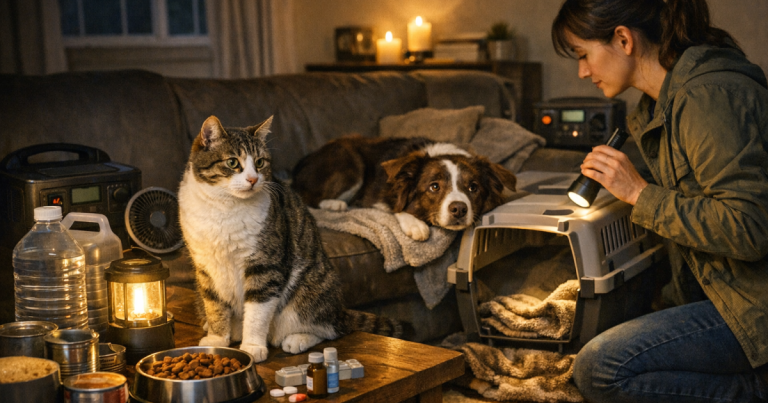
Longer planning also helps households that cannot easily shop at the last minute. If you care for children, older adults, pets, or someone with dietary restrictions, a deeper pantry and better medication plan can matter more than another gadget.
For a seven-day target, rotate supplies into normal use so they do not expire unnoticed. Test your lighting, charging, and cooking plan on a calm weekend. Check generator fuel, extension cords, carbon monoxide alarms, and battery charge levels before storm season, not during the outage.
Common questions
Is 24 hours enough blackout preparation?
It can be enough for low-risk households with short local outages and an easy place to relocate. For most homes, 24 hours is a useful first milestone, but 72 hours gives a better margin for storms and delayed restoration.
How much water should I store for a three-day outage?
A common baseline is one gallon per person per day, so three people would store at least nine gallons for three days. Add more for pets, medical needs, hot weather, hygiene, and any household that depends on an electric well pump.
Should I plan to power the whole house?
Usually not. Most households are better served by powering selected essentials safely. Whole-house backup can be convenient, but it requires proper sizing, fuel planning, code-compliant installation, and realistic expectations.
What if I work from home?
Treat internet, laptop charging, phone service, and lighting as essential loads. Also decide how long you can work from battery backup alone and when you would move to a library, coworking space, relative’s home, or other powered location.
How often should I review the plan?
Review it at least twice a year and before peak storm, wildfire, or winter weather seasons in your area. Update it when you add medical equipment, change internet gear, buy a freezer, move homes, or change household members.
Main lessons
For most households, three days is the right starting target. It is long enough to protect the essentials, short enough to plan for realistically, and flexible enough to scale up for medical, rural, storm, or wildfire risks.
Strong home blackout readiness is not about owning the biggest backup system. It is about knowing how long your home needs to function, choosing the few things that matter most, and setting clear limits before the lights go out.