Outage Planning
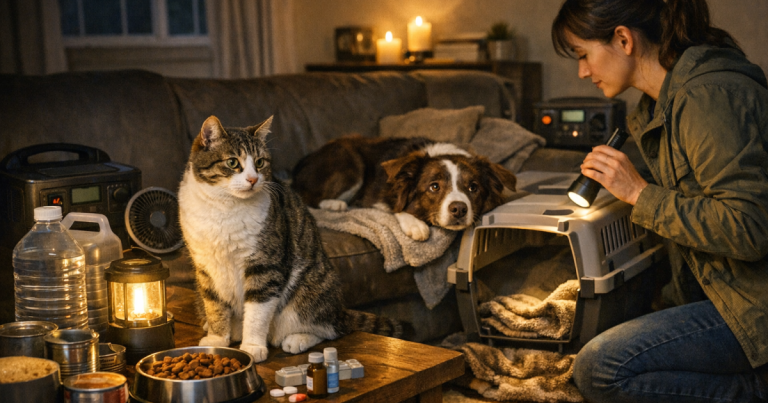
How to Plan for a Blackout With Pets at Home
Pets need more than a flashlight plan. Build a calm, safe outage routine for food, water, temperature, medication, and confinement.
Read article →
Make sense of home blackout backup planning with clear guides, honest reviews and practical comparisons. Whether you are weighing up a purchase or exploring the subject, Outage Essentials helps you focus on the details that matter.
Browse articles
Pets need more than a flashlight plan. Build a calm, safe outage routine for food, water, temperature, medication, and confinement.
Read article →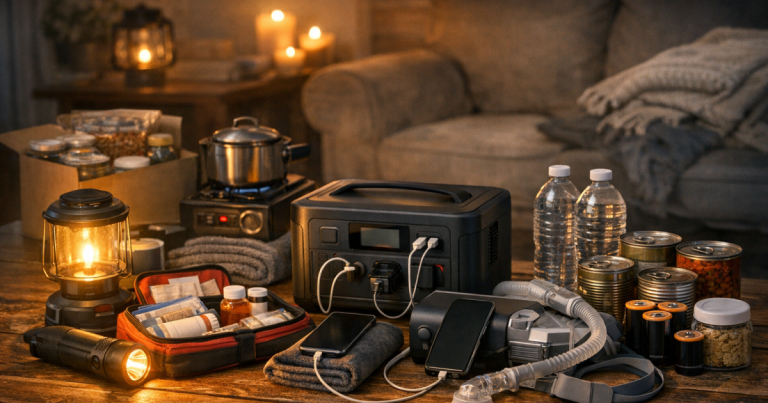
Keep lights, food, phones, medical needs, and backup power organized before the grid goes quiet.
Read article →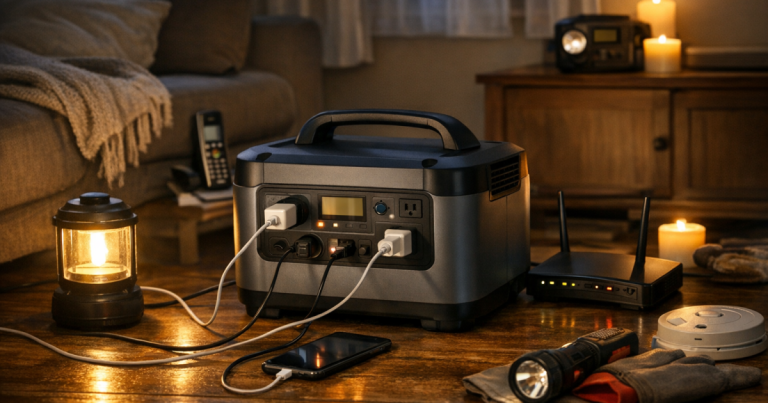
Run lights, phones, routers, and small essentials indoors without turning a battery into a new outage hazard.
Read article →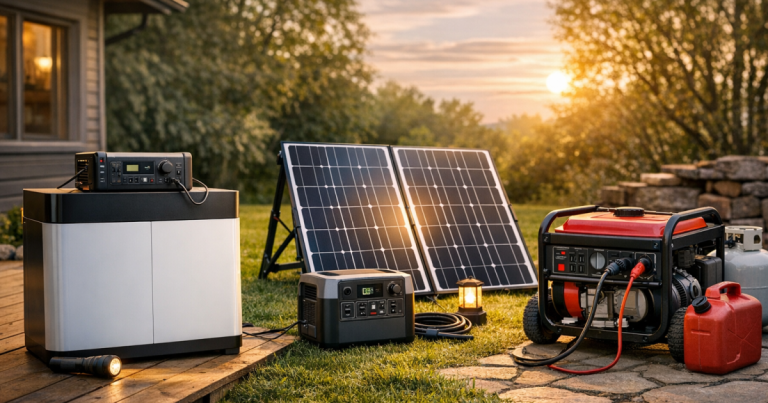
Batteries, solar charging, and generators solve different outage problems. Match the setup to your loads, runtime needs, home type, and safety limits.
Read article →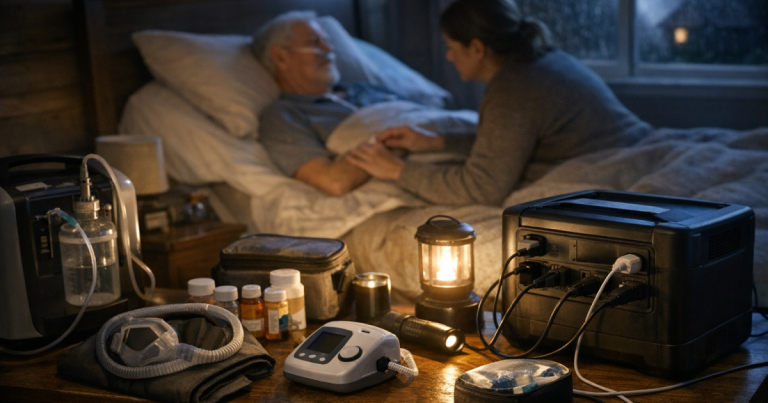
Keep essential medical devices powered, medications protected, and caregivers informed when the grid goes down.
Read article →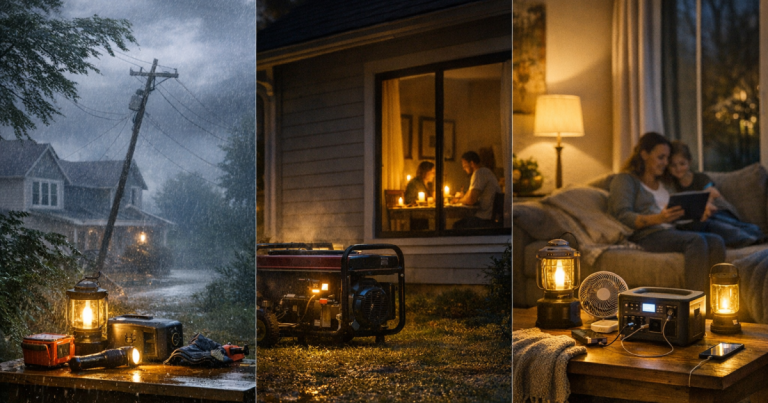
Short outages, storm failures, and multi-day blackouts all need different plans. Match your setup to the outage you’re most likely to face.
Read article →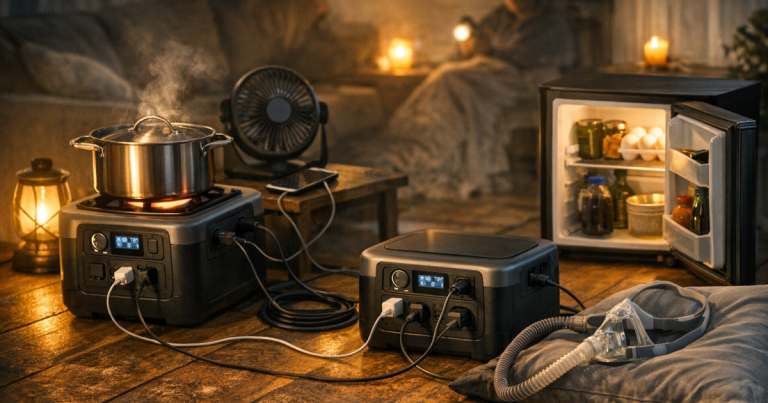
Know which blackout loads a battery can realistically handle before you count on it for heat, cooking, refrigeration, or medical needs.
Read article →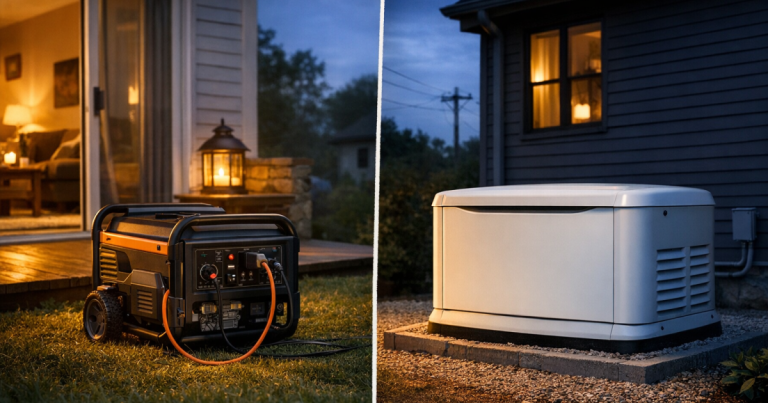
The right outage setup depends on what must keep running, how long outages last, and whether you need automatic power.
Read article →
A compact emergency food bucket can simplify blackout meals, but water, sodium, allergens and serving realism shape the decision.
Read article →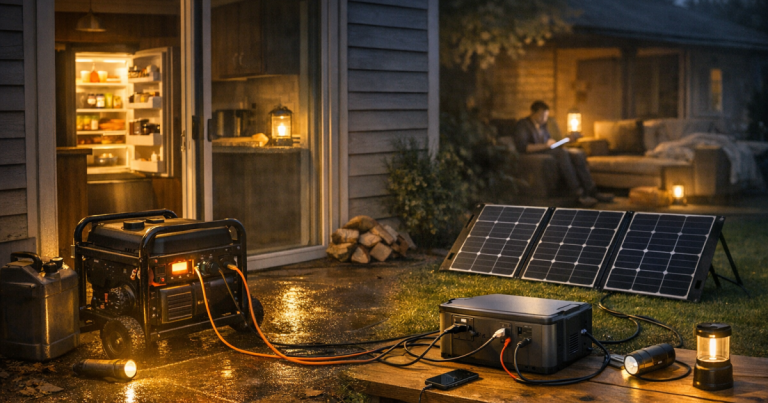
Keep the fridge cold, phones charged, and essentials running by understanding what backup power can and cannot do during a blackout.
Read article →