Backup Power Basics
Home Backup Power Safety Basics for Outages
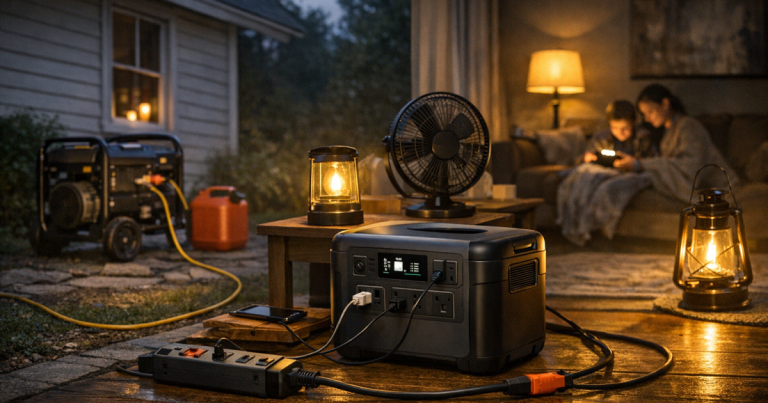
Keep essentials running without creating new hazards: safe generator placement, cord use, battery limits, and load planning.
Read article →
Make sense of home blackout backup planning with clear guides, honest reviews and practical comparisons. Whether you are weighing up a purchase or exploring the subject, Outage Essentials helps you focus on the details that matter.
Browse articles
Keep essentials running without creating new hazards: safe generator placement, cord use, battery limits, and load planning.
Read article →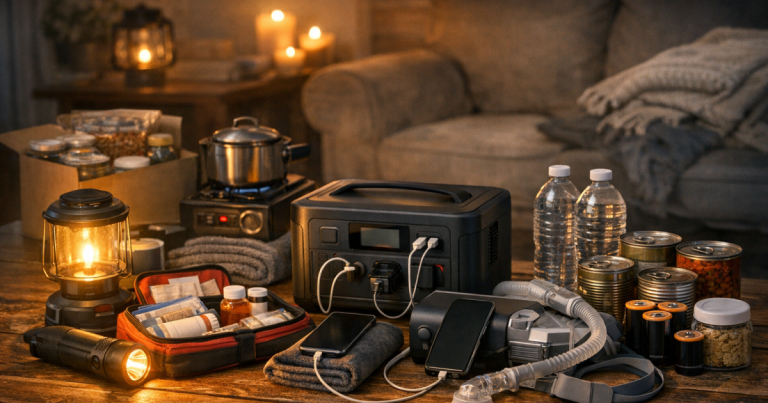
Keep lights, food, phones, medical needs, and backup power organized before the grid goes quiet.
Read article →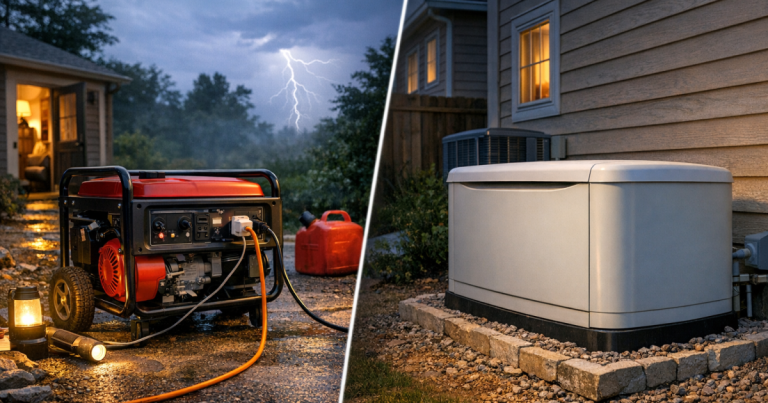
The right generator depends on what you need to keep running, how long outages last, and how much setup you want to…
Read article →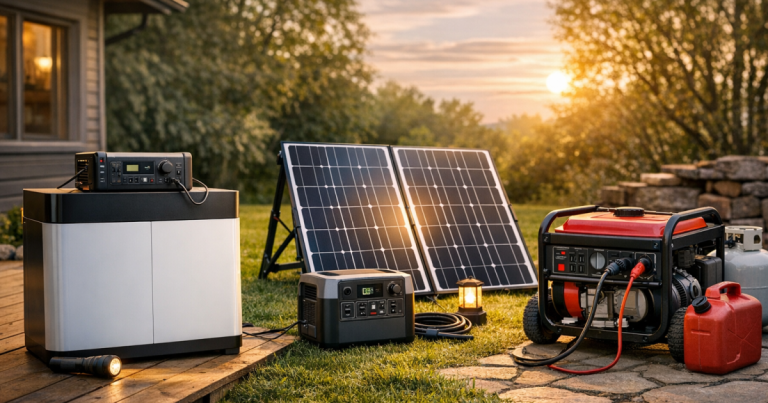
Batteries, solar charging, and generators solve different outage problems. Match the setup to your loads, runtime needs, home type, and safety limits.
Read article →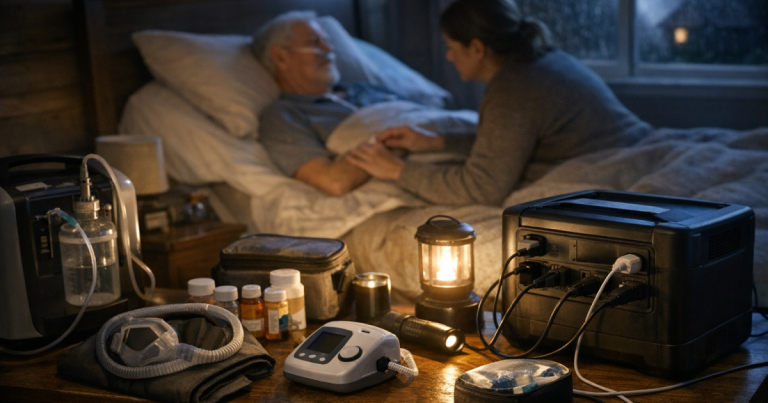
Keep essential medical devices powered, medications protected, and caregivers informed when the grid goes down.
Read article →
Blackouts get easier when each room has a job, a backup light, and a clear power priority before the storm arrives.
Read article →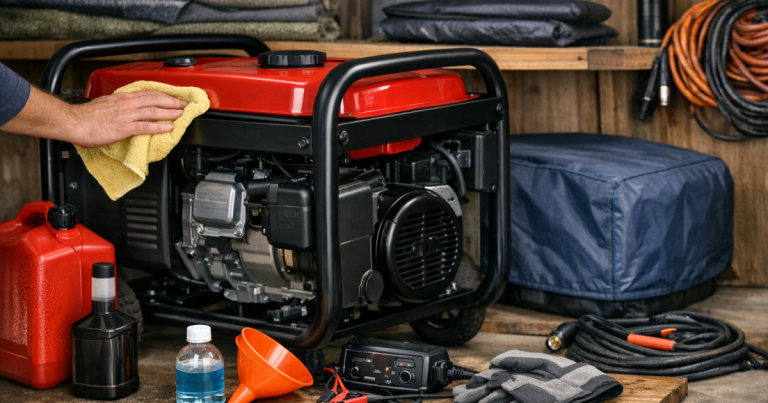
A stored generator should be clean, safe, fueled correctly, and ready to start when the next outage arrives.
Read article →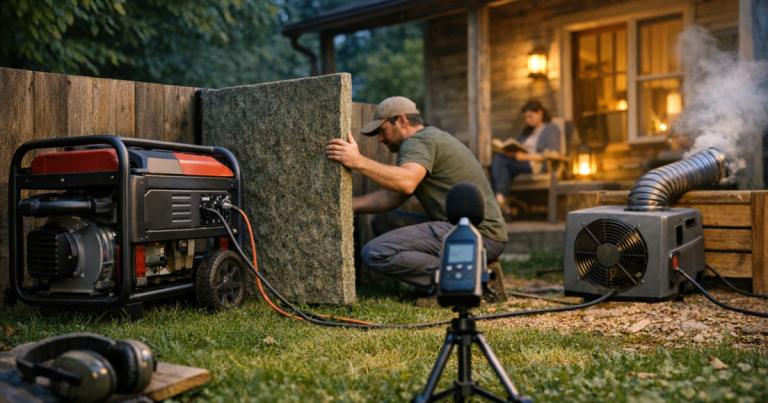
Generator noise is annoying, but the wrong quieting trick can trap heat or carbon monoxide. Use safer distance, barriers, and load habits.
Read article →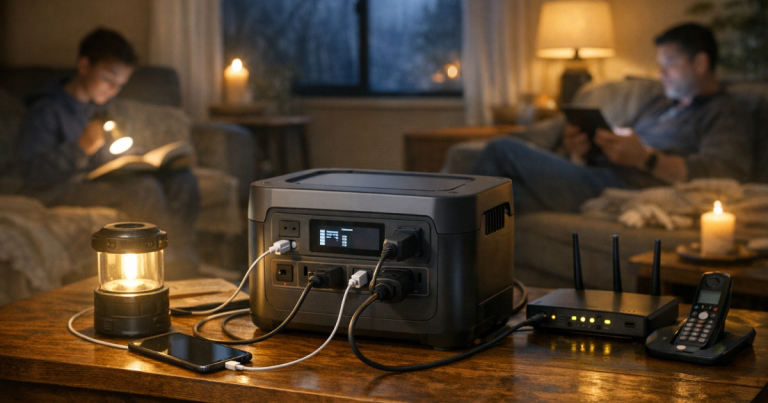
Keep the lights, router, phones, and small essentials running with fewer surprises when the grid drops out.
Read article →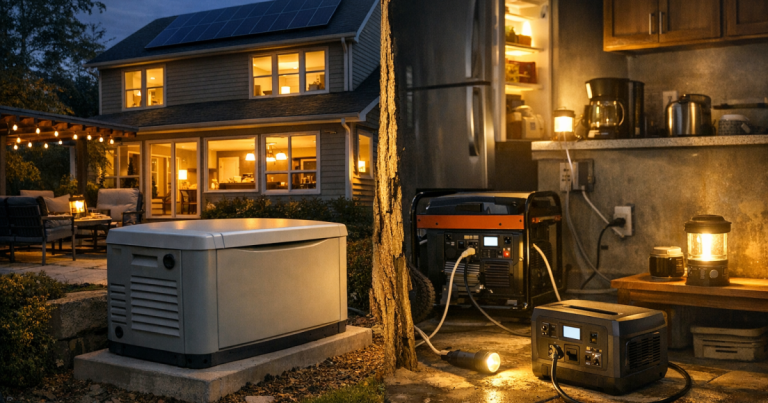
Most homes need fewer circuits than they think. The right plan depends on comfort, fuel, budget, and what must stay on.
Read article →