
Outage Planning
How to Build a 72-Hour Home Outage Plan
Three days is long enough for food, fuel, heat, medications, and internet plans to matter. Build a calm checklist before the lights…
Read article →
Make sense of home blackout backup planning with clear guides, honest reviews and practical comparisons. Whether you are weighing up a purchase or exploring the subject, Outage Essentials helps you focus on the details that matter.
Browse articles
Three days is long enough for food, fuel, heat, medications, and internet plans to matter. Build a calm checklist before the lights…
Read article →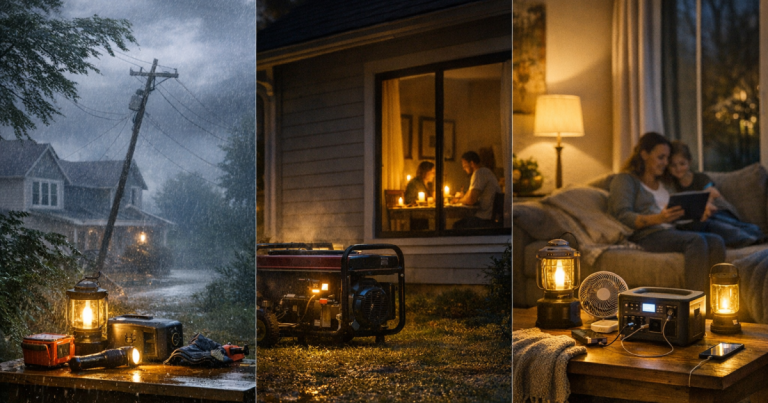
Short outages, storm failures, and multi-day blackouts all need different plans. Match your setup to the outage you’re most likely to face.
Read article →
Fuel choice affects runtime, storage, refueling, noise planning, and whether your backup setup is realistic during a long outage.
Read article →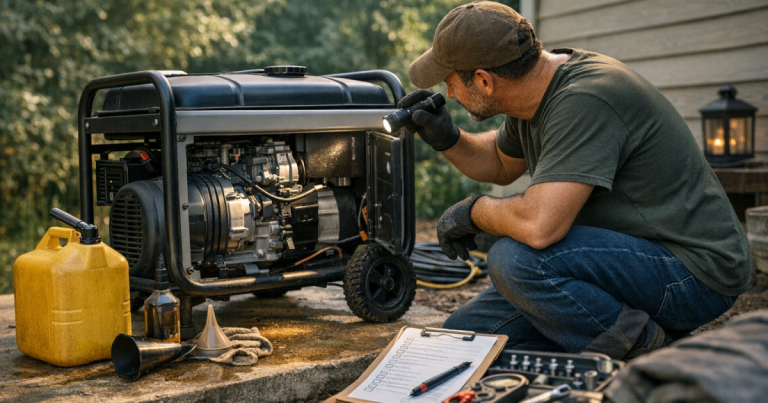
A generator that sits for months can surprise you at the worst time. Keep yours ready with a calm, repeatable monthly check.
Read article →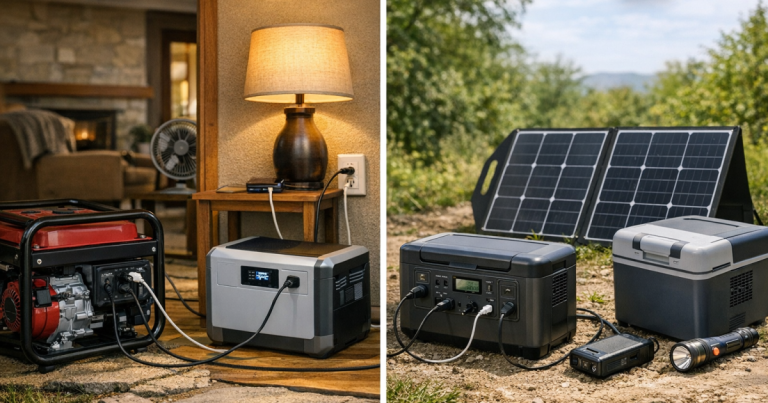
Know which outage devices need wall-style power, battery power, or an inverter before the lights go out.
Read article →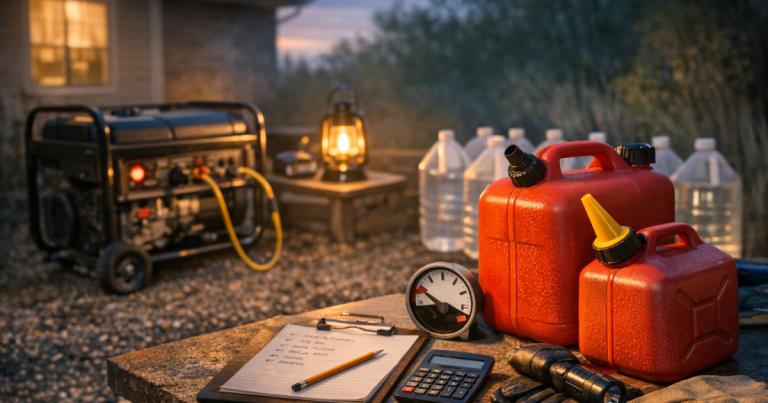
A long outage gets easier when you know how much fuel your essentials need and how to stretch it safely over several…
Read article →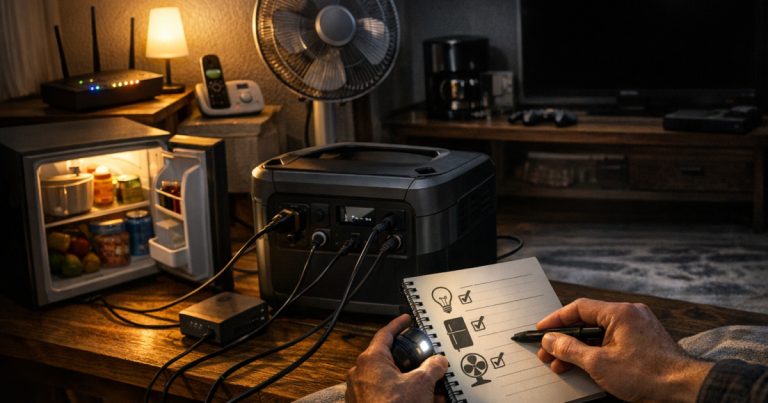
A clear pecking order keeps essential loads running longer and helps you avoid wasting backup power on the wrong things.
Read article →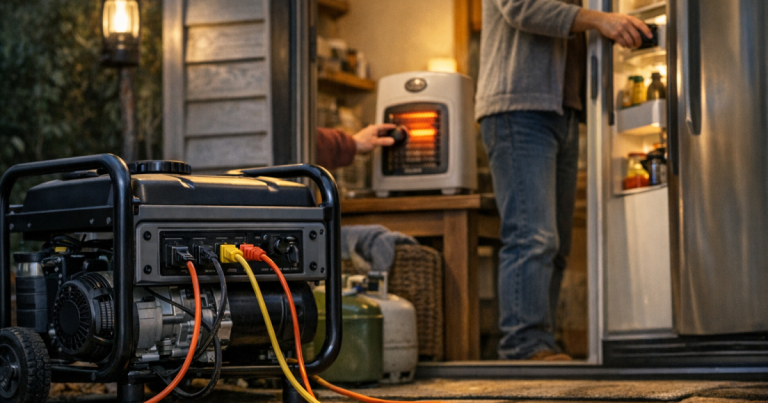
Keep essentials running longer by giving each appliance a turn without tripping the generator or risking unsafe hookups.
Read article →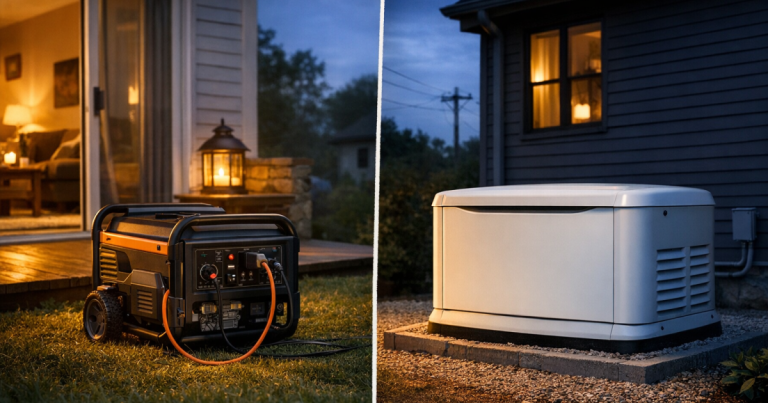
The right outage setup depends on what must keep running, how long outages last, and whether you need automatic power.
Read article →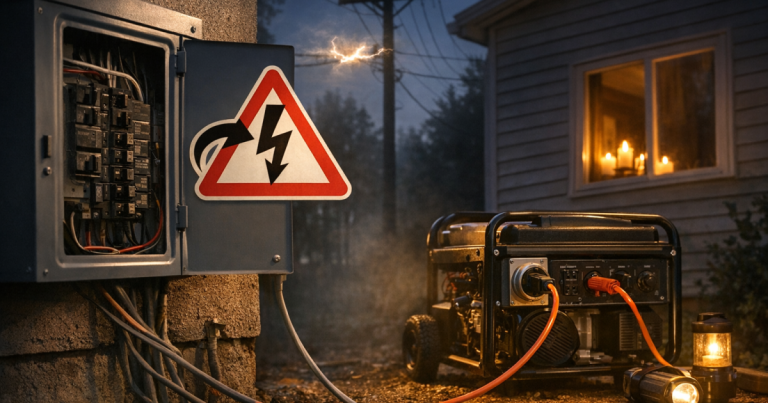
A safe outage setup starts with one rule: your generator must never energize utility lines or a cord in the wrong direction.
Read article →