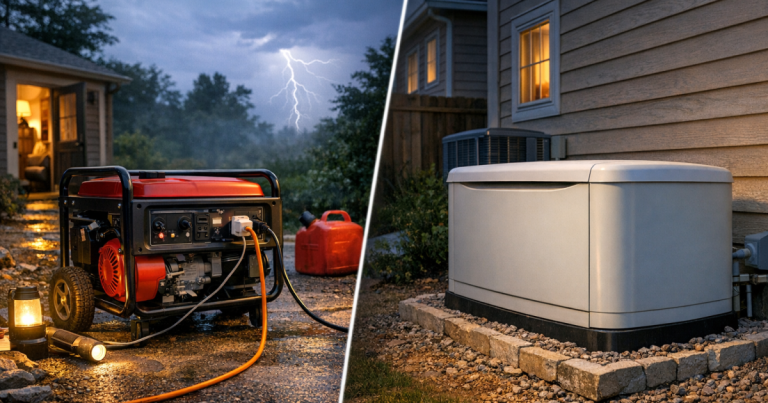
A winter outage gets serious fast when the house temperature starts dropping. The safe way to power a furnace with a portable generator is not to run a cord into the furnace cabinet, but to feed the furnace circuit through approved transfer equipment that keeps generator power separated from the utility grid.
For many US homes with a gas, propane, or oil forced-air furnace, the actual electrical load is the blower motor, controls, and ignition system. Electric furnaces and some heat pump systems are a different story: they can require far more power than a typical portable generator can provide.
Furnace transfer switches, generator inlets, interlocks, and any wiring that connects a generator to a furnace circuit should be installed by a qualified electrician to meet local electrical codes, manufacturer instructions, and applicable safety standards.
The short version
To run a furnace from a portable generator, you need four things to line up: the right furnace type, enough generator capacity for starting and running load, a safe transfer method, and strict outdoor generator operation. If one of those pieces is wrong, the furnace may not start, the generator may overload, or the setup may become dangerous.
- Gas, propane, and oil forced-air furnaces: Often possible to support because the generator is mainly powering the blower and electronics, not creating the heat.
- Electric furnaces: Usually impractical for small and midsize portable generators because resistance heat draws heavy current.
- Heat pumps: Possible only with careful load review, especially if backup electric heat strips are involved.
- Hardwired furnaces: Need a transfer switch, interlock, generator inlet, or furnace-specific transfer setup installed correctly.
- Generator location: Always outdoors, away from doors, windows, vents, garages, and crawlspace openings.
Step 1: Identify what kind of heating system you have
Start at the furnace, not at the generator. The label on the unit, your thermostat settings, and your breaker panel can tell you what kind of system you are dealing with.
A standard forced-air gas furnace uses fuel for heat and electricity for the blower, igniter, control board, safety switches, and sometimes a condensate pump. That is the most common situation where a portable generator may be useful.
An oil furnace is similar in concept, but it may also have a burner motor and other controls that affect startup load. A propane furnace may look almost identical to a natural gas furnace from the electrical side, but you still need to check the equipment label and manual.
An electric furnace is different because electricity is the heat source. If your breaker panel shows large furnace breakers, or the equipment label lists a high amp draw, a portable generator that can run lights, a refrigerator, and a gas furnace blower may not be enough. In that case, planning around heated rooms, safe supplemental heat, or a permanently installed backup system may be more realistic.
If you need broader context on generator types and home backup roles, the home backup generator guide explains portable, inverter, standby, and larger fuel-based options in plain English.
Step 2: Find the furnace electrical load
Look for the furnace nameplate or installation manual. You are trying to find voltage, amperage, and any notes about motor load. In many US homes, a gas furnace circuit is 120 volts, but do not assume that without checking.
The basic watt estimate is simple: volts multiplied by amps equals watts. A 120-volt load drawing 6 amps would be about 720 running watts. That is only a rough planning number because motors can draw more for a short moment when starting. Some furnaces also have accessories, such as a condensate pump, humidifier, electronic air cleaner, or smart thermostat equipment, that may add load or create startup quirks.
Do not size the generator only around the furnace’s steady running wattage. A blower motor needs starting headroom. If the generator is already carrying a refrigerator, sump pump, router, lights, and battery chargers, the furnace startup surge may push it over the edge.
Step 3: Decide what else the generator must carry
Heat matters, but it is rarely the only winter-outage load. Most households also want the refrigerator, freezer, a few lights, phone charging, internet equipment, or a sump pump. The more items you add, the more careful you need to be with sequencing and total load.
A practical plan is to group loads into three tiers:
- Critical: Furnace blower, sump pump if flooding is a risk, medical devices, and essential phone charging.
- Important: Refrigerator, freezer, basic lighting, router, and laptop charging.
- Optional: Microwave, coffee maker, entertainment devices, extra room heaters, and laundry equipment.
Portable generators are often most successful when they run a small group of essentials instead of trying to imitate normal grid power. If you are still deciding what belongs on the emergency list, use this walkthrough on which devices matter in a blackout before committing to a generator setup.
Step 4: Use a safe connection method
Most furnaces are hardwired, which means they are connected directly to a household circuit rather than plugged into a normal wall outlet. That is why the connection method matters so much.
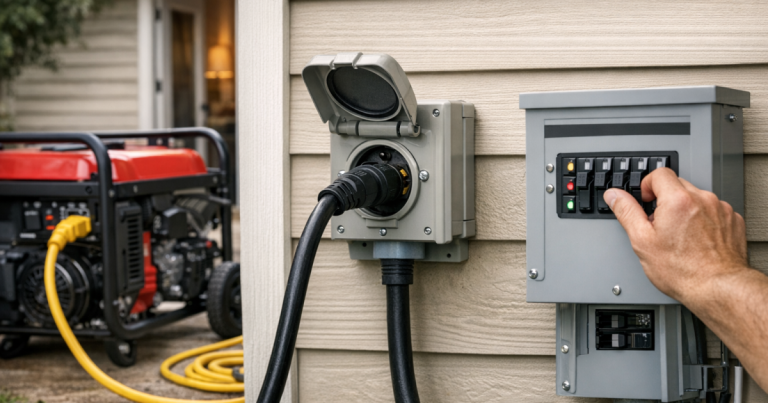
Common safe approaches include a manual transfer switch that includes the furnace circuit, a properly installed panel interlock with a generator inlet, or a furnace-specific transfer switch designed for this kind of use. The point is the same in each case: generator power must not backfeed the utility lines, and the furnace circuit must be controlled in a way that is clear and code-compliant.
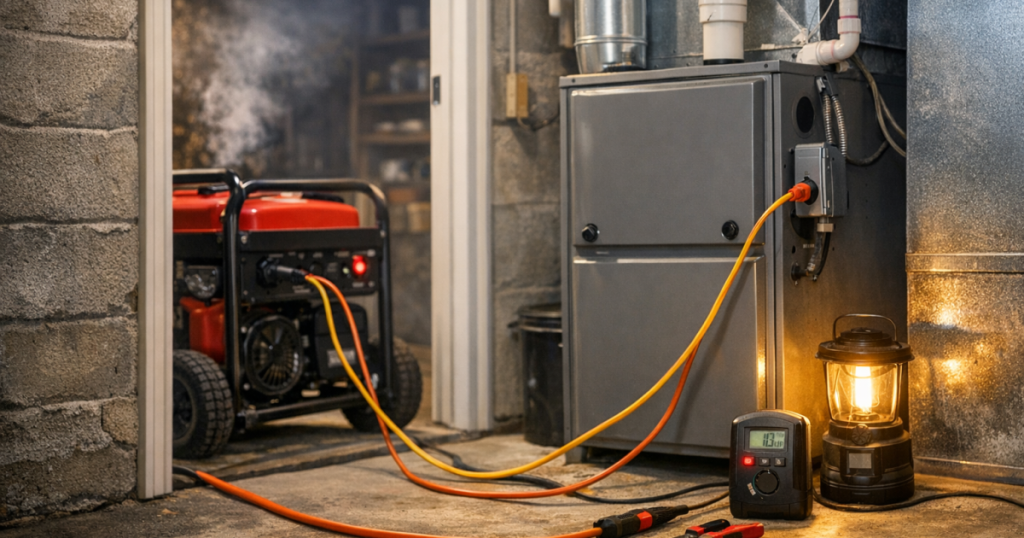
Do not use a homemade cord with two male ends, do not backfeed through a dryer outlet, and do not bypass the furnace disconnect or safety controls. Those shortcuts can endanger utility workers, damage equipment, and create shock or fire hazards.
If your furnace has a factory-installed plug and receptacle arrangement, ask an electrician how that circuit should be handled for backup use. A plug on or near the furnace does not automatically mean it is safe to unplug the furnace and run it from an extension cord during an outage.
Step 5: Place and run the generator correctly
A portable generator must run outdoors in open air. Not in the garage with the door open. Not on a porch. Not in a basement, shed, crawlspace, breezeway, or under an open window. Carbon monoxide can move in ways that are hard to predict, especially in cold weather when windows are closed and air pressure changes around the house.
As a practical baseline, place the generator at least 20 feet from doors, windows, vents, and other openings, with the exhaust pointed away from the home and nearby homes. Follow the generator manufacturer’s placement instructions and keep working carbon monoxide alarms on every level of the house and near sleeping areas.
Use outdoor-rated cords between the generator and inlet when your setup requires a cord, and make sure the cord rating matches the generator outlet and transfer equipment. Keep cords out of standing water, snowmelt, and trip paths. Shut the generator down and let it cool before refueling.
Step 6: Start loads in the right order
Once the generator is positioned, fueled, and connected through the approved transfer setup, start with the generator running unloaded. Then bring on loads gradually.
- Start the generator and let it stabilize according to the manual.
- Turn on the furnace circuit through the transfer equipment.
- Let the furnace complete a heating cycle if the thermostat is calling for heat.
- Add other loads one at a time, watching for generator strain, breaker trips, lights dimming, or furnace error codes.
- Avoid starting the refrigerator, sump pump, microwave, and furnace blower at the same moment if you can control the timing.
If the furnace shuts down, flashes an error, or repeatedly fails to ignite on generator power, stop and troubleshoot calmly. Some furnaces are sensitive to grounding, neutral configuration, waveform quality, or voltage stability. That is not something to guess at during a freezing night. Your electrician and HVAC technician can help confirm whether the generator output and connection method are compatible with the furnace controls.
Step 7: Estimate runtime before the storm
Generator runtime depends on fuel tank size, fuel type, load level, outside temperature, maintenance condition, and how often the furnace cycles. A furnace that runs constantly in very cold weather will use more generator fuel than one cycling occasionally to maintain a modest indoor temperature.
Instead of assuming a label runtime will match your house, test the setup ahead of time. Run the furnace through a normal cycle, add your planned essentials, and note how the generator behaves. Then build a fuel plan that respects safe storage rules for gasoline, propane, or other approved fuels.
For a more structured way to estimate loads and hours, use the site’s guide to calculating backup power runtime. It is especially useful when you are balancing a furnace against a refrigerator, freezer, router, and charging needs.
Common mistakes to avoid
- Buying only by peak watts: Peak output is temporary. Pay attention to continuous running watts and realistic load combinations.
- Forgetting startup surge: Motors and compressors can briefly pull more than their running load.
- Assuming all furnaces are the same: Gas, oil, propane, electric, and heat pump systems have very different electrical needs.
- Skipping the transfer method: A hardwired furnace needs a safe, approved way to receive generator power.
- Running the generator too close: Carbon monoxide risk is not solved by opening a garage door or cracking a window.
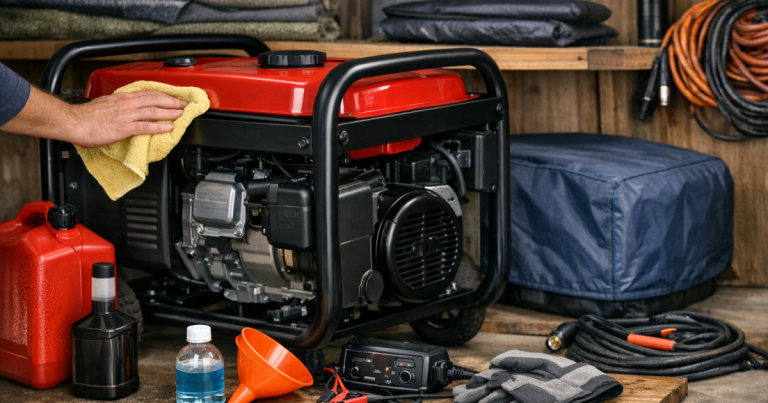
- Letting fuel get stale: Old gasoline and neglected generators are common reasons backup plans fail when needed.
Things readers ask
Can a small inverter generator run a gas furnace?
Sometimes, if the generator has enough running capacity and startup headroom for the blower and controls. Confirm the furnace load, connection method, and generator output before relying on it for winter heat.
Can I plug my furnace directly into a generator?
Most furnaces are hardwired and should not be improvised with a cord. Use transfer equipment installed for the furnace circuit, or have an electrician evaluate the exact setup.
Will a portable generator run an electric furnace?
Usually not unless the generator is large enough for the heavy electric heat load and the connection is properly installed. Many households need a different backup heat plan for electric resistance systems.
Do I need a 240-volt generator for a furnace?
Many gas furnaces use 120 volts, but some heating systems and transfer setups may require 240-volt service. Check the furnace label, breaker, manual, and electrician’s plan rather than guessing.
Should I turn the thermostat down during an outage?
Often, yes. Setting a lower but safe indoor temperature reduces furnace cycling, fuel use, and generator load. Prioritize one or two warm zones if the outage is likely to last.
The big picture
A portable generator can be a workable furnace backup for many homes with fuel-fired forced-air heat, but the safe setup is planned before the outage. Identify the furnace type, confirm the electrical load, install the right transfer method, keep the generator outdoors, and test the whole sequence while the grid is still on.
The goal is not to run the house exactly as normal. The goal is to keep the home safe, the pipes protected, and the people inside warm enough until utility power returns.